Freedom of Conscience Act of 2003
Legislative Activity
Stay on top of the latest movement without scrolling through every action
Referred to the Subcommittee on Health, for a period to be subsequently determined by the Chairman.
April 10, 2003
View full timeline
Introduced in House
April 1, 2003
Referred to the Committee on International Relations, and in addition to the Committee on Energy and Commerce, for a period to be subsequently determined by the Speaker, in each case for consideration of such provisions as fall within the jurisdiction of the committee concerned.
April 1, 2003
Referred to the Subcommittee on Health, for a period to be subsequently determined by the Chairman.
April 10, 2003
Floor Debate
24 membersWhat members said about H.R. 1548 on the floor
 TL
TL BL
BL HJH
HJH SB
SB WJ(+19
Floor Debate
24 membersWhat members said about H.R. 1548 on the floor
Mr. Chairman, I yield myself such time as I may consume. I rise in strong support of this grand humanitarian legislation, and I urge all of my colleagues to make history today by securing its…
Mr. Chairman, I yield myself such time as I may consume.
I rise in strong support of this grand humanitarian legislation, and I urge all of my colleagues to make history today by securing its passage.
Mr. Chairman, we could not have reached this day had it not been for the heroic efforts of the gentleman from Illinois (Mr. Hyde), my distinguished chairman and good friend. His leadership on this issue has been a true profile in courage, and I salute him. I also want to identify myself with his powerful and eloquent opening statement. Our colleagues on the Committee on International Relations, the gentlewoman from California (Ms. Lee) and the gentleman from Iowa (Mr. Leach) on the Republican side, have also been critically instrumental to our success thus far as have many other members of the committee. With the support of every single Democrat and most Republicans on the Committee on International Relations, we have crafted a bipartisan piece of legislation worthy of this body's support.
Mr. Chairman, the $15 billion authorized in this legislation to combat HIV/AIDS, tuberculosis and malaria worldwide is an enormous sum by any measure. It is five times the amount we considered authorizing for this cause just last year. For those of us who have long called for a real commitment of resources to address the HIV/AIDS crisis, our day has arrived. As impressive as these amounts are, they are no more than the crisis demands. Every day AIDS claims the lives of thousands of innocent men, women, and, yes, children, old and young, sick and able- bodied, destitute and affluent, unemployed and professional, African, Asian, and American. This disease, Mr. Chairman, does not discriminate. It targets us all; and in doing so, it ruins families, decimates communities, and fuels the violence and bloodshed that destroys whole nations. The political, economic, social, and humanitarian impact of this scourge cannot be contained to one region or to one population. It is a
global human challenge that demands a global humanitarian response with the United States in the lead.
The tragic history of this disease has shown that there are no silver bullets. We must use every means at our disposal to defeat it. All legislation builds to a significant extent upon Uganda's success in curbing the spread of AIDS through a combination of abstinence, monogamy, and condom use. In lending his support to this bill earlier this week, President Bush endorsed this three-pronged approach. In the President's words, preventing spread of HIV/AIDS requires a strategy emphasizing abstinence, marital fidelity, as well as condoms. Each element is crucial. Uganda's success in combating HIV/AIDS required not only abstinence and marital fidelity education programs but the distribution of nearly 80 million condoms per year. Countless lives will be lost if we fail to learn this lesson and undermine the balanced approach exquisitely negotiated and embodied in this bill.
Mr. Chairman, in the his State of the Union address earlier this year, the President issued a challenge to Congress to join him in a new global campaign to combat HIV/AIDS. Today we take up the President's challenge and seek to fully fund this bold initiative. An overwhelming vote by the House of Representatives today to pass H.R. 1298 without crippling amendments will bring the President's vision, a vision most of us share, close to reality. The time for words has passed and the time for action has arrived in our struggle against HIV/AIDS. I urge my colleagues to join me today to pass this historic legislation.
Mr. Chairman, I reserve the balance of my time.
Mr. Chairman, I yield myself such time as I may consume.
Before yielding to our distinguished whip, let me also underscore the important contribution to the fight against HIV/AIDS of Bono who has worked with us on all aspects of this problem and whose leadership worldwide is deeply appreciated by all of us concerned with this issue.
Mr. Chairman, I yield 3 minutes to the gentleman from Maryland (Mr. Hoyer), the distinguished Democratic whip, a leader on this and all issues in this body.
Mr. Chairman, I am delighted to yield 5 minutes to my good friend, the distinguished gentlewoman from California (Ms. Lee), who has brought boundless energy and bold passion to this legislation. She has been the leader on our side on this entire matter.
Mr. Chairman, before yielding to our next speaker, I want to express my deep appreciation to several members of our staff. Pearl Alice Marsh, David Abramowitz, Peter Yeo, Bob King, and on the staff of the gentlewoman from California (Ms. Lee), Christos Tsentas. They have done an outstanding job in bringing this legislation to the floor.
Mr. Chairman, I am delighted to yield 1 minute to my good friend, the gentleman from New York (Mr. Crowley), a distinguished member of the Committee on International Relations and a leader on this issue.
Mr. Chairman, I am delighted to yield 1\1/2\ minutes to the distinguished gentleman from New Jersey (Mr. Payne), the ranking member of the Subcommittee on Africa of the Committee on International Relations, my good friend who has been one of the strongest leaders on this whole issue in the Congress.
Mr. Chairman, I am delighted to yield 1 minute to my good friend, the gentleman from Pennsylvania (Mr. Hoeffel), a distinguished member of the Committee on International Relations and a strong leader on this and on so many other issues.
Mr. Chairman, I am very pleased to yield 1 minute to my good friend and distinguished colleague, the gentlewoman from California (Mrs. Capps).
Mr. Chairman, I am delighted to yield 1\1/2\ minutes to my good friend, the gentlewoman from New York (Mrs. Lowey), the distinguished ranking member of the Subcommittee on Foreign Operations, Export Financing and Related Programs.
Mr. Chairman, I am very pleased to yield 1 minute to my good friend and distinguished colleague, the gentlewoman from Minnesota (Ms. McCollum), a member of the Committee on International Relations.
Mr. Chairman, I am delighted to yield 1 minute to my good colleague, the gentlewoman from California (Ms. Waters), a distinguished Member of this body and a leader on this issue.
Mr. Chairman, I am very pleased to yield 1\1/2\ minutes to my good friend and distinguished colleague, the gentleman from New York (Mr. Engel), a valued member of the Committee on International Relations.
Mr. Chairman, I am delighted to yield 1 minute to my good friend, the gentlewoman from New York (Mrs. Maloney), a distinguished Member of this body.
Mr. Chairman, I yield 1 minute to my good friend, the gentleman from Ohio (Mr. Brown), a distinguished member of the Committee on International Relations, our ranking member on the Subcommittee on Health.
Mr. Chairman, I yield 1 minute to my good friend, the gentleman from Massachusetts (Mr. Olver), a distinguished member of the Committee on Appropriations.
Mr. Chairman, I yield myself such time as I may consume.
Mr. Chairman, this is a historic moment in dealing with global humanitarian legislation. What we were doing today on a bipartisan basis will save the lives of tens of millions of innocent people across the globe. We are doing it on a bipartisan basis with the typical generosity and humanitarian instincts of the American people.
This is legislation we must all be proud of. It should pass with an overwhelming majority. We are supportive of the legislation. We are grateful for the President's support and we fully anticipate that lives around the globe will be improved as a result of our efforts.
Mr. Chairman, I yield back the balance of our time.
Mr. Chairman, I rise to claim the time in opposition.
Mr. Chairman, I yield myself such time as I may consume.
Mr. Chairman, I want to thank my good friend from Louisiana (Mr. Tauzin) and my good friend from Ohio (Mr. Brown) for their thoughtful contribution to our legislation. Their amendment includes a number of complex initiatives, many of which reflect improvements to the bill. For example, I believe that the amendment's efforts to explicitly prioritize U.S. programs authorized by this Act to countries based on the size and demographics of the HIV/AIDS populations and the needs of those populations is a wise measure.
I am concerned about several other provisions in the amendment. For example, the limitation on administrative expenditures of the Global Fund is well meaning, but when the fund may be going through a massive expansion of operations, there may be a need for some significant investments to make sure that the Global Fund can properly administer its programs.
I was pleased that the sponsors added a waiver, and I believe that the President should consider the actual operations of the fund as he applies this provision.
Finally, Mr. Chairman, I remain concerned regarding the provision requiring numerous reports to be provided to Congress within 30 days of the request. I am uncertain whether any Member could make this request or whether it must be a relevant committee or by resolution. Moreover, my experience with international organizations is that some of the documents may be considered confidential, such as unfunded proposals, and it may not be possible to get these documents within the time frame provided in the amendments. Nevertheless, Mr. Chairman, I am prepared to accept the amendment, and I look forward to working with the sponsors to clarify and further refine these provisions.
Mr. Chairman, I ask unanimous consent to yield the balance of my time to my friend, the gentleman from Ohio (Mr. Brown) for the purposes of controlling time.
Mr. Chairman, will the gentleman yield?
Mr. Chairman, I strongly support this amendment introduced by the gentleman from New York (Mr. Crowley).
There is no question that the HIV/AIDS pandemic is disproportionately affecting women and compounding the egregious inequalities poor women live with all over the world. It is absolutely necessary that we deal with both genders if we are to reduce the impact of this disease on women's life and offer them opportunities to live with respect and dignity, free from sexual violence and coercion.
The Crowley amendment requires that we include in the 5-year strategy a plan to make sure that men take responsibility for their sexual behavior and that they do respect women. It will also increase opportunities for women seeking access to employment. I urge Members to support this amendment.
Mr. Chairman, will the gentlewoman yield?
Mr. Chairman, we are in complete agreement with the gentlewoman on the value of the Global Fund and on the importance of private contributions to the fund. Contributions from the Gates Foundation and others significantly enhance the functioning of the fund, and we agree that the President should do even more to encourage private donations here.
I am not aware of any objections to the gentlewoman's amendment on this side of the aisle. We would be pleased to accept it. I commend the gentlewoman from Illinois (Mrs. Biggert) for her important initiative.
Mr. Chairman, we expect the Global Fund to recruit and hire the most competent and competitive international experts to manage this very complex organization.
I feel strongly that exorbitant executive salaries would only go to undermine the credibility of the organization. There are lots of skeptics who oppose the Global Fund and wish it to fail. These naysayers are looking for any means to discredit the work of the Global Fund. It is very important that the Global Fund salaries should be realistic and competitive and attract the most competent professionals in the world, but they should not be set at levels that would undermine the credibility of the good work that we hope to accomplish.
I urge my colleagues to support my friend's amendment.
Mr. Chairman, I yield back the balance of my time.
Mr. Chairman, I strongly support the amendment introduced by the gentleman from North Carolina (Mr. Ballance), and I want to commend him for his initiative. We think this is a significant improvement to the underlying bill. We have no objections, and we strongly support it.
Mr. Chairman, I offer an amendment as the designee of the gentlewoman from California (Ms. Millender-McDonald).
Mr. Chairman, I yield myself such time as I may consume.
Mr. Chairman, the amendment offered by the gentlewoman from California (Ms. Millender-McDonald), my good friend and colleague, deals with a very important issue. The HIV/AIDS pandemic has had a frightening impact on women, particularly in Africa where 55 percent of all HIV/AIDS victims are women. Unequal inheritance rights all over the world, but particularly in Africa, favor men over women. Poor women are abandoned because of their HIV/AIDS status, widowed by the premature death of a husband, or left as orphans by the death of parents. Left with nothing but their desperation, these women and girls are exploited by sex traffickers, pimps, and abusive employers.
Mr. Chairman, it is crucial that programs funded by this emergency program include the promotion and protection of women's inheritance rights, but we should not stop there. Women's equal rights across the board are absolutely essential to overcoming the poverty that underpins the seeming hopelessness of this disease.
Mr. Chairman, I urge all of my colleagues to support this amendment.
I yield to the gentleman from Illinois.
Mr. Chairman, we have no further requests for time, and we yield back the balance of our time.
Mr. Chairman, I want to congratulate and commend my friend from Minnesota for offering this most important amendment, which dramatically improves the underlying bill. On this side we are proud and pleased to accept her amendment.
Mr. Chairman. Let me first thank our ranking member, the gentleman from California (Mr. Lantos), for those very kind and generous remarks, and let me thank the gentleman for his leadership in helping…
Mr. Chairman. Let me first thank our ranking member, the gentleman from California (Mr. Lantos), for those very kind and generous remarks, and let me thank the gentleman for his leadership in helping to ensure that our Democrats really saw the goal and understood our mission and helped to work to make sure that this was a bipartisan bill.
I want to thank the gentleman from Illinois (Chairman Hyde) for his leadership, and for, again, I think, setting an example that on issues of common concern and where the survival of the human family is at stake, we all can come together and agree that we should work together.
I also want to thank our staffs, especially Christos on my staff, and Pearl Alice, Peter and the entire committee staff, for their very diligent, competent and dedicated work.
Mr. Chairman, today we really do stand at the crossroads in this global battle gains HIV/AIDS. With an estimated 42 million individuals infected worldwide, the disease has already devastated the African continent, where 30 million people, 30 million, are currently living with AIDS and over 11 million children have been orphaned by this pandemic.
Throughout Africa, AIDS has had a devastating impact, not only on health, but on education, agriculture, the economy, the military, on governments, as people at all levels of society have struggled to cope with this disease.
Even now, the ongoing famine in Sub-Saharan Africa has been aggravated by the AIDS crisis. Food Insecurity and malnutrition have contributed to the spread of the virus, and both have sped up the onset of AIDS in HIV-infected individuals.
The Caribbean, which is ranked as the second most affected region behind Africa, is also facing a devastating situation because of AIDS. In Haiti, where over 90 percent of all AIDS cases in the Caribbean are, Haiti has the unfortunate distinction of being the only country outside of Africa with an adult prevalence rate of over 6.5 percent.
Despite the devastation that HIV and AIDS has caused within Africa and the Caribbean, the disease is truly a global killer. Even here at home, in my own district in Alameda County, we have been forced to declare a state of emergency to deal with the AIDS crisis. Now the disease is poised to run rampant through India, China and Russia, where a lack of information is contributing to the spread of the disease among poor and rural populations.
So without a truly global effort to halt the spread of this disease, to provide care and treatment to those who are infected and affected by HIV and AIDS, we will all face a humanitarian disaster, the likes of which the world has never seen before.
But there is hope. We have the know-how to stop the spread of HIV, and we have the drugs to prolong the lives of those infected with AIDS. The challenge is how we translate this know-how and these resources to people living in the developing world.
Yet even in a country as poor as Haiti, there are already programs on the ground that are making a difference with minimal resources, like the Zanmi Lasante Clinic, run by Dr. Paul Farmer and the dedicated people at Partners in Health.
And we also know from the indication of Uganda that when a country unites in the battle against AIDS, through the leadership, through its president, members of the government and civil society, and when everyone really engages in open dialogue about sex and AIDS, the need for abstinence, faithfulness and safe sex through the use of condoms, the HIV/AIDS rate can be reversed. In this case, it came down from 15 percent in 1991 to 5 percent 10 years later. But it took all three strategies. No preference is given to one over the other.
This bill we have before us today really recognizes these possibilities. But, more importantly, it sends a message to the world that the United States will not sit idly by and allow AIDS to wreak havoc on the human family.
By committing $3 billion a year to fighting global HIV/AIDS and the two largest opportunistic infections that feed off of AIDS, tuberculosis and malaria, we will virtually double our global AIDS budget in the next year.
Several years ago when we won a $40 million increase in global AIDS spending in 2000 under the leadership of our distinguished minority leader, the gentlewoman from California (Ms. Pelosi), we felt that that was a major victory and a major accomplishment. This legislation now puts those living with
AIDS and those at greatest risk of getting infected ahead of ideological and political differences, and that is why the Pitts amendment does such a disservice to the bill and to those who desperately need our help. This bill attempts to create a comprehensive strategy to deal with the AIDS pandemic. Comprehensive.
Finally, let me just say how important it is that this be new money. The President said that this was new money. We must make sure that this is new money. We face many challenges as this bill moves forward, but we hope that the President will receive the bill on his desk intact and sign it before Memorial Day, as he said he wanted to do.
Mr. Chairman I want to thank again the chairman of our committee and the gentleman from California (Mr. Lantos) for their leadership, and once again hope that we can pass this bill intact, as it moved out of committee.
Mr. Chairman, I thank the gentleman from Ohio (Mr. Brown) for yielding me this time and for his leadership. Also I want to thank the gentleman from Louisiana (Mr. Tauzin) for this amendment, and with the cautions which our ranking member laid out, I rise in support of this amendment.
I would like to just briefly mention the history and our debate here in Congress with regard to the background of this Global Fund. The idea for the Global Fund really started back somewhere around 1998 and 1999, when my friend and former colleague, Congressman Ron Dellums, had the vision and the foresight for an AIDS Marshall Plan in Africa. Refined under the leadership of our good friend, the gentleman from Iowa (Mr. Leach), who was then Chair of the Committee on Banking and Financial Services, we introduced the World Bank AIDS Trust Fund, and this fund became the basis for the Global Fund. This fund was signed into law in, I believe it was August of 2000, under the Global AIDS and Tuberculosis Relief Act of 2000, signed by President Bill Clinton.
I cite this history because I think it is important for us to remember how important this fund is and that we fully debated this fund, and on a bipartisan basis voted it out and it was signed into law. So I think this amendment really strengthens the fund and its accountability.
The United Nations, in I believe it was June 2001, picked up the idea of the fund, and Secretary General Kofi Annan made an impassioned plea for the creation of a Global Fund to fight AIDS, TB, and malaria, which again moved forward the World Bank AIDS Trust Fund, in terms of the foundation, the parameters and the guidelines. So this fund was established in 2002 and really has made significant strides in over just a year of operation. Not only has it created a novel approach to grant-making and approval-processing, but it has also made really a very determined commitment to maintain as lean an operation as possible in order to focus its activities on getting money out to those in need.
The current system that the fund has set up provides several layers of accountability. On a country level, the
proposals are gathered and voted upon by an advisory body that represent government, civil society, the private sector, faith-based groups, and nongovernmental organizations. Proposals that are submitted to the Global Fund then undergo a technical review from an independent body composed of leading global health experts. And now our own Secretary of Health and Human Services Tommy Thompson is leading this effort.
So I believe this amendment will help further strengthen the Global Fund system of accountability, and I encourage Members to vote for its inclusion. And also, with regard to the comments of the gentleman from California (Mr. Lantos), I hope we can move forward, as he has so eloquently outlined, and fix what he thinks needs to be fixed in it.
Mr. Chairman, I thank the gentleman from New York (Mr. Crowley) for yielding me this time, and
thank the gentleman for this amendment. It is very important to this bill. I thank the gentleman from Illinois (Chairman Hyde) for accepting the amendment.
The empowerment of women is critical in developing an AIDS strategy that is effective. In many parts of the developing world, women are still treated as second-class citizens. They lack basic protections of civil rights laws in their own country, and oftentimes are left at a disadvantage when it comes to accessing resources, owning land and in their general relationships to men.
The Crowley amendment would fix this by encouraging men to develop a healthy relationship that treats women with respect. That is so important as we address this pandemic. In addition, it supports the development of specific strategies to increase women's access to employment, land and financial resources like microfinance programs that, in many instances, have encouraged women to set up their own small businesses and avoid having to turn to a life of prostitution in order to make ends meet.
I urge Members to thank the gentleman from New York (Mr. Crowley) for his wisdom in moving forward with this amendment. I thank the gentleman from Illinois (Mr. Hyde) for accepting this very important amendment.
Mr. Chairman, will the gentlewoman yield?
Mr. Chairman, I want to thank the gentlewoman from Illinois (Mrs. Biggert) for this amendment. I think it strengthens the bill. It strengthens the fund.
One point I would like to make about the Global Fund which has been mentioned is the leveraging ability of the fund. $1 billion could leverage up to $4 to $5 billion. It has been estimated that $9 to $10 billion is needed just to begin to scratch the surface on this pandemic. The importance of the fund cannot be overstated, and I thank the gentlewoman for this amendment. Now
that Secretary Tommy Thompson is chair of the executive board, both sides should feel confident that he will move forward. And once we insist that our side put $1 billion in, at least we know that should lead to $4 to $5 billion immediately. I offer my support of the amendment.
Mr. Chairman, I yield myself such time as I may consume. Mr. Chairman, not since the bubonic plague swept across the world in the last millennium killing more than 250 million people has our world…
Mr. Chairman, I yield myself such time as I may consume.
Mr. Chairman, not since the bubonic plague swept across the world in the last millennium killing more than 250 million people has our world confronted such a horrible, unspeakable curse as we are now witnessing with the growing HIV/AIDS pandemic.
In the very short time that we will spend today considering this legislation, thousands of people around the world will die of HIV/AIDS. The number of dead or dying is grotesquely high: 25 million already dead worldwide and growing at the rate of 8,500 every day, with the horror of entire villages populated only by orphans because the adults are dead or dying from AIDS.
I do not mean to demean the work of this House, but so much of what we do is really unimportant and trivial; but not today. Today we have an opportunity, the opportunity to do something significant and of lasting importance. Today we have an obligation, the obligation to do something reflecting our commitment to human solidarity. We have a privilege today, the privilege of doing something truly compassionate.
It is no exaggeration to compare the AIDS pandemic in Africa to the bubonic plague in medieval Europe. This plague took one-third of Europe's entire population, creating political chaos and set the course of civilization back for decades, perhaps centuries. AIDS in Africa is well on its way to doing something terribly similar, and similarly terrible. Tuesday's Wall Street Journal tells us 42 million people are infected with HIV/AIDS, 30 million in sub-Saharan Africa alone.
Today we need to consider H.R. 1298, the United States Leadership Against HIV/AIDS, Tuberculosis, and Malaria Act of 2003. We would not be here today with this bill, that I think is an excellent one, without the sincere and heartfelt and invaluable assistance of the gentleman from California (Mr. Lantos), which makes this a truly bipartisan effort.
This legislation authorizes the President's 5-year $15 billion emergency plan for treatment and prevention of AIDS in those countries already facing crisis. The legislation creates a more responsive, coordinated, and effective approach among the various agencies of the U.S. Government involved in this global fight. The legislation promotes an approach that provides funds for antiretroviral therapy for more than 2 million people living with HIV. It encourages a strategy that extends palliative care for people living with AIDS. It supports efforts to find vaccines for HIV/AIDS and malaria. It emphasizes the need to keep families together with particular focus on the assistance needs of children and young people with HIV. It endorses prevention programs that stress sexual abstinence and monogamy as a first line of defense against the spread of this disease and contributes to multilateral initiatives that leverage the funds of other donor nations.
The HIV/AIDS pandemic is more than a humanitarian crisis. Increasingly, it is a threat to the security of the developed world. Left unchecked, this plague will further rip the fabric of developing societies, pushing fragile governments and economies to the point of collapse. So to those who suggest the U.S. has no stake in this pandemic, let me observe that the specter of failed states across the world certainly is our concern.
Africa is a central concern. Today radical Islam is spreading in several African countries, especially Nigeria. This threatens to undercut democracy and make Nigeria a failed state. It is in our interest to counter this movement by doing what we can to build democracy and a growing economy in Nigeria and elsewhere. The spread of HIV/AIDS frustrates this important mission. We also have a strong interest in seeing the development of professional African militaries, militaries capable of maintaining stability in their country, but also capable of contributing to peacekeeping operations elsewhere in Africa. Yet an examination of the HIV/AIDS rates among the armed forces of key African countries, including Nigeria, South Africa, and Kenya, reveals infection rates between 30 and 40 percent. HIV/AIDS is a national security issue for those countries and for us.
The President's proposal is based on America's deep conviction about the dignity of every human life, and these proposed remedies for the AIDS crisis in Africa recognize that human dignity. In adopting this proposal, we show the world that conviction and compassion go together as we demonstrate that compassion is not a sign of weakness but of strength. America does not have to take on the African AIDS crisis alone; but as is often the case, American leadership, political or financial, is necessary if our friends around the world are to bear their fair share of the burden. That is what the President's proposal does. It sets a pattern of American leadership that others we believe will follow.
This bill is a compromise, a delicately arrived at, painstakingly negotiated compromise between various factions interested in this legislation; but it hangs together, and it works and it will advance the cause that we so desperately need to support. AIDS is a mortal challenge to our civilization. Let us today be animated by compassion and, yes, vision that always have defined what it means to be an American.
Mr. Chairman, I reserve the balance of my time.
Mr. Chairman, I yield 3 minutes to the distinguished gentleman from Iowa (Mr. Leach).
Mr. Chairman, I am very pleased to yield 5 minutes to the distinguished gentleman from Florida (Mr. Weldon) who, as an original cosponsor of this legislation, has made an invaluable contribution.
Mr. Chairman, I am pleased to yield 3 minutes to the learned gentleman from Wisconsin (Mr. Green).
Mr. Chairman, I am pleased to yield 3 minutes to the gentleman from Michigan (Mr. McCotter).
Mr. Chairman, I am pleased to yield 3 minutes to the distinguished gentleman from Delaware (Mr. Castle).
Mr. Chairman, I am pleased to yield 2 minutes to the gentleman from Iowa (Mr. King).
Mr. Chairman, I am pleased to yield 3 minutes to the distinguished gentleman from Arizona (Mr. Kolbe).
Mr. Chairman, I yield 1 minute to the distinguished gentleman from Indiana (Mr. Pence) for the purposes of a colloquy.
Mr. Chairman, will the gentleman yield?
The gentleman is correct. Nothing this in this legislation should suggest that it is United States' policy that abortion is a proper and appropriate method for prevention of or treatment of mother to child transmission of HIV/AIDS.
Mr. Chairman, I yield the balance of our time to the distinguished gentlewoman from Florida (Ms. Harris).
(Ms. HARRIS asked and was given permission to revise and extend her remarks.)
Mr. Chairman, I yield back the balance of my time.
Mr. Chairman, I am pleased to say we are very pleased with this amendment. We are happy to accept it. It adds to the bill, and so I will not repeat what the other people have already said in outlining its terms. But it is a good amendment, and we hope everyone accepts it.
Mr. Chairman, I claim the time in opposition; however, I do not oppose the amendment.
Mr. Chairman, I yield myself such time as I may consume.
This is a good amendment, a thoughtful amendment. It adds to the bill, so we are pleased to accept this amendment.
Mr. Chairman, I yield back the balance of my time.
Mr. Chairman, will the gentlewoman yield?
Mr. Chairman, we certainly accept the amendment. It is an excellent addition to the bill, and congratulate the gentlewoman from Illinois (Mrs. Biggert).
Mr. Chairman, we are prepared to accept the amendment.
Mr. Chairman, I am delighted to associate myself with the remarks of the distinguished gentleman from California (Mr. Lantos). This is an excellent amendment, and I urge all our colleagues to support it.
Mr. Chairman, I thank the gentleman for yielding. I am pleased to say that the majority accepts the amendment. It is an excellent addition to what I think is an excellent bill. So we are pleased to accept it.
Mr. Chairman, the children and orphans who are affected by this scourge could have no better champion than the gentlewoman from Minnesota, and we are very pleased to accept her excellent amendment.
Mr. Chairman, I move that the Committee do now rise.
Mr. Chairman, I thank the gentleman from California (Mr. Lantos) for his leadership. The Global Fund to fight AIDS, TB and malaria represents the best tool we have to provide relief on a scale that…
Mr. Chairman, I thank the gentleman from California (Mr. Lantos) for his leadership.
The Global Fund to fight AIDS, TB and malaria represents the best tool we have to provide relief on a scale that matters. Some of my colleagues want to eliminate the U.S. commitment to the Global Fund. They will say it is effective when it only began disbursing funds in the past year. They will say it is a blow to bureaucracy, when, in fact, it is a model of efficiency in coordination. They will say that evidence shows that it does not work, and then fail to produce any evidence.
The Global Fund stresses accountability. Each proposal is reviewed by 22 physicians and health experts from a variety of nations. Forty percent only of the applications are accepted. Only the best are approved. Each proposal is for 5 years. After 2 years a major audit of the program is done. If it is not effective funding is cut off.
Both the House and the Senate supported its creation unanimously. It is transparent. The Global Funds Web site contains downloads of every single country's proposal that is approved.
Fifty million people in the last 25 years have died of malaria, tuberculosis and AIDS, 50 million people. The Global Fund will help history's worst epidemic.
Mr. Chairman, I yield myself 5 minutes.
Mr. Chairman, I rise in support of the Tauzin-Brown amendment. I thank the gentleman from Louisiana (Mr. Tauzin) for his good faith and bipartisan work in drafting this amendment, especially his staff, Patrick Ronan, for his hard work and others on his staff.
The Committee on Energy and Commerce has jurisdiction over agencies that play a pivotal role in successful efforts to reduce the spread of HIV/AIDS, TB, and malaria in our country and worldwide. Some of the world's most promising research and best treatment on these diseases are carried out by agencies within the Department of Health and Human Services. CDC provides technical and scientific support for international agencies like USAID as well as national infectious disease programs in developing countries, in addition to the work that NIH and other agencies do.
Secretary Thompson is the newly appointed chairman of the Global Fund to fight AIDS, TB, and malaria, the best tool this world has to fight three diseases that kill 6 million people every year. The success of this bipartisan Global AIDS Initiative depends on collaboration of the world's most important and best resources. One of the reasons why the Global Fund is such a critical component of the U.S. Global AIDS Initiative and a crucial part of the bill we are considering today, is it recognizes the need to fight tuberculosis, a lesser known infectious disease that has been around longer and kills 2 million people a year, including 1,100 people every day in the country of India.
TB infects one-third of the world's population. Two million people carry the TB bacteria, and it is the leading killer of young women and people with HIV worldwide.
HIV and TB form a lethal combination, each speeding the other's progress. HIV promotes rapid progression of primary TB infection to active disease. It is the most powerful known risk factor for reactivation of latent TB infection to active disease. Most HIV patients, in fact, will actually die of TB before they succumb to AIDS. The intersection of AIDS and TB is like the perfect storm.
The Global Fund is a public-private partnership which draws contributions from governments, from private corporations, from faith- based organizations and foundations. The Global Fund has shown signs that it works. Government entities, in coordination with nongovernment organizations, submit 5-year plans. Each plan is unique to each country, not a one-size-fits-all that comes from Washington or Geneva or any other country. The Global Fund recognizes cultural differences. What works in Christian Uruguay may not work the same in Muslim Bangladesh.
No overriding, international political agenda is attached to the Global Fund's assistance. No litmus test, only a judgment by the Global Fund, in collaboration with local citizens and health workers of what works best for each country. The Global Fund demands results, quantifiable results. The money supports activities, including access to health care services, purchasing of drugs, training of personnel, and training of community workers. If a country fails or an NGO fails to show results within 2 years, the money is cut off.
About 60 percent of the Global Fund's money goes to HIV/AIDS, about 20 to TB, about 20 to malaria. Fighting these diseases together, which the Global Fund does, is a cost-effective approach. For example, the infrastructure created in the treatment of TB, having health workers in place who sit with patients every day for about 6 months, has been proven, that infrastructure, to help in the treatment of HIV/AIDS, of malaria and other public health issues.
If we can fully commit to the Global Fund, and fully commit means at least $1 billion every year, 2 million patients will be treated for TB, a half million AIDS orphans will receive support, and 16 million new malaria nets will be distributed over the next few years.
Access to these lifesaving treatments means children will not be pulled out of school to work or to care for a sick parent. It means an HIV-positive father in the developing world has a few more years of life to provide for his family. It means children with TB, otherwise facing a virtual death sentence, will live.
What AIDS and TB experts know, but policymakers consistently underestimate, is that preventing and treating HIV/AIDS without preventing and treating TB is a virtual death sentence for the developing world. If HIV does not kill you, TB might or malaria might. The Global Fund is the best tool in the world to address all three of these infectious diseases together.
Our investment in the Global Fund, rather than a unilateral or bilateral U.S.-waged effort, will help leverage support from other countries. Funneling U.S. dollars through U.S. programs alone will do nothing to promote a united global front against these killers. If we put in money to the Global Fund, so will other nations and so will major philanthropists.
In a short time, the Global Fund has shown it is capable of tremendous progress. In just two rounds of grants, the fund has approved 160 proposals in 94 low- income countries. With significant U.S. funding the fund will continue to support countries committed to addressing the epidemic killing their people. Without U.S. leadership, it will be a fund in name only. AIDS, TB, and malaria would remain a virtual death sentence in the developing world.
Mr. Chairman, I reserve the balance of my time.
Mr. Chairman, I yield 2\1/2\ minutes to the gentlewoman from California (Ms. Lee).
Mr. Chairman, I thank the gentleman from Michigan (Mr. Upton) for his comments, and I yield the balance of my time to the gentleman from Minnesota (Mr. Gutknecht).
Mr. Chairman, will the gentleman yield?
Mr. Chairman, I appreciate the efforts of the gentleman from Louisiana (Mr. Tauzin) and appreciate his offer. And I think the work we are doing with the gentleman from Illinois (Mr. Hyde), the gentleman from Louisiana (Mr. Tauzin), the gentleman from California (Mr. Lantos), the gentlewoman from California (Ms. Lee), and the gentleman from Iowa (Mr. Leach) today is outstanding, especially because with the Global Fund and with all of these efforts we can address all of these diseases, encourage philanthropists and other governments to contribute and make a difference in people's lives.
Mr. Chairman, I offer an amendment. Mr. Chairman, I yield myself 3 minutes. Mr. Chairman, I rise today to urge all Members of the House to support the passage of the Tauzin-Brown amendment to H.R.…
Mr. Chairman, I offer an amendment.
Mr. Chairman, I yield myself 3 minutes.
Mr. Chairman, I rise today to urge all Members of the House to support the passage of the Tauzin-Brown amendment to H.R. 1298, the United States Leadership Against HIV/AIDS, Tuberculosis, and Malaria Act of 2003. I want to commend my colleague from the Committee on Energy and Commerce, the gentleman from Ohio (Mr. Brown) for his assistance and support and advocacy of this amendment.
First, the Tauzin-Brown amendment strengthens H.R. 1298 by adding additional accountability measures to ensure that our fight against HIV/AIDS and TB and malaria has a greater chance of success. That is what we all want.
Our amendment establishes priorities to be followed by the global AIDS coordinator for the distribution of resources based on factors such as size and demographics of specific nations to ensure that the countries who need assistance the most receive it first.
Next, our amendment utilizes an independent third party to examine the success of strategies implemented by the global AIDS coordinator. The Institutes of Medicine, the IOM, will be responsible for examining the achievements of the programs funded by the global AIDS coordinator and then comparing the success rates of various methods that have been used by the coordinator.
Second, the Tauzin-Brown amendment also strengthens the existing authority and the accountability measures in H.R. 1298. Our amendment specifically states that if at any point administrative expenses within the Global Fund exceed 10 percent of total expenditures of the fund for any 2-year period, then the U.S. will withhold an equal amount from its contribution the following year. This is to ensure that this fund does not get gobbled up in bureaucrats and administrative expenses. We believe this is fair and, at the same time, will ensure that the Global Fund remains fiscally responsible to its purpose. That is, getting dollars in to actually combat AIDS, malaria, and tuberculosis in the world.
These two accountability measures represent provisions ensure our approach to this problem is not only morally responsible, it is fiscally responsible as well.
Finally, the amendment requires that the HIV/AIDS coordinator make available to Congress basic information on the Global Fund. Specifically, the coordinator is required to submit to Congress a detailed report outlining all financial and accounting statements, copies of the reports provided to the Global Fund by organizations contracted to audit recipients, and project proposals submitted by applicants and grantees. In the past we have had great difficulty getting this information from the Global Fund. We are confident the coordinator will do a wonderful job in delivering this information to Congress. I urge my colleagues to support the Tauzin-Brown amendment.
Mr. Chairman, I reserve the balance of my time.
Mr. Chairman, I am honored to yield 1 minute to the distinguished gentleman from Illinois (Mr. Hyde), the chairman of the Committee on International Relations.
Mr. Chairman, I yield 2 minutes to the gentleman from the great State of Michigan (Mr. Upton), the distinguished chairman of the Subcommittee on Telecommunications and the Internet.
Mr. Chairman, will the gentleman yield?
Mr. Chairman, the intent of the language is to study the question of the illegal diversion of drugs for improper purposes, that is, for resale and that sort of thing. We describe the purposes within that amendment. So the gentleman is accurate in his statement.
Mr. Chairman, I yield myself such time as I may consume.
I simply wanted to thank the gentleman from Ohio (Mr. Brown) and the members of the Committee on Energy and Commerce who worked on this amendment, as I said, to help coordinate the fine work done by the chairman and the gentleman from California (Mr. Lantos) on this underlying bill. This is an excellent piece of legislation. I hope we have improved it.
I will commit to the gentleman from California (Mr. Lantos) that we will continue to work with him to clarify the concerns he has. We do not want to create those problems. We are simply trying to add more accountability, not less; and more clarity, less confusion.
Finally, let me point out to the gentleman from Ohio (Mr. Brown) that it has obviously come to our committee's attention that a great deal of work is going on domestically by a number of pharmaceutical companies in testing, et cetera, in attempts to find some sort of vaccine to combat HIV/AIDS and some of these other diseases, particularly HIV/ AIDS. And when and if that discovery is made, as we all hope it is, we will be back on the floor with legislation to establish some sort of national framework for us to utilize that scientific breakthrough, when and if it does occur, in a way that humanely administers that kind of a hope and expectation of cure and prevention to all Americans without regard to the Americans' capabilities or financial capabilities to take advantage of it.
We will have to think that through, how do we make sure everybody gets to take advantage of those scientific breakthroughs when they occur. We have done some preliminary work on it; and I invite my colleague from Ohio, and others, to stay in touch with us as we move forward. As we see these breakthroughs coming, we will want to talk with the gentleman and others on the committee to see if we cannot advance legislation to make sure that every American has the advantage of those breakthroughs when they occur.
I yield to the gentleman from Ohio.
Mr. Chairman, I yield such time as he may consume to the gentleman from Texas (Mr. Green).
(Mr. GREEN of Texas asked and was given permission to revise and extend his remarks.)
Mr. Chairman, I yield myself such time as I may consume, and let me again offer my sincere thanks to the chairman and to the gentleman from California (Mr. Lantos) for accepting this legislation and urge adoption of it.
Mr. Chairman, I yield back the balance of my time.
Show 8 more
Mr. Chairman, I want to take this time to thank Chairman Hyde and Ranking Member Lantos for being the driving force behind such an important bill, H.R. 1298, United States Leadership Against…
Mr. Chairman, I want to take this time to thank Chairman Hyde and Ranking Member Lantos for being the driving force behind such an important bill, H.R. 1298, United States Leadership Against HIV/AIDS, Tuberculosis, and Malaria Act of 2003. This bill embodies true leadership on the part of the United States, dramatically increasing the U.S. participation in addressing the pandemic that is ravaging whole regions and millions upon millions of people. This unprecedented bill acknowledges our moral responsibility to address the pandemic that has already resulted in the deaths of millions. I am so proud to be a part of this legislation, this distinguished body and this country.
The bill as reported out of the International Relations Committee contains a provision of mine included in the Committee markup which my good friend, Congresswoman Napolitano, offered for me as a member of that Committee. While much attention is being paid to preventing mother-to-child transmission (MTCT) of HIV/AIDS, we must turn to addressing the needs and rights of that child to grow up with parents, so that millions more are not orphaned before he or she can even walk. My language gives priority preference for federal funds to groups that are currently administering a program with non-federal funds to: prevent mother-to-child transmission; and provide life-long care and treatment in family-centered programs so that children do not grow up as orphans.
This would benefit programs such as the MTCT-Plus Initiative, which is supported by United Nations Secretary General Kofi Annan and the First Ladies of Africa, and which has $50 million in funding from several private philanthropic foundations including the Bill and Melinda Gates, the William and Flora Hewlett, the Robert Wood Johnson and other foundations. Such family-survival programs are critical to address the issues of millions of children orphaned by HIV/AIDS on a scale unrivaled in history. In sub-Saharan Africa, family and societal structures are breaking down because of the deaths of a generation of parents. The number of children in the developing world who have been orphaned by the AIDS pandemic will nearly double from 13.4 million to 25.4 million by the end of this decade. Today, 5.5 million children in Africa have lost both parents and in most cases, at least one of them to AIDS, and that number will rise to 7.9 million by 2010. Older women are also profoundly affected since the responsibility for caring for and supporting grandchildren orphaned by AIDS infected parents often falls on the shoulders of the elderly.
Thank you again, Chairman Hyde and Ranking Member Lantos, for agreeing to include my amendment in the bill as reported, and to Congresswoman Napolitano for agreeing to offer my amendment during the Committee markup.
Mr. Chairman, my amendment today concerns Section 314 which calls for a pilot program of assistance for children and families affected by HIV/AIDS. My amendment requires that pilot program to ensure the importance of inheritance rights of women, particularly women in African countries are included in this program. The relationship of the denial of inheritance rights for women, increased HIV/AIDS infection in women and the resulting exponential growth in the numbers of young widows, orphaned girls, and grandmothers becoming heads of households needs to be further studied and documented. My amendment does just that.
My amendment is necessary because a majority of those infected by HIV/AIDS in Africa are women of all classes, ethnic groups, and levels of education. Women with AIDS are condemned to an early death when their homes, lands, and other property are taken. They not only lose assets they could use for medical care, but also the shelter they need to endure this disease.
The failure to ensure equal property and inheritance rights upon separation or divorce discourages women from leaving violent marriages. HIV risk is especially high for women in situations of domestic violence, which often involves coercive sex, diminished ability to negotiate with partners for safer sex, and impede women from seeking health information and treatment.
In some places, widows are forced to undergo sexual practices such as ``wife inheritance'' or ritual ``cleansing'' in order to keep their property. ``Wife inheritance'' occurs when a male relative of the dead husband takes over the widow as a wife, often in a polygamous environment. ``Cleansing'' usually involves sex with a social outcast who is paid by the dead husband's family, supposedly to cleanse the women of her dead husband's evil spirits. In both of these rituals, safe sex is seldom practiced and often forced. Such women are at increased risk of contracting and spreading HIV.
For example, there are areas in Kenya where the wife inheritance and cleansing practices have created an alarmingly high rate of HIV/AIDS infection. Fully 22 percent of the population between ages 15 and 49 in the Nyanza province are infected, and 35 percent of ante-natal women in one district within that province are infected. Girls and young women in the Nyanza province are infected at six times the rate of their male counterparts.
The underlying bill calls for the President to report on this pilot program, as described under Section 314(c). My amendment calls for that report to include in it a description of activities undertaken to ensure that the inheritance rights of women as just described are part of this program.
Finally, in the last Congress, Rep. Eva Clayton and I introduced H. Con. Res. 421, recognizing the importance of inheritance rights of women in Africa, and its relationship to the HIV/AIDS pandemic. I have also chaired two briefings on this issue. Our resolution was very strongly supported by this body. It had 90 original cosponsors with bipartisan support. My amendment today to the underlying bill includes the crux of H. Con. Res. 421.
Thank you so much and I hope you support my amendment to H.R. 1298.
Mr. Chairman, today, while Congress debates this bill, every 15-year-old boy in Botswana is living with a 90 percent, a 90 percent chance of dying from AIDS during his life. AIDS is destroying…
Mr. Chairman, today, while Congress debates this bill, every 15-year-old boy in Botswana is living with a 90 percent, a 90 percent chance of dying from AIDS during his life. AIDS is destroying millions of lives, families, and entire nations in Africa. Congress should and must act now.
America possesses the wealth, the knowledge, the leadership to partner with the people of Africa to save lives, offer dignity to the dying, and provide opportunity to orphans struggling for survival. Our fight against AIDS at home, in Africa, and around the world is both a strategic and humanitarian battle that reflects the greatest strengths and the absolute goodness of the American people.
Standing together, let us pass this bill today and empower the people of Africa to use every means available and necessary to treat and stop the spread of AIDS. Today, the people of America and Africa stand together in our fight against AIDS. I thank the gentleman from Illinois (Mr. Hyde) and the gentleman from California (Mr. Lantos) for their work.
Mr. Chairman, I offer an amendment.
Mr. Chairman, I yield myself of such time as I may consume.
Mr. Chairman, I want to begin by thanking once again the gentleman from Illinois (Chairman Hyde) and the ranking member, the gentleman from California (Mr. Lantos), for their hard work on this critical legislation. President Bush should also be congratulated for his leadership on this important legislation. This bill is a huge step forward in our global leadership to respond to the AIDS pandemic.
The gentleman from Illinois (Chairman Hyde) and the gentleman from California (Mr. Lantos) have recognized AIDS orphans and vulnerable children and have included them in this historic bill expressing the sense of Congress that they receive a portion of funding. Nonetheless, I believe we can and we must do more to ensure that some of our planet's most vulnerable children are protected.
The amendment I am offering today would ensure that 10 percent of the appropriated funds in this bill be expended for HIV--AIDS assistance for millions of orphans and vulnerable children affected by AIDS.
As we prepare to authorize this groundbreaking legislation, I urge my colleagues to join me in committing this funding for children who are being left behind to survive on their own as a result of the AIDS pandemic.
This funding will go far in providing the most basic health, education and economic needs to millions of children throughout the work of community and faith-based groups, as well as NGOs and host country governments.
Today there are more than 12 million children, 12 million children in Africa, that have lost one or both parents to HIV--AIDS. By the year 2005, there will be more than 20 million AIDS orphans around the world.
Children in Africa are suffering the loss of parents, extended family members, teachers, health care providers and peers. Every community affected by AIDS is being robbed of a generation of adults in their most productive years, leaving behind children to be raised by relatives, left on their own in households headed by other children, or, even worse, to be totally left alone to forage in rural villages and on the streets of cities across the continent of Africa.
The scope and complexity of the challenges facing children affected by AIDS cannot be overstated. Children become responsible for their own survival while providing care for dying parents. They are forced to abandon school and face the stigma and isolation far too frequently associated with AIDS. Tragically, orphan children who are the most vulnerable are often forced into labor, sexual exploitation, and the hopelessness of a life of mere survival.
This amendment can help transform the future of communities filled with AIDS orphans by committing to reinvest into communities that have faith-based organizations and other groups that are committed to working with orphans. We are ensuring by doing this that an entire generation of children in Africa will not be lost.
We have the responsibility today to make a firm commitment to ensure that the resources in this bill go to provide the most basic needs of every child; food, shelter, safety, medicine, education, and, most importantly of all, hope for the future.
I urge my colleagues to join me today in supporting the millions of children orphaned by AIDS. I respectfully ask my colleagues to support this amendment and to make a strong commitment to the millions of AIDS orphans and vulnerable children who desperately need our help today.
I yield to the gentleman from Illinois.
I yield to the gentleman from California.
Mr. Chairman, reclaiming my time, I am very honored to have this amendment accepted, and I thank both my mentors for their help in preparing this amendment.
Mr. Chairman, I yield back the balance of my time.
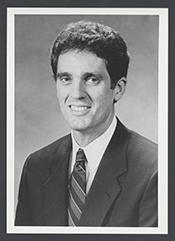
Mr. Chairman, I rise today in strong support of this legislation, and I want to commend the chairman and ranking member for their open-mindedness in allowing me to be a part of this process. The bill…
Mr. Chairman, I rise today in strong support of this legislation, and I want to commend the chairman and ranking member for their open-mindedness in allowing me to be a part of this process.
The bill before us today is a demonstration of the American people extending the hand of compassion and hope to millions of people suffering worldwide from AIDS.
The level of commitment to end HIV/AIDS demonstrated in this bill before us today is long overdue. Previous attempts to address the issue of global HIV/AIDS channeled millions of dollars into unaccountable multilateral efforts
and programs that showed little effectiveness and did little to stem the death toll.
H.R. 1298 reforms the status quo, ensures the most effective use of every dollar and puts new policies in place to help save lives. The bill sets a new course by focusing on real solutions, such as the model provided by Uganda.
The bill requires financial accountability and opens doors to programs that have a history of doing much with little. H.R. 1298 features a strong abstinence education component that has been proven to save lives by eliminating risky sexual behavior.
This is a very important point.
One of the key components of H.R. 1298 is a clear focus on prevention through education. The bill promotes primary prevention by funding activities that help individuals avoid HIV infection. Instead of just working towards reducing the prevalence of HIV/AIDS, this bill seeks to help young people adopt behaviors where the risk of HIV/AIDS can be eliminated. No longer do we just seek to manage the sure death of HIV infection. This bill empowers young people to participate in a future free from the behavioral risks of contracting HIV/AIDS.
The bill distinguishes between true primary prevention efforts, such as abstinence education, from intervention activities that promote condoms under the guise of prevention. The bill distinguishes between prevention services that are appropriate for everyone and preventive intervention that helps a segment of the population engaging in risky behavior. As a physician who previously cared for AIDS patients, I know that encouraging this primary prevention approach will save lives, and save money.
Another key component of the bill is bringing faith-based organizations into full participation with efforts to combat HIV/AIDS. Local churches and faith-based groups promote behavior change to prevent HIV, reduce the stigma associated with HIV infection, and treat those afflicted with the disease and care for orphans.
The Catholic Church alone currently cares for one in four people being treated by HIV/AIDS worldwide. Mission organizations already possess much of the infrastructure, experience, knowledge and compassion necessary to combat AIDS. They also have a history of respecting the culture and values of indigenous communities and peoples so that lasting relationships and change can occur. And faith-based groups are doing this in the most remote areas with the greatest need.
Up until now, resources that could have helped the efforts of churches and faith-based approaches have been soaked up by large international special interests. My missionary friends in Africa tell me about the many hats, T-shirts and conferences that UNAIDS provides to promote condoms and HIV/AIDS awareness. Unfortunately, few real resources are provided to help prevent HIV/AIDS infection.
I am personally aware of faith-based organizations that have been in- country for years, that have the support of the community, that have the support of the government and have brought people of different faiths together around strategies that are culturally and age- appropriate, but yet have been refused resources through USAID and UN- funded programs. Or they have been given a deal to promote condoms or get nothing.
H.R. 1298 will open up new avenues to fund powerful faith-based efforts that save lives in the poorest and most remote places. I strongly encourage all of my colleagues on both sides of the aisle to support this legislation.
Mr. Chairman, I am delighted to be an original cosponsor of the bill, and I again commend the chairman, the ranking member and their staff for crafting what I feel is a very, very good piece of legislation.
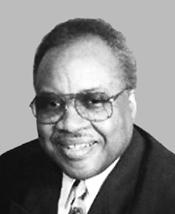
Mr. Chairman, I offer an amendment. Mr. Chairman, I yield myself such time as I may consume. Mr. Chairman, I am thankful for this opportunity to offer this amendment to the United States Leadership…
Mr. Chairman, I offer an amendment.
Mr. Chairman, I yield myself such time as I may consume.
Mr. Chairman, I am thankful for this opportunity to offer this amendment to the United States Leadership Against HIV/AIDS, Tuberculosis, and Malaria Act of 2003. I would like to commend the efforts of my friends and colleagues on both sides of the aisle. I thank the gentleman from Illinois (Chairman Hyde) and the gentleman from California (Mr. Lantos), ranking member, for their leadership; but I also want to take a moment to point my finger at the honorable gentlewoman from California (Ms. Lee), our good friend and long-time leader in this effort who has stood tall on this issue for so many years, and I would like to take the opportunity to commend our President for getting involved in this issue.
I have been in this Congress now for about 4 months, and there have not been many issues that have touched me. This one has. So I have come today to add my voice on behalf of a growing problem compounding the HIV/AIDS crisis in many African nations. America stands ready to help provide food assistance to our brothers and sisters in Africa suffering from this devastating disease, HIV/AIDS. We already provide more than 60 percent of all food aid around the world, and yet some parts of the world question the quality of our foods on the basis of unscientific concerns. Thus it is that some nations object to our food aid; and one I would point out, Zambia, has completely rejected our help.
Mr. Chairman, I am concerned that America may not be doing enough to educate foreign countries about genetically modified foods. Many poor nations lack infrastructure to determine if food is safe. With images on television of epidemics like Mad Cow Disease, many African leaders are very hesitant to go on the findings of food safety inspections and research services of another nation.
With many countries in Africa dealing with HIV/AIDS, their leaders are hesitant to introduce any item into the food supply that they suspect might further complicate health problems. Without adequate information, it is no wonder many of these countries have come to different conclusions about food products they allow into their country.
Mr. Chairman, if we asked most HIV/AIDS victims in Africa what they need most, I would venture to say that they will tell us that they need food. More than any medication, providing proper nutrition to regions without adequate food can prolong lives. The most at risk in this debilitating crisis are women and children. The links between malnutrition and AIDS deaths is undeniable. Malnutrition accelerates the progression from HIV to AIDS and leaves those with HIV/AIDS vulnerable to opportunistic infections that often are fatal.
The devastation that this disease causes in Africa, the hundreds of thousands of orphans, the decimated communities and the economic damage can be alleviated with a combined program of medical aid and good nutrition.
Food is much less expensive than antiretroviral drugs, and good nutrition can prolong the lives of AIDS victims for many years and sometimes decades. According to the recently published Demographic Health Survey and the 2000 Census of Population and Housing by the United Nations, children born between 1970 and 1975 in Zambia could expect to live 47.2 years. That same study now has shown that their life expectancy has decreased to 40.5 years.
Unfounded fears should not hold up food aid. This amendment I believe will go a long way to alleviate those concerns, and I would urge my colleagues to adopt this amendment.
I yield to the gentleman from California.
I yield to the gentleman from Illinois.
Mr. Chairman, reclaiming my time, one other thing I wanted to say which was not in my prepared remarks was we grow a lot of corn in North Carolina.
Mr. Chairman, I yield back the balance of my time.
Mr. Chairman, as a physician I am particularly concerned about terrible diseases like AIDS. I have great sympathy for those--in increasing numbers--who suffer and die around the world. The question…
Mr. Chairman, as a physician I am particularly concerned about terrible diseases like AIDS. I have great sympathy for those--in increasing numbers--who suffer and die around the world. The question is not whether each and every one of us is concerned or would like to do something about this terrible problem. The question is whether yet another massive government foreign aid program will actually do anything at all to solve the problem. The United States has been sending billions and billions of dollars overseas for decades to do fine-sounding things like ``build democracy'' and ``fight drugs'' and ``end poverty.'' Yet decades later we are told that in every category these things have actually gotten worse rather than better. Our money has disappeared into bank accounts of dictators and salaries for extremely well-paid consultants and U.S. Government employees. Yet we refuse to learn from these mistakes; we are about to make another multi-billion dollar mistake with this bill.
Though I have not been in favor of Federal Government funding of healthcare, if this money is going to be spent why shouldn't it be spent in this country, on American citizens? One legitimate function of government is to protect its citizens and taxpayers. Yet thousands of Americans who have contracted this terrible disease find themselves without any healthcare at all. Thousands of these Americans, as they become ill, are no longer able to work and therefore lose their insurance coverage. Drugs to treat the disease become impossible to afford; those with disease end up along and in misery. I seriously wonder whether negative perceptions of those at risk in this country do not drive this push to send billions abroad rather than address the disease here at home. I believe that if this money is to be spend it should be spent on Americans, regardless of what some may think about those high-risk groups.
Bills like the one we are considering today also force Americans to fund programs and organizations that many find morally objectionable, such as those that distribute condoms and perform abortion. While some amendments we are voting on today admirably seek to address some of these concerns, the fact remains that this bill even if amended unconstitutionally sends U.S. taxpayer money overseas and inappropriately engages in social engineering abroad. None of the amendments address the immorality of forcing Americans to fund organizations engaged in family planning, performing abortions, and distributing condoms. As Thomas Jefferson famously said, ``To compel a man to furnish funds for the propagation of ideas be disbelieves and abhors is sinful and tyrannical.'' That is why I have introduced H.R. 1548, a bill to prohibit any Federal official from expending any Federal funds for any population control or population planning program or any family planning activity. What we are seeing today on the floor just underscores the need to pass H.R. 1548--to end this tyrannical and sinful practice of forcing Americans to pay for programs they believe to be immoral and evil.
Mr. Chairman, at a time when the government is running record deficits, is engaged in an enormously expensive war in Iraq and Afghanistan and elsewhere, and is even cutting veterans benefits, I find it extremely irresponsible that we are discussing sending additional billions overseas in yet another dubious program. Additionally, I am greatly concerned that the billions we are contributing to the ``Global Fund'' will be going to organizations that support and perform abortions, prostitution, infanticide and other horrors. There is nothing in this bill to prevent this, only faith that the Coordinator will exercise good judgment in these matters. That is simply not sufficient. I strongly oppose this bill and urge my colleagues to do likewise.
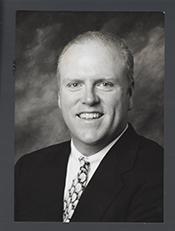
Mr. Chairman, I thank the gentleman from California (Mr. Lantos) for yielding me this time. I want to applaud the gentleman from Illinois (Chairman Hyde) for his work on this bill. I want to voice my…
Mr. Chairman, I thank the gentleman from California (Mr. Lantos) for yielding me this time.
I want to applaud the gentleman from Illinois (Chairman Hyde) for his work on this bill. I want to voice my strong support for the United States Leadership Against the HIV/AIDS, Malaria, and Tuberculosis Act of 2003. Make no mistake, this bill is a big step in the right direction. This bill means more help for those infected with HIV/AIDS. It means more hope and help for children who are dying from malaria. It means that fewer families will live in fear of tuberculosis.
This bill is a true victory. But we must take the steps to ensure that what this bill stands for, protecting the health of individuals around the world, is also protected. And that is why we must see that this bill is not the end of the debate, but rather a step in the right direction.
The prevention and treatment of these diseases requires funding; but, of course, it requires even more. It requires accurate information, cultural sensitivity, rapid response. It requires real dedication.
Mr. Chairman, $15 billion over 5 years is real assistance for some of the world's most vulnerable, but only if it is allowed to be spent as those on the ground see fit. This bill can mean real hope for countless people around the world. I only hope that what this bill stands for survives as well.
Mr. Chairman, I offer an amendment.
Mr. Chairman, I yield myself 2 minutes.
Mr. Chairman, I rise in support of my amendment on preventing women's vulnerability. The social empowerment of women and girls is critical to reducing the spread of HIV worldwide. Today, heterosexual sex is the primary factor in HIV transmission worldwide.
Women and girls now make up more than 50 percent of those infected with HIV worldwide and more than 58 percent of those in sub-Saharan Africa. Women and girls often are not able to control when and with whom they have sex, or to influence the behavior of their partners. In fact, each year millions of monogamous married women are infected by their husbands or their partners.
Irrefutable evidence now links a range of discriminatory practices that violate the fundamental human rights of women and girls and lead to high rates of HIV infection. These include, but are not limited to, sexual violence and coercion, child marriage, widow inheritance in which male relatives of the deceased gain sexual access to the widow, polygamy, and the practice in which men engage in sex with virgins as a ``cure'' for HIV-AIDS.
During a visit to Malawi, I personally saw some of the horrific realities confronting women and girls today. I know many of us have heard the awful stories of babies raped in South Africa to cure themselves of AIDS. U.S. programs must work at every level to change the beliefs that support these life-threatening traditions and behaviors.
My amendment would begin to address this appalling problem and require a curriculum of gender equity in HIV/AIDS training, so that adolescent boys and men learn to respect women and not just view them as sex partners.
While men and boys learn about HIV/AIDS prevention, including abstinence, being faithful and using condoms, ABC as it is called, they also learn what we call the big R, respect, respect for girls and women as their co-equals.
This is a great bill. My amendment can make it better by adding this curriculum to HIV/AIDS prevention education programs under the Global Fund. I urge passage of the Crowley amendment.
I yield to the gentleman from California.
Mr. Chairman, I reserve the balance of my time.
Mr. Chairman, I yield 1\1/2\ minutes to the gentlewoman from New York (Mrs. Lowey).
Mr. Chairman, I yield 1 minute to the gentlewoman from California (Ms. Lee).
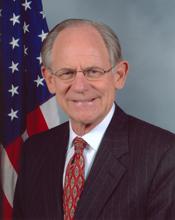
Mr. Chairman, I want to commend the administration as well, as a lot of others have spoken to today. The leadership of this House, and particularly the gentleman from Illinois (Chairman Hyde) and the…
Mr. Chairman, I want to commend the administration as well, as a lot of others have spoken to today. The leadership of this House, and particularly the gentleman from Illinois (Chairman Hyde) and the ranking member, the gentleman from California (Mr. Lantos), two extraordinary Members who really care about issues such as this.
This is important legislation that will dramatically increase the United States' participation and role in combating HIV and AIDS. The HIV/AIDS scourge is not only an international health threat killing millions and spreading each year, but it is also a major detriment to the economic security and well-being of our Nation and many countries around the world. As we have seen with the current SARS virus, economic partners as close as Canada have been seriously impacted in just a very short time period. While SARS is a new major health risk that experts are working to halt in recent weeks, we must not forget that HIV/AIDS is a killer disease that continues to plague the entire world.
Specifically, the legislation before us today will authorize more than $15 billion for combating HIV/AIDS globally over the next 5 years. In President Bush's State of the Union address he called for an increase in the U.S. commitment to combat the global AIDS pandemic. I am pleased that today we are debating a holistic approach to combat such a destructive disease. The legislation creates a more responsive, coordinated, and effective approach among the various agencies of the United States Government involved in the war against HIV/AIDS and approves up to $1 billion for the Global Fund for AIDS, Tuberculosis, and Malaria for fiscal year 2004.
I have seen firsthand the devastation that AIDS has had on the people of Africa, and I firmly believe that the United States and the rest of the developed world must act now to help end the suffering and hardship caused by this terrible disease.
When I visited Zimbabwe, Nigeria, and South Africa several years ago, I saw the overwhelming impact that AIDS was having, not only on those adults afflicted with the disease, but also on thousands of orphans that the disease creates. In some countries, one-fifth to one-third of the children have already been orphaned by the disease. I am pleased that today's measure authorizes the President to establish pilot programs to create and treat orphans and young children.
Through the work of my constituent, Jeff Busch, I have learned about and supported the work of the Safe Blood for Africa Corps. This small, not-for-profit company has the goal of safeguarding the blood supply in sub-Saharan Africa from infectious diseases such as HIV, Hepatitis B, and Hepatitis C.
I have supported their efforts to fund a first-strike program of HIV/ AIDS prevention in sub-Saharan Africa that would immediately begin to save between 350,000 and 500,000 lives by utilizing rapid blood testing to provide for the transfusion of safe blood. The President has cited Uganda as the model country for putting together an effective plan to combat HIV/AIDS. Uganda has been very aggressive in their approach, and it is important to note that they first addressed the problem of cleaning the blood supply.
In conclusion, the Bush administration has designated the war on HIV/ AIDS in developing countries a top priority, and I strongly believe that this important legislation will push this goal forward. Mr. Chairman, 40 million people are currently infected and 25 million have died of AIDS worldwide, including more than 3 million people last year alone. Now is the time for our Nation to step up and halt this most deadly disease.
Mr. Chairman, I thank the gentleman for yielding time to me. Mr. Chairman, I rise in my capacity as chairman of the Subcommittee on Foreign Operations, Export Financing and Related Programs on the…
Mr. Chairman, I thank the gentleman for yielding time to me.
Mr. Chairman, I rise in my capacity as chairman of the Subcommittee on Foreign Operations, Export Financing and Related Programs on the Committee on Appropriations to discuss this bill, H.R. 1298. It is our subcommittee that will be called upon to fund this authorization.
The legislation has three critical elements that are important to the issue of funding: first, the requirement for the President to establish within 9 months a comprehensive 5-year strategy to combat AIDS; second, within the Department of State the establishment of a new coordinator of U.S. activity to combat HIV/AIDS; and, third, providing statutory authority and sufficient authorization for additional United States contributions to the Global Fund to fight AIDS, tuberculosis, and malaria.
There are many other provisions, some of which appear unnecessary to this Member, others of which are clearly contradictory; but I want to address these three core provisions in the time that I have available.
I commend the gentleman from Illinois (Chairman Hyde) and the ranking member, the gentleman from California (Mr. Lantos), for their work in crafting legislation that could bring much-needed policy coherence and effective management to the outpouring of well-meaning but, frankly, scattershot Presidential and congressional initiatives designed to arrest the worldwide HIV/AIDS pandemic.
I would ask the gentleman from Illinois (Chairman Hyde) and the members of the Committee on International Relations to take into consideration several of our subcommittee's concerns as they move this bill toward enactment.
First, as the proposed 5-year strategy will not be in place, at the earliest, until midway through the next fiscal year, the funds appropriated for fiscal year 2004 will have to reflect the strategies and use the delivery systems now in place. For that reason, I would caution against legislating the Uganda model on a global basis or limiting increased funding to only 14 countries before that strategy is in place or Congress has had an opportunity to review it.
Second, the legislation under consideration today proposes to turn the role of the AIDS coordinator into a de facto agency administrator. I have serious reservations about giving someone who was designated a coordinator within the State Department the authority to make grants, operate in foreign countries, or to, in effect, replace the Global Health Bureau of USAID or the Centers for Disease Control. Why are we creating an entire new Federal bureaucracy to administer the program when one already exists?
I also object to the language which would allow the coordinator to transfer money from prior-year appropriations or to establish a new account in the Treasury for which no funds have been appropriated.
Third, I welcome the flexibility to continue funding for the Global Fund at or above the current level of almost $350 million. But in all candor, the budget resolution does not permit fiscal 2004 funding anywhere near the $1 billion authorized by this legislation. Thus, we are only creating false expectations about what our Committee on Appropriations might be able to do this year.
Mr. Chairman, having spent much time over many years on the critical issues addressed by this bill, I am really pleased to see that the Congress is grappling with HIV/AIDS as an international issue. The legislation before us today is a helpful start, but much work remains to be done if we are to have effective implementation of programs to combat HIV/AIDS around the world.
Show 11 more
Mr. Chairman, I thank my friend for yielding me this time. I join the gentleman from Iowa (Mr. Leach) in congratulating the gentleman from Illinois (Mr. Hyde) and the gentleman from California (Mr.…
Mr. Chairman, I thank my friend for yielding me this time.
I join the gentleman from Iowa (Mr. Leach) in congratulating the gentleman from Illinois (Mr. Hyde) and the gentleman from California (Mr. Lantos), ranking member, as well as the extraordinary work that has been done by the gentlewoman from California (Ms. Lee) as a Member of Congress and before she got to Congress.
Mr. Chairman, the great Dr. Martin Luther King, one of the world's great humanitarians, once said, ``We are caught in an inescapable network of mutuality tied in a single garment of destiny. Whatever affects one directly affects all indirectly.''
Today, through this truly historic, bipartisan legislation authorizing $15 billion over the next 5 years for overseas care, treatment and prevention of AIDS, we recognize that our Nation has a moral obligation and a national security interest in combating the HIV/ AIDS pandemic, as well as malaria and tuberculosis.
We ignore the world's increasing interdependence at our own peril, Mr. Chairman. And, frankly, while many of my colleagues have fought for many years to bring needed resources to bear on this problem, their call to arms has not, until now, been fully embraced.
The source scourge of AIDS knows no borders. It does not discriminate. It targets every one of us, infecting some 42 million people around the world, two-thirds of them from Africa.
As my good friend the gentleman from California (Mr. Lantos), who has worked with the gentleman from Illinois (Chairman Hyde) to bring this legislation to the floor today, stated in the markup of this bill, this health care crisis ruins families, communities and whole nations, fueling violence and bloodshed across borders. It cannot be contained in one region or in one population. And, thus, it is a global challenge that demands a global, humanitarian response with the United States in the lead.
The ranking member, the gentleman from California (Mr. Lantos), the gentlewoman from California (Ms. Lee), and certainly the gentleman from Illinois (Chairman Hyde), deserve our congratulations, our thanks and admiration for their leadership in crafting this bill's balanced approach to treatment and prevention. It is a real commitment to addressing the HIV/AIDS crisis.
I would hope that amendments to be offered later today that would upset this carefully crafted, balanced piece of legislation, that those amendments would be rejected. In particular, the Pitts amendment would upset the balanced HIV/AIDS prevention approach called for in the bill by requiring that one-third of the prevention funds be used solely for abstinence-only programs. Certainly we are supportive of abstinence, but not to wall it off for sole use resources.
This historic legislation reflects our values, protects our interests, and extends, Mr. Chairman, a handle of hope to millions of vulnerable people across the world.
We need not ask for whom the bell tolls; it tolls for us. This legislation is a response by us to reach out to save lives, to heal, and to make our Nation and our global community more secure.
Mr. Chairman, I rise today in support of this bill. I congratulate the gentleman from Illinois (Chairman Hyde) and the ranking member, the gentleman from California (Mr. Lantos), for their important…
Mr. Chairman, I rise today in support of this bill. I congratulate the gentleman from Illinois (Chairman Hyde) and the ranking member, the gentleman from California (Mr. Lantos), for their important work. I have always believed that dealing with the AIDS crisis is both a national security priority and a moral imperative for the United States. I am pleased to see that we are authorizing a significant infusion of resources and broad-based commitment.
However, I caution my colleagues that despite strong administration and bipartisan congressional support for this bill, the $3 billion authorized for the upcoming fiscal year simply does not exist in the bill. The administration's request for 2004 for all global HIV/AIDS, tuberculosis, and malaria programs is about $1.7 billion, not $3 billion. While my colleagues and I on the Committee on Appropriations will try to find the $1.3 billion necessary to fill the massive funding gap, it will be difficult in an already tight budget.
I would urge the administration to request the funds necessary to fulfill the President's promise. I hope our Republican leadership will make sure we have the resources we need to fully fund this historic initiative.
Mr. Chairman, we have before us today an opportunity to do a great deal of good in the world: to improve the lives of people living with AIDS, to help AIDS orphans survive and thrive, and to prevent millions of those who are most at risk from contracting this horrible virus. Our efforts will have massive implications for the stability and prosperity of whole communities, societies, and regions of the world, a tremendous privilege and an awesome burden.
It is not every day that Members of Congress have the opportunity to jumpstart a process. So let us appropriate the money, let us fulfill the promise, and let us make sure we use it wisely and well.
Mr. Chairman, I rise in strong support of the Crowley amendment, and I commend my colleague for his leadership on this important issue.
The amendment addresses one of the core issues driving HIV/AIDS infection rates in the hardest hit countries: The disproportionate vulnerability of women to contracting HIV.
The facts speak for themselves, women and adolescent girls make up more than 50 percent of those infected with HIV worldwide, more than 58 percent of those infected in sub-Saharan Africa. The reasons for this are clear, gender violence and sexual coercion make it difficult, and even impossible, for women to say no to sex with an infected person. Widespread poverty has turned many younger women to having sex with older men in return for the food and shelter their families cannot provide. Poverty, as well, is a factor in the prevalence of early marriage, subjecting adolescent girls to marriages with unfaithful partners who often bring HIV home.
The Crowley amendment would provide a solution requiring U.S. programs to prevent HIV/AIDS to work toward empowering women to negotiate their sexual activity, and working with men to understand and respect women's rights. I urge adoption of this amendment.
Mr. Chairman, I offer an amendment. Mr. Chairman, I yield myself such time as I may consume. Mr. Chairman, first of all, let me thank the gentleman from Illinois (Mr. Hyde) for all of his work on…
Mr. Chairman, I offer an amendment.
Mr. Chairman, I yield myself such time as I may consume.
Mr. Chairman, first of all, let me thank the gentleman from Illinois (Mr. Hyde) for all of his work on this necessary initiative. I also applaud the bipartisan manner in which he and the ranking member, the gentleman from California (Mr. Lantos), have completed this difficult task.
In addition, the gentleman from Iowa (Mr. Leach) and the gentlewoman from California (Ms. Lee) should be commended for the groundwork that they laid with their previous efforts in creating a World Bank/AIDS Trust Fund.
This amendment does two things: First, it states that the World Bank, or the IBID, the International Bank for Reconstruction and Development, is the trustee for contributions made by sovereign nations. This makes the underlying bill consistent with both the charter of the Global Fund and with legislation previously passed and signed into law concerning the global fight against HIV/AIDS. This amendment in no way restricts the movement of the trustee role to any other financial institution if the board of the Global Fund deems it necessary some time down the road.
Second, it expresses the sense of Congress that we wish to encourage individuals and private entities to make contributions to the Global Fund. The President, in his State of the Union address, specifically requested that $1 billion of emergency relief for AIDS go towards the Global AIDS Fund over a 5-year period. The Hyde bill has authorized $1 billion in the first year alone and more money to be authorized in subsequent years, if necessary.
While we all agree that government contributions on a multilateral level should be the main source of funding for the Global Fund, we also must agree that individual and private entity donations should not be discounted, discouraged, or dismissed. They should be encouraged. Governments alone cannot concur this enemy. There is so much more that individual citizens and charitable foundations can and will do if we give them the avenue, the information and the opportunity.
To illustrate my point, we are all aware of the $100 million contribution made by two very well known and generous Americans from the Bill and Melissa Gates Foundation. This single contribution from an American-based foundation is roughly half the amount that was pledged by the governments of Italy and Japan combined to this Global Fund.
The amendment seeks to encourage and enable other foundations and generous individuals, even those who might be thinking more in the neighborhood of a $10 or $100 contribution to contribute to the Global AIDS Fund to combat the HIV/AIDS pandemic. These funds promote expansion of public-private partnerships.
I yield to the gentleman from Illinois.
I yield to the gentleman from California.
I yield to the gentlewoman from California.
Mr. Chairman, I thank the gentlewoman from California (Ms. Lee) and thank the chairman and the ranking member for their support of this amendment. I urge its passage.
Mr. Chairman, I yield back the balance of my time.
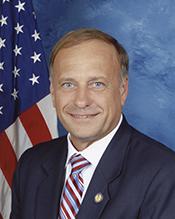
Mr. Chairman, our Nation is greatly blessed. We have a responsibility to our fellow man. When rampaging machete mobs began massacring Rwandans, I believed then and I believe now that we should have…
Mr. Chairman, our Nation is greatly blessed. We have a responsibility to our fellow man. When rampaging machete mobs began massacring Rwandans, I believed then and I believe now that we should have deployed troops to save them.
I agree with the principles expressed by President Bush in this very Chamber in his State of the Union speech when he said: ``We exercise power without conquest and we sacrifice for the liberty of strangers. Americans are a free people who know that freedom is a right of every person and the future of every nation. The liberty we prize is not America's gift to the world; it is God's gift to all humanity.''
Now we face an AIDS crisis in Africa. It is severe. We have the unique opportunity to help save and extend the lives of Africans. However, we must ensure that our efforts to fight AIDS in Africa do not infringe upon their liberty, their freedom, and the right to life of unborn Africans.
The travesty of family planning and population control funding being used to subsidize abortion providers and counseling is not new to Congress. In fact, in 1970, Congressman John Schmitz of California accurately predicted the consequences of providing funding without restrictions.
We know the results of that. He said on that day: ``The bill before us today . . . would commit the U.S. Government to the life prevention business at an initial cost of more than a quarter of a billion dollars.'' As we know, the rise in the cost of the program is under way, with no end in sight. Congressman Schmitz was right. In 1999, Planned Parenthood received $51 million. Effectively, we are subsidizing abortion services.
Today we are poised to distribute AIDS assistance to those who are currently without hope in Africa. Hopefully, a large portion will go to proven abstinence, medical treatment, and as a last resort, condom distribution.
However, none of the billions for relief in Africa should be used to fund abortions. No United States taxpayer money should fund groups that provide abortion services or counseling. We will save lives by providing humanitarian AIDS relief to Africa. No lives are as innocent as those lives of babies taken by abortion.
We must show compassion for Africans and ensure that the words of Congressman Schmitz when we committed the United States to the life prevention business do not come true with this excellent bill.
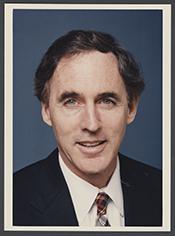
Mr. Chairman, I offer an amendment. Mr. Chairman, I yield myself such time as I may consume. Mr. Chairman, I appreciate the opportunity to offer this simple amendment. It will ensure that the money…
Mr. Chairman, I offer an amendment.
Mr. Chairman, I yield myself such time as I may consume.
Mr. Chairman, I appreciate the opportunity to offer this simple amendment. It will ensure that the money that the United States spends, which is taxpayers' money, to address the AIDS crisis will be spent treating patients rather than spent in bureaucratic, administrative costs.
It requires that at the Global Fund, individual salaries may not exceed the salary of the Vice President of the United States. The criteria that I came up with, being the Vice President's salary, is because in the Homeland Security Act, we specified that no Federal employee may earn a salary in excess of the vice presidential salary. So that is the criteria I used. I think it is pretty simple, and back in our districts, $192,000 is a lot of money.
Given that the Global Fund's mission is to help people dying from AIDS and prevent others from getting and eventually dying from AIDS, it would seem reasonable that administrative costs should be held to a minimum so that every dollar that taxpayers spend overseas will move to the patients and to the people who need it. As long as the U.S. Government is the largest single contributor to the fund, it is appropriate that we place this modest restriction on the salaries. We do it for our Federal employees here in the United States, why not do it in the Global Fund. With hundreds of millions of dollars at risk, it is the responsibility of all of us to ensure that dollars are spent wisely. Mr. Chairman, I think the amendment is pretty simple. I could point out a lot more.
I yield to the gentleman from Illinois.
Mr. Chairman, I thank the gentleman.
I yield to the gentleman from California.
Mr. Chairman, I yield myself such time as I may consume.
I just will conclude by saying we all want this bill to save lives. That is why we are here. But I think we must have some kind of strict accountability with this organization sanctioned by the world to meet this dire need, and I thank the gentleman from California (Mr. Lantos) and the gentleman from Illinois (Mr. Hyde), distinguished chairman and ranking member. I appreciate their support. We must have confidence that these organizations are using American taxpayers' dollars wisely.
Mr. Chairman, I yield back the balance of my time.
Mr. Chairman, I demand a recorded vote.
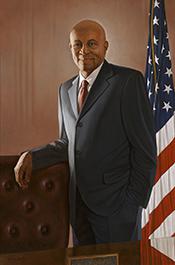
Mr. Chairman, I support the attempt in this bill to provide basic medical assistance to prevent and treat HIV/AIDS. To understand the importance of this assistance, we must get a firm grasp on the…
Mr. Chairman, I support the attempt in this bill to provide basic medical assistance to prevent and treat HIV/AIDS. To understand the importance of this assistance, we must get a firm grasp on the enormity of this problem. AIDS is truly a global killer. The virus respects no national boundaries, no religious affiliation, no race, no gender, and no age. In Sub-Sahara Africa, the region of the world most severely affected by HIV and AIDS, there are an estimated 25.3 million persons infected with the virus. In 7 African countries, 20 percent of the population is affected. In Botswana, it is estimated that 36 percent of the adult population is infected with HIV.
Other regions of the world have equally alarming statistics. In Asia, the world's most populous continent, 3.5 million people are infected with HIV. Eastern Europe has the most rapid rate of growth in HIV infections. In 20 short months, the number of infected persons in the Russian Federation rose from 10,000 to 70,000. In Latin America, an estimated 1.9 million people are infected with HIV. In the Caribbean, HIV has impacted about 400,000 people.
HIV and AIDS is the leading cause of death in Africa and the fourth leading cause of death worldwide. In the countries most affected in Africa, life expectancy has declined by 10 years and the infant death rates have doubled.
This disease has ravaged families. In the developing world, the loss of one parent can lead to a loss of income, the end of educational opportunities for children and an increase in child labor. The loss of both parents can be devastating. It has been estimated that by 2010 there will be 40 million children in Africa who have been orphaned because of the AIDS virus. That is equivalent to every child living east of the Mississippi River in this country.
I know this is a grim picture, but to paint a rosy scenario would be inappropriate. Compassion and concern are not enough. We must take concrete action, here and now. This epidemic can be stabilized and reversed. We must work effectively with leaders of the world to achieve these outcomes. Africa's tragedy can be reversed and a similar cataclysm can be avoided in other countries. This legislation is a good step forward in addressing this issue. But we must be prepared to take the next step and assist countries impacted by these diseases.
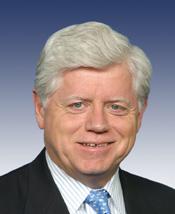
Mr. Chairman, I rise today in support of H.R. 1298, the United States Leadership Against HIV/AIDS, Tuberculosis, and Malaria Act of 2003. While much of our focus over the past two years has been on…
Mr. Chairman, I rise today in support of H.R. 1298, the United States Leadership Against HIV/AIDS, Tuberculosis, and Malaria Act of 2003. While much of our focus over the past two years has been on the eradication of terrorist threats from radical fringe groups and evil dictators, we must not forget the threat posed by a non-human terrorist: HIV/AIDS. More than 42 million people in the world are living with HIV/AIDS. Nearly 30 million of those people live on the continent of Africa and that includes 3 million children under the age of fifteen. As many of us in Congress have worked hard over the years to strengthen HIV/AIDS programs, I was particularly pleased to hear the President acknowledge this threat during his State of the Union address in January. Today Congress has a chance to address this global pandemic.
Specifically, this bill would authorize $15 billion over five years to fight the HIV/AIDS pandemic, including up to $1 billion for the Global Fund to Combat HIV/AIDS, Tuberculosis, and Malaria in Fiscal Year 2004. It would also create a five-year comprehensive, integrated, global strategy to strength the U.S. capacity to respond to the HIV/ AIDS pandemic. Additionally, an HIV/AIDS Response Coordinator within the Department of State would be created to oversee this plan.
I am particularly pleased by the bipartisan support that this legislation has garnered. I thank the gentleman from Illinois (Mr. Hyde) for introducing this bill and working with both sides of the aisle to bring to the floor today a bill that can be widely supported. Our goal should not be to impose our values on another culture, but to exhibit our values by showing care and compassion for our global neighbors. By supporting programs like the successful Ugandan ABC campaign (which says Abstain; if you can't abstain, Be Faithful; if you can't be faithful, use a Condom) we can effectively address this crisis.
Again, I support this legislation and encourage my colleagues to join me. We have the opportunity today to make a commitment to improve the lives of millions of people and ease the suffering of an entire continent. However, the fight against HIV/AIDS is far from over and we must live up to the commitment we make today by fully funding these programs in the future.
Mr. Chairman, I rise in support of this important legislation that will enable us to effectively combat the global scourges of HIV/AIDS, tuberculosis, and malaria. I am grateful for the bipartisan…
Mr. Chairman, I rise in support of this important legislation that will enable us to effectively combat the global scourges of HIV/AIDS, tuberculosis, and malaria. I am grateful for the bipartisan leadership of my colleagues who authored and were original co-sponsors of this bill especially Chairman Hyde, Ranking Member Lantos, Mr. Weldon, Ms. Lee, and Mr. Leach.
This legislation enables the United States to take strong leadership role to ameliorate, and, we hope, ultimately to eradicate one of the most devastating diseases that man has ever encountered. We count the victims of HIV/AIDS in the tens and hundreds of millions, worldwide. It is a disease that affects men and women, adults and children. Its impact is most devastating on the poorest, those with the least capacity to deal with the ravages of this disease or to act effectively to prevent its spread. By affecting so many millions across societal cross-sections, this disease presents a humanitarian crisis of unprecedented magnitude. Furthermore, the HIV/AIDS pandemic is a potentially destabilizing force that presents a grave threat to international security.
The African nations have been especially hard hit by the epidemic of HIV/AIDS and
other diseases. Together, HIV/AIDS, tuberculosis, malaria, and related diseases are undermining agriculture production throughout Africa-- aggravating disease with hunger.
This bill will address these global problems by authorizing $15 billion to combat HIV/AIDS, tuberculosis, and malaria, through a comprehensive five-year integrated strategy. This legislation will use these funds effectively by promoting inter-agency coordination, supporting the expansions of public/private partnerships, and using targeted programs that will especially benefit children and families affected by HIV/AIDS.
Of course we must continue to work aggressively to combat the spread of this disease here in the United States and to continue our efforts to research a cure and to aid our own countrymen afflicted with this terrible illness.
I am proud to be a co-sponsor of this vital legislation to attack one of the most significant threats to global health. I am pleased with the bill that the International Relations Committee passed, and I urge my colleagues to support his bill.
Mr. Chairman, I thank the chairman and the ranking member on our subcommittee, and I rise in support of the legislation. Mr. Chairman, I rise today in support of H.R. 1298, the United States…
Mr. Chairman, I thank the chairman and the ranking member on our subcommittee, and I rise in support of the legislation.
Mr. Chairman, I rise today in support of H.R. 1298, the United States Leadership Against HIV/AIDS, Tuberculosis, and Malaria Act of 2003.
The global devastation caused by these three diseases cannot be understood. The HIV/AIDS pandemic has killed more than 25 million of the 65 million individuals affected by this disease worldwide.
More than 14 million children have been orphaned because of this awaful disease.
Tuberculosis, the leading killer of individuals with HIV/AIDS, is an equally serious threat. An estimated 2 billion persons--one third of the world's population--are infected with the bacteria that cause TB, and approximately 2 million persons die each year from TB.
This isn't just a problem overseas--after years of decline in the United States, the number of reported TB cases increased 20 percent during 1985-1992.
It is particularly problematic in my home State of Texas. According to the Centers for Disease Control and Prevention, we rank 5th in the country in TB case rates.
With approximately 264 million persons crossing the United States- Mexico border northbound annually, and 23 percent of all
U.S. foreign-born tuberculosis, TB, patients in the United States originating from Mexico, the implications are clear--we have to act on a global level if we are going to win the battle against this killer.
That is why I am pleased to support H.R. 1298, important legislation which will provide $3 billion annually for global AIDS, TB and malaria in 2004-2008.
The legislation provides up to $1 billion specifically for the Global Fund to Fight AIDS, TB and Malaria in 2004--a key multilateral mechanism for expanding prevention and treatment.
This bill also allows the U.S. share of total contributions to the Global Fund of up to 33 percent, which solidifies our commitment to eradicating these diseases worldwide.
This legislation is carefully crafted, bipartisan, and will be truly effective in our efforts to combat HIV/AIDS, Tuberculosis and Malaria.
I urge my colleagues to support this bill, and oppose any efforts to weaken or amend it.
Mr. Chairman, I rise for many reasons in support of this amendment. One of the main reasons that I rise in support of this amendment is because of language that I was able to get inserted as part of…
Mr. Chairman, I rise for many reasons in support of this amendment. One of the main reasons that I rise in support of this amendment is because of language that I was able to get inserted as part of it, and I thank my chairman, the gentleman from Louisiana (Mr. Tauzin), and the gentleman from Ohio (Mr. Brown) for accepting this language so we did not need a separate amendment but make this as part of a comprehensive amendment.
Part of this amendment reads, the language I was able to insert, says this: ``In carrying out immunization programs and other programs in developing countries for the prevention, treatment, and control of infectious diseases, including HIV/AIDS, TB, and malaria, the director of the CDC and Prevention, in coordination with the coordinator of the U.S. Government to combat AIDS globally, the National Institutes of Health, national and local government, and other organizations such as the World Health Organization, and the United Nations Children's Fund, shall development and implement effective strategies to improve injection safety, including eliminating unnecessary injections.''
Now, why is this important? A couple of years ago I participated in a bipartisan lunch here in the Capitol, and they talked about many villages in Africa that are really led by children because there are no more adults there. It became quite clear that for many of these injections they used syringes that were used over and over and over again. As a consequence, if one person had HIV/AIDS in that community, they all got it. They all died. They all got this terrible disease.
In fact, we know from data provided by the Safe Injection Global Network, an organization affiliated with the WHO, that unsafe injection practices in developing countries cause 8 to 16 million hepatitis B infections, 2 to almost 5 million Hepatitis C infections, and the original 1976 Ebola epidemic in Zaire was traced to the reuse of three syringes.
This language that was included will prevent that. I look forward to its adoption, and I again compliment the gentleman from Louisiana (Mr. Tauzin) and the gentleman from Ohio (Mr. Brown) for including the language.
Mr. Chairman, I thank the gentleman from Illinois (Mr. Hyde) for yielding me this time. During the course of the debate today, we will hear a lot of numbers, thousands and millions of percentiles. We…
Mr. Chairman, I thank the gentleman from Illinois (Mr. Hyde) for yielding me this time.
During the course of the debate today, we will hear a lot of numbers, thousands and millions of percentiles. We will have a lot of platitudes. Platitudes are important, numbers are important; but they are just lines on a page.
Let me give my colleagues an image that may help us put this all into perspective. Not so very long ago, I met a missionary who had served in the very area where I taught high school in Africa some 15 years ago, and I asked her what the changes were that she had seen over her time. I thought she would say to me, cell phones, electricity, running water, which we did not have; and she said, no, that is not it. She said, now as you walk down that mud path, you will stop and suddenly say to yourselves, my God, there are no adults here. There are children and there are grandparents, but there is an entire generation missing.
Mr. Chairman, so many here are talking about why we must do this for the sake of the impoverished and the needy around the world, and it is true. I would also suggest we need to pass this legislation for our sake. Two reasons: number one, it makes us more human. Every one of the great faiths in this world calls upon its followers to care for their neighbor. I know my faith does. My faith requires me to take up issues like this. Secondly, it is a matter of national security. If we do not get our arms around this pandemic, this plague, entire regions of the world will be destabilized; and when they are destabilized, we will see openings for radicalism, and where radicalism grows, dangers emerge, dangers to us and our way of life.
So yes, we must do this for the impoverished and the needy around the world, but we do this for us too. We are Americans. It is in our nature. It is the thing that we should do. This is important legislation. It is historic legislation. I commend the chairman. I agree with one of the previous speakers that this will be our most important legislation. It will save lives; it will shape history. I am proud to be part of this.
Bill Text
Latest available legislative text
        [Congressional Bills 108th Congress]
[From the U.S. Government Publishing Office]
[H.R. 1548 Introduced in House (IH)]

108th CONGRESS
1st Session
H. R. 1548

To prohibit any Federal official from expending any Federal funds for
any population control or population planning program or any family
planning activity.

_______________________________________________________________________

IN THE HOUSE OF REPRESENTATIVES

April 1, 2003

Mr. Paul introduced the following bill; which was referred to the
Committee on International Relations, and in addition to the Committee
on Energy and Commerce, for a period to be subsequently determined by
the Speaker, in each case for consideration of such provisions as fall
within the jurisdiction of the committee concerned

_______________________________________________________________________

A BILL

To prohibit any Federal official from expending any Federal funds for
any population control or population planning program or any family
planning activity.

Be it enacted by the Senate and House of Representatives of the
United States of America in Congress assembled,

SECTION 1. SHORT TITLE.

This Act may be cited as the ``Freedom of Conscience Act of 2003''.

SEC. 2. PROHIBITION AGAINST FEDERAL FUNDING FOR POPULATION CONTROL.

No Federal official may expend any Federal funds for any population
control or population planning program or any family planning activity
(including any abortion procedure), irrespective of whether such
program or activity is foreign or domestic.
<all>