Lewis and Clark National Historic Trail Extension Act of 2003
Legislative Activity
Stay on top of the latest movement without scrolling through every action
Referred to the Subcommittee on National Parks, Recreation and Public Lands.
June 12, 2003
View full timeline
Introduced in House
June 4, 2003
Referred to the House Committee on Resources.
June 4, 2003
Referred to the Subcommittee on National Parks, Recreation and Public Lands.
June 12, 2003
Floor Debate
24 membersWhat members said about H.R. 2327 on the floor
 JDD
JDD WJ(
WJ( SJL
SJL JRL
JRL GG+19
GG+19
Floor Debate
24 membersWhat members said about H.R. 2327 on the floor
Mr. Speaker, I ask unanimous consent that the gentleman from Ohio (Mr. Brown) be permitted to control 15 minutes of the time allocated to me. Mr. Speaker, I yield myself 3\1/2\ minutes. (Mr. DINGELL…
Mr. Speaker, I ask unanimous consent that the gentleman from Ohio (Mr. Brown) be permitted to control 15 minutes of the time allocated to me.
Mr. Speaker, I yield myself 3\1/2\ minutes.
(Mr. DINGELL asked and was given permission to revise and extend his remarks.)
Mr. Speaker, this is a bad bill. On its face it would appear to be a good bill. It is not. It will allow this country to be flooded with unsafe, counterfeit drugs; drugs that will not do what they should; drugs that are unsafe; drugs that will kill the American people. I tell Members, it is a bad bill, and I ask them to remember the experiences that were reported by my colleague from Louisiana.
This bill would reduce the capacity of the Food and Drug Administration to protect our people from unsafe prescription pharmaceuticals, which will begin to flood the country if and when it is passed.
H.R. 2427 is a prescription for trouble. They open our borders. They provide millions of Americans with access to perhaps drugs which are cheaper, but drugs which are unsafe and which evade the responsibility and the ability of Food and Drug to protect the American people.
Mr. Speaker, do not take my word for that. Listen to what the health care professionals and regulators say.
The American Medical Association says, ``We believe H.R. 2427 would be so dangerous to patient safety that we must oppose it. This legislation would eliminate most of the important restrictions on reimportation of pharmaceuticals in current law and replace them with a system of unverifiable and unsafe provisions.''
The National Medical Association has said, ``This legislation would result in counterfeit, adulterated, and dangerous drugs entering the United States. We do not believe that H.R. 2427 should be enacted at the risk of jeopardizing patient safety.''
The American Osteopathic Association says, ``H.R. 2427, while increasing the possible number of drugs reimported into the United States, does nothing to ensure the safety and efficacy of these drugs. There is no bargain to be found for our patients who purchase drugs that are ineffective or contaminated.''
The Food and Drug Administration says, ``H.R. 2427 would authorize the importation of prescription drugs from foreign sources without adequate assurances that such products are safe and effective. H.R. 2427 creates a wide channel for large volumes of unapproved drugs and other products to enter the United States that are potentially injurious to public health and pose a threat to the security of our Nation's drug supply. The bill would do so by taking unprecedented steps that limit FDA's authority to assure the safety of prescription drug products to be used by American consumers.''
Mr. Speaker, this will enable foreign manufacturers to import into Canada for reimportation into the United States tons of counterfeit foreign drugs, drugs which are ineffective, over-age, unsafe, unregulated and improperly manufactured in ways which will offer threats to the United States, to our citizens and to the people who are looking to you to see to it that their food, drugs and cosmetics are safe.
Mr. Speaker, let us look at it. Foreigners are going to use this device to enter Canada to sell unsafe drugs to the American people. Do not deceive yourself to think that any one of those importers will be bound by any requirements of American law or that they will, in fact, sell those drugs at less price. They will simply sell them at U.S. market prices, and you are going to have on your hands the possibility that you have voted to injure, sicken, hurt or kill the American people by allowing the importation of unsafe drugs.
Recent Counterfeits
Counterfeit Lipitor
Lipitor, a cholesterol-lowering medicine, is used by 11
million Americans each year to help prevent serious heart
disease. Last month, according to FDA, a large quantity of
fake Lipitor entered the U.S. market. The product was
imported to the U.S. and repackaged here, for sale to
distributors and pharmacies. To date, FDA and Lipitor
manufacturer Pfizer have recalled 200,000 bottles of this
dangerous phony product.
Fake and Mislabeled Zerit
Counterfeit Zerit, a medication to treat HIV infection, was
first discovered in 1997. According to the real manufacturer,
Bristol-Myers Squibb, this not only was not its authentic
product, but the labels incorrectly told consumers they were
taking 30 mg, when in fact the capsules inside the bottles
allegedly contained 40 mg of the active ingredient. Patients
were exposed both to a product of unknown origin and the
dangerous possibility of an overdose.
Phony Clarithromycin
This antibiotic, called Biaxin, is used to treat infections
such as pneumonia, bronchitis, and ear infections--including
infections in children. Recently, according to the drug's
manufacturer, Abbott, counterfeit Biaxin, containing
absolutely no active ingredient, has been found in Russia
(where counterfeits make up 15 percent of the prescription
drug market). Because the legal system in Russia makes
pursuit and punishment of these counterfeiters difficult,
these dangerous products remain available in Russia as well
as for export to other lucrative markets like the U.S.
Counterfeit Neurontin, Accupril, and Celebrex
Counterfeits of these Pfizer products--Neurontin, for
seizures in children 3 and older and adults and for treating
shingles pain in adults; Accurpril, for high blood pressure;
and Celebrex, for treating debilitating arthritis pain--have
recently been found in California, at a company called NuCare
Pharmaceuticals. Laboratory analysis confirmed no active
ingredient in any of the tablets, which actually were
vitamins. Neither the origin of the bottles nor the
disposition of the original medications is known.
Fake Allegra
Fexofenadine, an important active ingredient in products to
treat allergies, is sold under the name Allegra in the U.S.
Recently, security personnel of the product manufacturer,
Aventis, ordered Allegra from an internet site purported to
be based in the UK. The product shipped was one called
Telfast, a fexofenadine product sold in other countries, but
not approved by the U.S. FDA. Furthermore, a stick-on label
indicated an expiration date of 1/03; the product actually
had expired in 1/02. Finally, although the web site appeared
to be promising products from a ``safe'' country in the UK,
this product came not from the UK but from Vanuatu, an island
off the coast of New Zealand well known for businesses
trafficking in illegitimate prescription drugs destined for
the U.S.
Fake Losec
Losec (omeprazole), a treatment for ulcers and other
gastric conditions, is sold in the U.S. as Prilosec. A
generic version of Prilosec is also on the market in the U.S.
Counterfeit Prilosec, according to its manufacturer
AstraZeneca, was manufactured in an underground facility and
distributed through an affiliated wholesaler. The
counterfeiter boasted that the copies were sufficiently
clever to avoid detection by the government and, in fact,
only AstraZeneca had the technical information necessary to
determine this product was a fake.
Counterfeit Monopril
Fakes of this high-blood-pressure medication were
discovered earlier this year by the LA County Sheriff's
Office. The counterfeit operation was uncovered after a local
printing company contacted the sheriff to report a suspicious
order for thousands of drug product labels. The product,
vitamins substituted for the real pills, bottle caps, and
seals were all counterfeit. Arrested individuals were owners
of prescription drug diversion businesses in Canada, Europe,
and Asia. Many other drugs found in the LA raid were
expired or fake, then repackaged, relabeled, and sold to
American doctors and pharmacies.
Counterfeits from India
According to FDA, an American patient ordered product from
an internet site promising ``Canadian drugs manufactured in
the U.S.'' The drug he appears to have needed was a seizure
medication called gabapentin. What he received was a knock-
off from India, labeled ``Gabantin.'' What IS ``gabantin?''
Only the counterfeiter in India, and the so-called
``Canadian'' on-line pharmacy knows. The patient was the
unwitting dupe.
Counterfeit Procrit
Epoetin alpha, marketed as Procrit, treats anemia in
patients with chronic kidney disease, HIV, and cancer. The
first discovery of counterfeit Procrit was made in 2002;
subsequent discoveries followed. The counterfeit, of unknown
origin, has been found at two large wholesalers and a number
of retail outlets. The counterfeit, some with 20 times less
active ingredient than the real drug and some with no active
ingredient but bacteria-contaminated water, appeared
identical with the authentic product. Sophisticated anti-
counterfeiting technology used on this product failed to
challenge the ingenuity of the counterfeiters, who quickly
learned to mimic it.
Fake Crixivan, Pepcidine, Zoroxin, and Zocor
According to Merck, the manufacturer of these products,
substantial quantities of counterfeits were found in a police
raid on a home in Bogota, Columbia. In addition to these
products, the home possessed many other counterfeits. English
language labeling suggested the final destination for many;
unwary U.S. patients.
Mr. Speaker, I yield 1 minute to the distinguished gentleman from New York (Mr. Towns), my good friend.
Mr. Speaker, I yield 2 minutes to the distinguished gentlewoman from California (Ms. Eshoo).
Mr. Speaker, I yield 2\1/2\ minutes to the distinguished gentleman from New York (Mr. Meeks).
Mr. Speaker, how much time remains?
Mr. Speaker, I am low on time and I would reserve.
Mr. Speaker, I yield 1 minute to the distinguished gentlewoman from the Virgin Islands (Mrs. Christensen), my good friend.
Mr. Speaker, I reserve the balance of my time.
Mr. Speaker, I yield 1 minute to the distinguished gentleman from North Carolina (Mr. Price).
Mr. Speaker, I yield the balance of my time to the distinguished gentlewoman from Colorado (Ms. DeGette).
Mr. Speaker, I offer a motion to recommit.
Most vigorously so, Mr. Speaker.
Mr. Speaker, pursuant to House Resolution 335, I call up the bill (H.R. 2427) to authorize the Secretary of Health and Human Services to promulgate regulations for the reimportation of prescription…
Mr. Speaker, pursuant to House Resolution 335, I call up the bill (H.R. 2427) to authorize the Secretary of Health and Human Services to promulgate regulations for the reimportation of prescription drugs, and for other purposes, and ask for its immediate consideration.
Mr. Speaker, I ask unanimous consent that the gentleman from Minnesota (Mr. Gutknecht) be permitted to control 15 minutes of the debate time allocated to me.
Mr. Speaker, I ask unanimous consent that all Members may have 5 legislative days within which to revise and extend their remarks on H.R. 2427.
Mr. Speaker, I yield myself 2\1/2\ minutes.
Mr. Speaker, I join my colleague, the ranking member of our committee, the gentleman from Michigan (Mr. Dingell), in opposing this bill because it is dangerous.
This week the gentleman from Michigan (Mr. Dingell) and I and all of the members of the Committee on Energy and Commerce had to face a horrible realization: This week we faced the parents of Steve Bechler, the 23-year-old pitcher for the Baltimore Orioles, who died of a heart attack at that young age taking ephedra tablets, tablets which we in 1994 voted to exempt from FDA safety regulations. I have got that on my conscience now. In 1994, you and I decided, those of you who were here with me, that safety did not matter when it came to ephedra.
Mr. Speaker, as the Justice Department criminal investigations are under way and as our own Committee's investigation is under way, we learned this week that over 17,000 serious events
have occurred as a result of the use of unregulated ephedra; young athletes, young people, dying, suffering strokes, heart attacks, like Steve Bechler, because we voted in 1994 to say that safety did not count when it came to ephedra.
And with this bill tonight, its authors I know well-intentioned, angry at the price of drugs in America, angry at Canada because they impose price controls that take advantage of our citizens, angry at those trade laws that let it happen, they are asking us tonight to do exactly what we did in 1994, to vote for a bill that says safety does not matter when it comes to drugs, that safety does not really count; that we are going to repeal tonight, if they get their way, the language that is in the law that says that FDA must certify the safety of any drugs that are imported into this country; to take away the language that says FDA must do those things appropriate to ensure that the drug supply in this country is never compromised; that bogus, counterfeit, diluted, old, rotten drugs are not permitted into this country.
I voted wrong in 1994. I am not going to vote wrong tonight. I will never vote to compromise safety again in the use of drugs or products for our young people and our old people and our citizens.
Tonight we will learn about those rotten drugs that are coming into this country from Canada, yes, and from a lot of other countries, transhipped through Canada. We will have the smoking gun for tonight to show what is about to happen if we open the door to that awful problem.
I urge Members, vote against this bill.
Mr. Speaker, I would point out that the packaging is held by a single company and the bill they have mandates a monopoly. We ought never do this in this country.
Mr. Speaker, I yield 1\1/2\ minutes to the gentleman from Florida (Mr. Bilirakis), the chairman of the Subcommittee on Health of the Committee on Energy and Commerce.
Mr. Speaker, I am pleased to yield 1 minute to the gentleman from Pennsylvania (Mr. Greenwood), the distinguished chairman of our Subcommittee on Oversight and Investigation.
Mr. Speaker, I yield myself such time as I may consume.
Mr. Speaker, I would point out that both the American Pharmacists Association and the Arkansas Pharmacists Association have sent letters in strong opposition to this bill.
Mr. Speaker, I yield 1 minute to the gentleman from Indiana (Mr. Buyer).
Mr. Speaker, I yield 1 minute to the distinguished gentleman from New Jersey (Mr. Ferguson), who knows the difference between a cancer drug and a strawberry.
Mr. Speaker, I am pleased to yield 1 minute to the distinguished gentleman from Illinois (Mr. Crane).
Mr. Speaker, I am pleased to yield 1 minute to the distinguished gentleman from Indiana (Mr. Pence).
(Mr. PENCE asked and was given permission to revise and extend his remarks.)
Will the Speaker announce how much time remains.
Mr. Speaker, I am pleased to yield 1 minute to the gentleman from Texas (Mr. Burgess).
(Mr. BURGESS asked and was given permission to revise and extend his remarks.)
Mr. Speaker, I yield 1 minute to the gentleman from Texas (Mr. Sessions).
Mr. Speaker, I am pleased to yield 1 minute to the gentleman from California (Mr. Gary G. Miller).
Mr. Speaker, may I inquire once again as to the time allocations.
Mr. Speaker, I reserve the balance of my time.
Mr. Speaker, I am honored to yield 1 minute to the distinguished gentleman from California (Mr. Dreier), chairman of the Committee on Rules.
(Mr. DREIER asked and was given permission to revise and extend his remarks.)
Mr. Speaker, I yield myself such time as I may consume.
Current law allows importation. Current law contains 10 provisions to protect the safety of drug supplies in this country, 10 provisions protecting the safety of those drugs that are imported into this country. This bill that the Members are asked to vote on tonight strikes all 10 of those safety provisions, all 10.
I am going to show the Members tonight what we get if we pass this bill. What we are looking at now is a Web site of a Canadian prescription center where one can order prescriptions from Canada right now which would be legalized under this bill, illegal under current law because the FDA cannot verify the safety of drugs obtained on this Web site.
The FDA obtained some drugs on this Web site to just see what they could get. I want to show the Members what they got. What they got was this drug. This is a drug called Gabapentin. It is used as an antiseizure measure. It is to prevent seizures for people who have all kinds of seizures with all kinds of diseases. Do the Members know where it was made? It was made in India, not in Canada; and it came to an American over that Canadian Web site. And do the Members know what is in it? Nothing. It is water inside this package. And the folks who buy it in America at these cheap prices we are told they are going to get it for nothing except fake drugs.
Here is another set of drugs to look at. This is one is called Serostim. It is used by HIV/AIDS patients to prevent wasting. This is the authentic one; this is the fake one. The fake one contains nothing but pond water. Imagine giving that to an HIV/AIDS patient. Is the price, half price, quarter price worth it to take a drug like that?
I want to ask the Members something before we end this debate, and I have the greatest respect for those who bring this issue to the floor because I hate the fact that Canada and other countries take advantage of our patients in America, and we have to end those trade imbalances. We have to fight them. We do. We do. But I want to ask one question. If the Members vote to say that safety does not count and Americans increasingly buy these drugs full of nothing but pond water and diluted and old and rotten drugs, are they going to have to face the mother and father the way we faced them this week who said, Why is my son dead, because you did not put FDA regulations into place?
Vote down this bill. It is dangerous for every American. It needs to be defeated.
Mr. Speaker, I demand a recorded vote.
I thank the distinguished gentleman for yielding me this time. Mr. Speaker, tonight's vote is a vote of the heart and a vote of one's conscience. This weekend, many of us spent time with our senior…
I thank the distinguished gentleman for yielding me this time.
Mr. Speaker, tonight's vote is a vote of the heart and a vote of one's conscience. This weekend, many of us spent time with our senior citizens, and I am glad that we are talking now not about Democratic and Republican politics but about saving lives.
I grappled with this whole question of pharmaceuticals and senior citizens, but when I got this letter from Ms. Davis and said, ``My pressure pill is too high, the rest of my medicine is too high, I cannot afford no medicine; my doctor gives me samples, I cannot afford the regular medicine,'' I had to stand with these senior citizens who need our help.
We have got to vote for this bill so we can save lives in America.
Mr. Speaker, I must say that this is one of the toughest votes I have made in my tenure in Congress. We have an epidemic upon us in America today. It is not an epidemic caused by a virus or a bacterium. Instead, it is the epidemic of Americans who have no access to affordable healthcare.
One of the fastest growing segments of our nation's healthcare budget is the cost of prescription drugs. I had a town hall meeting last week, so that I could hear the seniors in my district talk about their prescription drug costs, and what they want me to do about it. The conversation turned to the question of why Americans pay 2 to 10 times more than Canadians, for the exact same prescription drugs. It was then that I realized the truth: that those seniors, 70, 80, one over 90 years old--many living on about $12,000 per year that they receive from Social Security--are buying drugs for rich Canadians. Every Canadian or German or Brit, no matter of their income gets a giant discount on their drugs, because the elderly in our Districts here in the U.S. are paying on average about 60 percent too much for their drugs. They are having to choose between eating and taking their medications on a regular basis, and they are subsidizing the costs of people around the world with much more.
That is outrageous.
I and my fellow Democrats have been fighting to ensure that more Americans have access to affordable medications, and I believe that the drug industry wants more people to be able to buy their medications. Surely we should be perfect collaborators. Furthermore, the drug industry has made tremendous advances in their labs, that have lengthened and improved the lives of millions of people around the world. That is why I have been trying to work with our nation's drug companies to find common ground, to seek compromise that helps people get the drugs they need, and enables our companies to get the profits and recognition they deserve. On several occasions they have stepped up to the plate--with patient assistance programs giving free drugs to the working poor, and discount cards, like Together Rx, that give discounts to low-income seniors. They have also donated drugs to those suffering in Africa and other developing nations. I commend the drug industry for their good works.
I was hoping to build on those modest steps, and continue to make progress toward increasing access to state-of-the-art prescription drugs, by partnering with the good people in the industry--and I do believe there are good people in PhRMA. But the Republican leadership put an end to that, and turned this into a political war. I and my fellow Democrats fought to give the Secretary of HHS the ability to negotiated with the drug industry on behalf of our 40 million seniors on Medicare, to lower their drug costs. Such negotiations would have brought about prices lower than we pay now, but probably not quite as dramatic a decrease in PhRMA profits as H.R. 2427 will bring about. The Republican leadership denied us that common sense provision, so a door was closed.
As H.R. 2427 was coming to the floor, there were some of us who felt that there could be compromise legislation, that would increase safety, and would perhaps lessen the impact on our drug industry, and their workers, and their investors. But we knew, as usual, that there would be no chance for such smart improvements, and as we see today the Rules Committee has sent this bill to the Floor with yet another Closed Rule. Again a door was closed.
In 2006, a Medicare Prescription Drug benefit will probably kick in. If it looks like anything that came out of the House or Senate last week, that benefit will leave many of our seniors far worse off than they are today. According to Republican estimates, a senior paying $5000 per year will only get 20% of their costs covered by their insurance plan. But by 2006, drug costs will have risen more than 20%, and also the discount card programs that the industry has put forth, will end as seniors get a drug benefit.
So, I don't see many options here. I do not like the idea that under this legislation, we will
be shipping American drugs overseas, paying foreign middlemen to handle them, then ship them back to us, all in an effort to get a better price out of companies in our own backyards. There should have been a better way; but I do not see it today.
Today the problem of access is out of hand; it is about life and death. Every one of us has an elderly friend or relative, who has suffered a catastrophic blow to their health and watched the emotional, physical, and financial struggle that that can cause. We have people in the richest nation in the world choosing amongst eating, or paying rent, or buying their medications. Losing any one of the three can be deadly. I cannot help perpetuate this nightmare. I will support this bill.
The one issue that might have caused me to rethink my vote is that of safety. If I really believed the hype--that this bill would lead to a deluge of dirty drugs from Canada, or Switzerland, or Japan, or wherever--I would have voted against it. But I do not. We have the technology and the creativity to make this venture safe. And the bill before us does not strip the FDA of its powers to search for potential sources of counterfeits, or damaged, or outdated products, and stop their influx into this country. Those abilities are specifically protected in the bill.
This is a bill whose time has come, and I believe that it will save lives. My one regret is that it may cause some temporary hardship to some excellent companies. But I am confident that they will survive. They are creative and industrious, and I hope that they will work harder to increase their profits overseas.
I also want to work with the industry to create provisions that will improve the Medicare Prescription Drug Bill in a way that will increase access to fairly priced drugs to ensure fair profits for producers, and protect the health of consumers. It is possible, but the leadership will need to put lives before politics.
Again, it is an idea whose time has come.
Mr. Speaker, I rise in strong support of H.R. 2427, the Pharmaceutical Market Access Act. We know that Americans pay 30 to 300 percent more for their medications than those in other industrialized…
Mr. Speaker, I rise in strong support of H.R. 2427, the Pharmaceutical Market Access Act. We know that Americans pay 30 to 300 percent more for their medications than those in other industrialized nations. The United States has failed time and time again to assert our force in the pharmaceutical marketplace, and we should continue to pursue all available avenues to lower drug costs for our citizens.
Today, we have the opportunity to take action by passing H.R. 2427. This bill makes possible the reimportation of FDA-approved drugs from FDA-approved facilities. It includes new standards for safety messages in the packaging of drugs. It is the right thing to do for our seniors and we must act now.
Mr. Speaker, I rise in support of H.R. 2427, the Pharmaceutical Market Access Act. I am grateful that the House of Representatives has the opportunity to substitute existing reimportation language in the House-passed Medicare bill with a meaningful provision, one that could result in billions of dollars in savings to American seniors and bring balance back to the global marketplace for prescription drugs.
American taxpayers heavily subsidize the research that leads to life- saving medications, used worldwide. Despite that, citizens of this country pay 30 to 300 percent more than those in other industrialized countries. The reason for this disparity is that the government of every other industrialized nation works on behalf of it's citizens to control the cost of medication--through the use of bulk purchasing power, and other methods the United States has failed to adopt. The recently-passed Medicare bill failed to incorporate any meaningful cost control measures for the 54 million Medicare beneficiaries--in fact the legislation strictly forbade the U.S. government from negotiating for these seniors and discouraged reimportation. There are other steps the United States should be taking to lower costs, and we should continue to pursue the use of bulk purchasing power and speeding the approval process for generic drug entry to the market--but tonight, we have the opportunity to vote on market access.
Americans are suffering because of their government's failure to assert their force in the pharmaceutical market. Last month, I joined the Rhode Island Academy of Family Physicians in releasing a survey showing that a third of seniors in Rhode Island are relying on physician samples for their necessary medications and 20 percent are failing to take them as prescribed because of cost--skipping prescriptions to make them last longer and failing to refill them. There is absolutely no reason for this. Today, we have the opportunity to take action by passing H.R. 2427, which would level the playing field by allowing American pharmacists, wholesalers and individuals to legally and safely import the same drugs they are paying inflated prices for at home from other countries. The tangible result of this policy will be significant savings--savings that will be passed from pharmacists and wholesalers to American consumers.
It is ironic that the drug companies are telling us that importation cannot be done safely. For years now, drug manufacturers have safely and legally reimported drugs--$14.7 billion worth in 2001--and in certain circumstances, individuals have been able to purchase their own medications abroad. In the years of this legal reimportation--there have been zero reported deaths from Americans taking imported pharmaceuticals. However, thousands of Americans become ill or die from food-borne illnesses each year, yet no one suggests the banning of the importation of food. Instead, we work hard to regulate the importation of food, and we incorporate current technology to ensure the safety of the process. H.R. 2427 includes new standards for safety measures in the packaging of drugs and limits importation to FDA-approved drugs from FDA-approved facilities. This can be done, and it can be done safely.
Earlier today we heard a number of Members on the floor talking about the benefits of free trade, as we debated the United States-Chile Free Trade Agreement. I am certain that these Members recognize drug companies can set drug prices at extraordinarily high prices in the United States, because current law protects them from competition. I hope that, in the spirit of consistency, these Members will support H.R. 2427, and allow the market forces to work in favor of American consumers when it comes to the purchase of life-saving medications.
We must not let the opportunity to lower the cost of prescription drugs for Americans pass us by. I urge all of my colleagues to vote in favor of H.R. 2427.
Mr. Speaker, I just want to clarify real quickly that nothing in this bill deals with controlled substances like RU486 or morphine, and nothing in this bill would have anything to do with Ephedra.…
Mr. Speaker, I just want to clarify real quickly that nothing in this bill deals with controlled substances like RU486 or morphine, and nothing in this bill would have anything to do with Ephedra.
Mr. Speaker, I am happy to yield 1\1/2\ minutes to the gentlewoman from Missouri (Mrs. Emerson).
Mr. Speaker, I am happy to yield 1 minute to the gentleman from Connecticut (Mr. Shays), the author of the Shays act.
Mr. Speaker, I yield myself 15 seconds to respond.
First of all, I hope Members would at least read the bill. We have heard a lot about safety tonight. This bill specifically includes section sections 501, 502, 505, which are the safety codes. As the gentlewoman from Missouri (Mrs. Emerson) said earlier, essentially the FDA wrote all the law that is here. Secondly, the FDA has inspected, this is the report, 949 facilities, all the way to China in the last 5 years.
Mr. Speaker, I yield 2 minutes to the gentleman from Texas (Mr. Hensarling).
Mr. Speaker, I yield 1 minute to the gentleman from Michigan (Mr. Hoekstra), who has the unenviable task of following that.
Mr. Speaker, I am happy to yield 1 minute to the gentleman from Nebraska (Mr. Osborne).
Mr. Speaker, I am happy to yield 1 minute to the gentleman from Arizona (Mr. Shadegg).
Mr. Speaker, I am happy to yield 1 minute to the gentlewoman from Louisville, Kentucky (Mrs. Northup).
Mr. Speaker, I am happy to yield 1 minute to the gentleman from Georgia (Mr. Kingston).
Mr. Speaker, I am happy to yield 1 minute to the gentleman from Arizona (Mr. Flake).
Mr. Speaker, I yield 1 minute to the gentleman from Arizona (Mr. Hayworth).
Mr. Speaker, I yield myself the balance of my time.
Mr. Speaker, first of all, let me say thank you to the gentlewoman from Missouri (Mrs. Emerson), because we would not be having this historic debate tonight without her courage, and I want to thank her.
Mr. Speaker, I have been down on this floor many, many times with my charts, talking about this issue. I have had charts and plenty of statistics, but the saddest statistic of all that I have come across is this from the Kaiser Foundation. Twenty-nine percent of seniors say that they have had prescriptions that went unfilled because they could not afford them. Shame on us.
I was at a community pharmacists meeting a few months ago. There were 300 community pharmacists there. I asked them this question: Has this ever happened to you where someone comes into your store with a prescription, they hand you the prescription, you tell them how much it is going to be and their head drops, their voice drops, and they say, Well, maybe I'll be back tomorrow. And they never come back. Shame on us.
We have heard about safety. We have heard about intellectual property rights. No one wants unsafe drugs or to steal patents. We have heard about price controls and aren't we simply importing them. But the plain truth is today, Americans are subsidizing them.
This bill is not perfect, but it is not complicated, either. We simply take away the FDA's power to defy the will of this the people's House and in its place we put counterfeit-proof, tamper-proof packaging.
I will not question any Member's motives, but others will. If you are going to vote against this bill tonight, you had better go back to your office and write a letter to your constituents explaining exactly why, because you will be asked. Maybe it will be at a town hall or a candidates forum, or maybe in your opponent's ads next year, but you will be asked. Someone is going to hold up a package of pills and they are going to ask this: Why is it that Americans have to spend $360 for this drug, this lifesaving drug, when Germans can buy it for $60? And then they are going to ask the even tougher question: Congressman, what did you do about it?
Tonight we can send a very simple but clear message. The status quo is unacceptable, and we will not stand idly by and allow Americans to be forced to pay the world's highest prices for prescription drugs.
Members, all I ask is vote your conscience. Millions of proud Americans are counting on us.
Show 8 more
Mr. Speaker, I rise tonight in support of H.R. 2427, the Pharmaceutical Access Act. Over 13 million senior citizens on Medicare and 42 million uninsured Americans have no access to prescription drug…
Mr. Speaker, I rise tonight in support of H.R. 2427, the Pharmaceutical Access Act.
Over 13 million senior citizens on Medicare and 42 million uninsured Americans have no access to prescription drug coverage. Millions of others have skimpy coverage that runs out quickly, leaving them to face months of bills that they must scramble to find the money to pay. The excessive price of prescription drugs creates financial crises for those who struggle to pay exorbitant bills and health crises for those who are forced to go without needed medications, to share drugs with family members, or to take half doses in an attempt to make their prescription last a little longer.
I wish that we were on the floor tonight debating legislation to force U.S. drug manufacturers to charge reasonable prices for their products, products that are developed and tested with significant amounts of U.S. taxpayer dollars. It is shameful that we--alone among the industrialized world--have left the pharmaceutical industry free to price gouge our constituents. We should be here tonight debating measures to ensure that health care consumers can go to their local pharmacy and get the drugs that they need at a price that they can afford. We should be passing legislation to make sure that American consumers here at home are not charged many times more than their neighbors in Canada for the same drugs.
Unfortunately, the drug companies have used their financial clout to prevent those debates. Last year, drug companies spent over $91 million to lobby Congress. They hired 675 lobbyists--enough to provide each member of Congress with their own personal lobbyist with more to spare. They have spent millions of dollars on front groups to get their message out. Tragically for the American consumer, those investments have paid off. Last month, this body even passed a Medicare prescription drug bill that prohibits Medicare from using its power to negotiate for discounts or from interfering in any way to lower unconscionably high drug prices. Ironically, a number of my colleagues who support H.R. 2427 because it will give American consumers access to affordable drug prices established through negotiations by other governments, voted to prevent Medicare from using the same techniques.
Tonight, the drug industry is now working to shut down the only remaining avenue open to senior citizens and other health care consumers. Having stopped access to affordable drugs here in the United States, the drug companies are now trying to block access to affordable drugs from Canada and other countries.
Reimportation can and must be done safely. We all want to make sure that consumers get safe medications. H.R. 2427 provides access only to FDA-approved drugs manufactured in FDA-approved facilities. There are requirements that drugs must be packaged to prevent tampering. There is not a single documented death from imported drugs, and we have the means to maintain that record.
We all know that the reason the drug industry is pulling out all the stops to prevent passage of the Pharmaceutical Access Act is not their concern about safety, it is their concern about their profits. We could put every safety protection in a reimportation bill and the U.S. drug industry will still oppose it. They will oppose any bill that prevents U.S. consumers from being held hostage to their price-gouging practices.
If this body is unwilling to take on the drug industry here at home, the least that we can do is to ensure that U.S. consumers will have access to safe and affordable drugs through reimportation. We should pass H.R. 2427 but, in doing so, we should not be too quick to claim victory. We should not be proud of telling our constituents that they must rely on the actions of foreign governments to provide them with affordable medications. The real solution--the solution of which we could all be proud--would be if we were willing to join those governments in confronting the power and greed of the pharmaceutical industry.

Mr. Speaker, I am sad to say that for the second time during this Congress, the House has considered legislation offering a false promise to help for seniors struggling to pay for prescription…
Mr. Speaker, I am sad to say that for the second time during this Congress, the House has considered legislation offering a false promise to help for seniors struggling to pay for prescription medications.
Last month, the House passed a bill that purported to offer Medicare prescription drug coverage. I have long supported providing seniors with a reliable, comprehensive, and affordable drug benefit under Medicare. I could not in good conscience vote for the bill passed by the House, however, because it would provide only a meager benefit while quite possibly leading to the death of the traditional Medicare program that has served seniors in my district so well.
Congress has an obligation to help Americans who cannot afford the prescription drugs they need. Seniors need and deserve a voluntary, universal, prescription drug benefit under Medicare that can help lower prices using the collective buying power of the Medicare population. But making it easier to bring counterfeit, substandard medicines into the United States is not the way to help seniors get the drugs they need. H.R. 2427 poses a very serious danger--exposing American consumers to unsafe counterfeit drugs.
The evidence of this is well documented. The Food and Drug Administration, which has for nearly a century been responsible for certifying the safety and efficacy of medications sold in the United States, opposes reimportation. According to FDA Commissioner Mark McClellan, ``At a time when FDA faces more challenges than ever in keeping America's supply of prescription drugs safe and secure, H.R. 2427 would create new drug safety problems. H.R. 2427 creates a wide channel for large volumes of unapproved drugs and other products to enter the United States that are potentially injurious to public health and pose a threat to the security of our Nation's drug supply. The bill would do so by taking unprecedented steps that limit FDA's authority to assure the safety of prescription drug products to be used by U.S. consumers.
These sentiments are shared by eight former FDA Commissioners as well as current and former HHS Secretaries Tommy Thompson and Donna Shalala, who both refused to certify the safety of reimportation. The Nation's largest association of physicians, the AMA, also opposes this dangerous policy.
The dangers of reimportation were brought to life recently, when 19 people in Florida were arrested in charges of selling ``adultered'' drugs, including fake Lipitor pills imported illegally from England. We were lucky in this case. Sometimes the dangers of counterfeit imported pills don't become apparent until it's too late.
Mr. Speaker, I cannot vote to jeopardize the safety of our supply of medications. The United States is the envy of the world because its medicines are the safest. Opening our borders to the peril of counterfeit drugs is simply a foolish way to increase accessibility. We need a Medicare prescription drug benefit--not a flood of dangerous counterfeits. Do we really want to open our borders to let in drugs from other countries when the worldwide rate of counterfeit drugs is 8 percent.
I urge my colleagues to protect the safety of U.S. consumers and vote no on H.R. 2427.
Mr. Speaker, I rise in support of H.R. 2427, the Pharmaceutical Market Access Act. This bipartisan legislation overcomes the stranglehold that the drug lobby has on Congress and provides a means of…
Mr. Speaker, I rise in support of H.R. 2427, the Pharmaceutical Market Access Act.
This bipartisan legislation overcomes the stranglehold that the drug lobby has on Congress and provides a means of providing safe, affordable medication to all our citizens. It allows for the importation from Canada and Western European countries of Federal Drug Administration (FDA)-approved prescription drugs that sell at prices significantly below those charged for the same medications in the United States.
Last year, average drug prices in the United States were approximately 67 percent higher than those in Canada and about twice those in Italy and France. Yes, for the same drugs! As a result of these high prices, many Americans are denied the medical treatment they require. They just cannot afford to pay for the drugs they need for their health. This bill takes a commonsense approach to address this problem; it provides Americans ready access to these same lower cost drugs from other countries.
The opponents of this bill--most notably the administration, Republican House leaders and the powerful drug lobby--contend that the passage of this legislation would compromise the safety of prescription drugs in this country. Let's examine the validity of this contention:
There is no validity to opponents' claims that this legislation would open our markets to counterfeit drugs. The legislation not only requires that these imported drugs meet current Federal drug regulations, but it strengthens these standards by requiring all prescription drugs sold in the country to use high security, counterfeit-resistant packaging. (A technology already being used throughout the European Union). Furthermore, the legislation only allows the importation of FDA-approved drugs manufactured in FDA- approved facilities.
Opponents falsely claim that state this legislation would allow individuals to access drugs
without prescriptions. The regulations currently in effect controlling the accessibility of prescription drugs are not changed at all by this legislation.
Despite protests from those who oppose this bill, the fact is that drug manufacturers safely import an estimated $14.7 billion worth of FDA-approved drugs into this country today. It is also estimated that more than a million Americans already purchase their medications from outside the American market--for example, by taking trips into Canada or by making an Internet purchase--without any evidence of adverse effects.
Thus, it appears that the safety argument is just a red herring. A bogus argument to defeat this legislation and continue the practice of providing Americans with ready access solely to drugs offered at inflated prices that feed the insatiable profit-hungry appetite of the pharmaceutical industry and corporate investors. It is time to put an end to this practice.
The goal of this bill is simple. It will allow American consumers the right to purchase needed medication at a lower price. I urge my colleagues to support the passage of the Pharmaceutical Market Access Act.

Mr. Speaker, I thank the distinguished ranking member for yielding me this time. I rise in opposition to H.R. 2427. Mr. Speaker, I think it is very important for everyone in the House to really…
Mr. Speaker, I thank the distinguished ranking member for yielding me this time.
I rise in opposition to H.R. 2427. Mr. Speaker, I think it is very important for everyone in the House to really understand exactly what this bill will do.
Some think that drug reimportation will dramatically reduce drug costs in the United States. This has never been proven. Secretaries of Health and Human Services for two Presidents have stated that they could not certify that reimportation would actually save Americans money.
Now, minus this guarantee that the bill would ever achieve its primary purpose, I think we are taking huge risks for little or no gain.
Secondly, the bill is dangerously flawed and poses considerable risks to the people that we represent. Current law states that the Secretary of HHS must certify that reimportation will not add risks to the public health. This bill removes that requirement, effectively eliminating our last line of defense against unsafe and illegal pharmaceuticals.
The bill expands reimportation to 25 countries, many of which do not have the regulatory regimes that even remotely, remotely match the FDA.
This is very different from ``Canada only.'' We have the safest drug supply in the world today, and Americans rely on this safety every day. Do we really want to dilute this?
The sponsors of 2427 have said the bill contains numerous provisions that will ensure that drugs reimported into our country are safe. I disagree. The bill purports to only allow reimportation of drugs made in FDA-approved factories, but the bill also eliminates the requirements that reimporters demonstrate who has had custody of a drug since its creation. Now, how can we verify that a drug is made in an FDA-approved facility if we do not even know who had custody of it last?
The bill requires reimporters to test the drugs they are bringing back into the United States to ensure they are legitimate. The results of those tests are to be verified by the FDA. Is there an appropriation to this bill to fund the added mandate to the FDA? There is not.
The bill requires counterfeit-proof packaging for many of the drugs that will be reimported to the United States. And yet there is not any guarantee that the counterfeit technology
itself will not be counterfeit or tampered with. This is happening in the United States today as we debate this bill. This is an example of a hologram that has been tampered with. You and I would not know the difference. The FDA would. My mother would not.
We have to remember that nearly 20 years ago the gentleman from Michigan (Mr. Dingell) introduced and passed the prescription drug marketing law. He did so on the heals of a multiyear investigation by oversight and investigations of the Committee on Commerce. We should not give up this safety. What my fear is is that we have so taken for granted the efficacy of pharmaceuticals that we are willing to let it go tonight. Vote against this bill.
Mr. Speaker, let me just thank the gentleman for yielding me this time, and I thank all of my colleagues on this side of the aisle and also our colleagues on the other side of the aisle, especially…
Mr. Speaker, let me just thank the gentleman for yielding me this time, and I thank all of my colleagues on this side of the aisle and also our colleagues on the other side of the aisle, especially the gentlewoman from Missouri (Mrs. Emerson) and the gentleman from Minnesota (Mr. Gutknecht) for leading this very important fight for more affordable prescription drugs.
Mr. Speaker, I want to start off tonight by sharing with my colleagues the news from a study which was featured today in the Wall Street Journal. Now, this article begins, ``Black Medicare beneficiaries are more than twice as likely as white beneficiaries to go without a prescription drug because they could not afford it.'' This is a study conducted by the Robert Wood Johnson Foundation. Let me repeat: African Americans are two times more likely to go without needed medicine.
Now, this study goes on to detail the deep disparities in access to drugs, reporting that fully 16 percent of black recipients of Medicare said they could not afford to fill at least one prescription in 2001 compared with 7 percent of whites.
Mr. Speaker, make no mistake, African Americans are suffering disproportionately and mightily under the current laws crafted to protect the drug companies and their inflated prices. And make no mistake, that the suffering will only get worse if we do not pass this bill. And the suffering will last for as long as there is this huge, and I cannot believe this huge, resistance to efforts to reduce the skyrocketing and irrational cost of these lifesaving medicines.
The reality for African Americans and millions of Americans on Medicare is outrageous and shameful, but we have the option tonight to do something about it. We should and we must seize this opportunity to provide lifesaving medicine to millions of Americans who are going without, simply because they cannot afford the bloated costs of drugs. And we should do so by voting to allow, as this bill does, safe, FDA- approved prescription drugs to be reimported into the United States.
Now, much has been said about safety and logistics of reimportation, and I think it is very important to point out that the FDA-approved drugs are already frequently and legally imported into this country, but only by the manufacturers. It is also important to note that more than 1 million Americans already purchase their medicines from outside the United States, and there has not been one reported death or illness from Americans taking such products.
Mr. Speaker, the simple fact is that seniors' drug costs increased 44 percent between 2000 and 2003, with the top 50 drugs prescribed to seniors increasing in cost by 3.5 times the rate of inflation in the last year.
The simple fact is, Americans pay 30 to 300 percent more for medicines than do people in other industrialized countries. We should pass this bill tonight.
Mr. Speaker, this legislation will harm patients. It will harm the children, and it will harm the elderly. It lacks the necessary guarantees of safety and we should not subject the American people to…
Mr. Speaker, this legislation will harm patients. It will harm the children, and it will harm the elderly. It lacks the necessary guarantees of safety and we should not subject the American people to it.
Permitting reimportation would significantly increase the risk that counterfeit, misbranded and adulterated drugs would show up in U.S. pharmacies and American homes. Every one of us here tonight is concerned about the high cost of prescription drugs, but we should not and must not substitute the hope of lower prescription drug prices for the fundamental safety of the drugs that we are providing to our citizens. We have a duty to protect the people of this Nation.
Every expert agrees, this bill will not help Americans. The Food and Drug Administration, along with the U.S. Customs Service, currently cannot enforce the existing laws. Counterfeit drugs are pouring across our borders. I used to think I supported this legislation, and then the Subcommittee on Oversight and Investigations had hearings. This chart is just one example of counterfeit Viagra that was received in the Miami office. There are tons of counterfeit drugs coming into this country right now.
Proponents of the bill say that the quality of the drugs will be protected.
I have not heard one Member on either side of the aisle say how that will happen, when you have drugs that are coming in from all parts of the world. This is counterfeit Voltaren. It is a pill that is used to relieve pain, tenderness, inflammation and stiffness caused by arthritis.
Every one of these pills is marked with the manufacturer. It looks real. There is no active ingredient in these pills. I challenge anybody who just thinks that we will be safe to come get on a plane to Miami and see the counterfeit drugs that are coming into this country.
The gentleman from Arkansas (Mr. Berry) said the country will be flooded with cheap prescription drugs. That may happen under this bill, but we cannot guarantee that any of those cheaper prescription drugs will have any active ingredients in them. The gentleman from Pennsylvania (Mr. Hoekstra) asked why the Canadian drugs are 40 percent cheaper. I have a different answer than the gentleman from Indiana (Mr. Pence) had. I think they are cheaper because Canadian law allows the government to negotiate with pharmacies for lower prices. And that is what we should do too in this country. We should not go in a roundabout way letting these counterfeit drugs come in, putting our citizens at risk simply because we want lower prices.
Here is the bottom line. We were elected to preserve the health and safety of the people we represent, over 600,000 each. Let us not sacrifice that fundamental right for a convoluted bill that is not even guaranteed to do what it is supposed to do. Vote ``no'' on this ill- conceived legislation.
Mr. Speaker, I yield 2 minutes to the gentlewoman from Connecticut (Ms. DeLauro), who knows that the drug industry imports $15 billion worth of drugs into this country, but then claims that…
Mr. Speaker, I yield 2 minutes to the gentlewoman from Connecticut (Ms. DeLauro), who knows that the drug industry imports $15 billion worth of drugs into this country, but then claims that importation is unsafe in order to protect their profits.
Mr. Speaker, I yield 2\1/2\ minutes to the gentlewoman from California (Ms. Lee), who knows the drug industry profits for 20 years running are the highest of any industry in America.
Mr. Speaker, I yield 2 minutes to the gentleman from Arkansas (Mr. Berry), who knows that a Federal Government that says it can store nuclear waste for 10,000 years can surely ensure the safety of imported prescription drugs.
Mr. Speaker, I yield 1 minute to the gentleman from Vermont (Mr. Sanders), who recognizes that 270 Members voted for free trade for Singapore yesterday while many oppose free trade for prescription drugs for American today.
Mr. Speaker, could the Chair let us know how much time each of us has.
Mr. Speaker, I yield 30 seconds to the gentleman from Hawaii (Mr. Abercrombie) who knows the drug industry has 1.5 lobbyists for every Member of this body.
Mr. Speaker, I yield 1 minute to the gentleman from New Jersey (Mr. Pallone) who knows opponents of this bill offer no alternative strategy for bringing down drug prices.
Mr. Speaker, I yield 30 seconds to the gentlewoman from Ohio (Ms. Kaptur) who knows that the breast cancer drug Tamoxifen is more expensive in our country than in Canada.
Mr. Speaker, I yield 30 seconds to the gentleman from Texas (Mr. Green), who knows that a drug you cannot afford is simply not a safe drug.
(Mr. GREEN of Texas asked and was given permission to revise and extend his remarks.)
Mr. Speaker, I yield 30 seconds to the gentleman from Rhode Island (Mr. Langevin) who knows that a Federal Government who says it can build a national missile defense can surely ensure the safety of imported drugs.
Mr. Speaker, I yield 30 seconds to the gentleman from Ohio (Mr. Strickland) who knows this debate is not about safety, but about drug industry profits.
Mr. Speaker, I yield 30 seconds to the gentleman from Ohio (Mr. Kucinich).
Mr. Speaker, I yield 30 seconds to the gentleman from New York (Mr. Nadler) who knows that if you want to talk safety, we should talk about Americans having to split their pills to afford to pay for their expensive medicines.
(Mr. NADLER asked and was given permission to revise and extend his remarks.)
Mr. Speaker, I yield 30 seconds to the gentlewoman from Texas (Ms. Jackson-Lee) who knows the drug industry's pricing policies put the health of American patients at risk every day.
Mr. Speaker, I yield the balance of my time to the gentleman from Illinois (Mr. Emanuel) who knows the same Federal Government that put a man on the Moon certainly can ensure the safety of prescription drugs.
Mr. Speaker, tonight I vote for H.R. 2427 with some reservations. I have put those reservations aside because this is not the final step in the process. I would have much preferred if the Republican…
Mr. Speaker, tonight I vote for H.R. 2427 with some reservations. I have put those reservations aside because this is not the final step in the process.
I would have much preferred if the Republican leadership had not blocked a vote on the Emerson ``Save Our Seniors Act'' and all other amendments. Unfortunately, the Republican leadership decided to block a vote on Emerson and all amendments in the hopes of shutting this effort down and saving the pharmaceutical industry's policy of charging Americans the highest drug prices in the world.
Our senior citizens are more likely to need prescription drugs and less likely to have insurance to cover them than any other group. As a result, many of them pay high prices or go without needed medication. That is wrong.
In recent years, many seniors in my district have tried to solve this problem by traveling to Canada, where drugmakers charge lower prices for the same medications. Some of them have been able to purchase medications, especially for chronic illnesses, at a thirty to 50 percent discount. I strongly support allowing them to continue doing this without interference from the Food and Drug Administration or the U.S. Customs department. I believe that Canada's system of regulating prescription medications sold at its pharmacies is safe and reliable for my constituents.
But bus trips to Canada should not be the answer to the serious problem facing our seniors. The real answer is a Medicare prescription drug benefit so that they can get the drugs they need here at home. I have cosponsored H.R. 1199, which would add a comprehensive prescription drug benefit to the Medicare seniors know and trust. If H.R. 1199 becomes law, the federal government will be able to negotiate lower prices for medications and help seniors afford to buy them.
Last month, the House instead passed a bill which uses an inadequate, unreliable drug insurance program for seniors as a decoy to distract people from the bill's real purpose--privatizing Medicare and turning it into a voucher program. I voted against that bad bill. That bill is now in a House-Senate conference, which is charged with combining it with a very different Senate bill. If H.R. 2427 passes the House tonight, it will become part of the discussion for that conference committee and increase the pressure for that committee to address the issue of affordable drugs, rather than focusing on privatizing Medicare.
I believe we must address the issue of real drug coverage for seniors and the issue of unreasonably high drug prices. The Republican leadership hoped to avoid that issue by only allowing a vote on the broadest possible approach. Tonight, I stand with my colleagues in refusing to play games, and I will vote for H.R. 2427 to keep this issue alive and force action.
Show 11 more
Mr. Speaker, a wise man once said, ``markets are more powerful than governments.'' Ronald Reagan believed in the power of a free market system. He believed that the market is a model for growth…
Mr. Speaker, a wise man once said, ``markets are more powerful than governments.'' Ronald Reagan believed in the power of a free market system. He believed that the market is a model for growth throughout the world. That is why I rise today in support of H.R. 2427, the Pharmaceutical Market Access Act. As a co-sponsor of this legislation, I believe this bill breaks open a market that currently does not exist. We live in a terrible anomaly where Americans continue to pay drug prices that are 30 to 300 percent more than in European and other industrialized nations. Over the next 10 years, seniors will spend $1.8 trillion on prescription drugs. That is a shocking statistic--one that will cause prescriptions to go unfilled because prices are too high in the United States. But, if seniors had access to world market drugs, they would save 35 percent, or $630 billion. We, as American consumers, have the power to knock down this unfair barrier to growth and freer access to pharmaceuticals.
The Opponents of this legislation will tell you that this legislation will bring dangerous drugs into this country. They will tell you that it allows for faulty packaging and poor shipping conditions. They will tell you that this legislation forces American consumers to risk their own health. None of these claims are true. The Pharmaceutical Market Access Act contains language written by people at the FDA that requires that each pharmaceutical shipment be tested, unless the package already uses counterfeit-resistant technology. This kind of technology is the same technology that the U.S. Department of the Treasury uses to secure U.S. currency. And, more importantly, market access would be limited to 25 industrialized nations, such as Canada, Australia, Japan, Norway, Switzerland and New Zealand. The FDA will implement a system to allow Americans access to FDA-approved drugs from FDA-approved facilities.
Today, we prohibit Americans access to other markets, but other products in the consumer chain--like, fruit or meat--are allowed. This is or opportunity to codify our fundamental right to open pharmaceutical markets and allow seniors to keep more of their hard- earned dollars in their pockets. This is our opportunity to give pharmaceutical companies the leverage that they need to knock down barriers, and more importantly, to knock down price controls. In the long run, this will be better for pharmaceutical companies and better for American consumers. I commend Mr. Gutknecht for being a champion of this important issue and I urge my colleague to support this effort.
Mr. Speaker, I rise in support of the Pharmaceutical Market Access Act, and I would not be here this morning supporting this reimportation bill if we had passed a real pharmaceutical prescription…
Mr. Speaker, I rise in support of the Pharmaceutical Market Access Act, and I would not be here this morning supporting this reimportation bill if we had passed a real pharmaceutical prescription drug plan under Medicare that did not have a hole you could drive an M-1A tank through.
I have constituents who now go to Mexico and order pharmaceuticals through Canada on the Internet. I have bought pharmaceuticals in Mexico myself to use. They are safe. We need to make sure they are available for our constituents legally.
If we are not going to pass a real pharmaceutical prescription drug plan under Medicare, we need to at least pass this bill.
Mr. Speaker, I rise today in support of the Pharmaceuticals Market Access Act, and urge my colleagues to join me in voting for this important legislation.
For far too long, Americans have been paying a premium for prescription drugs. Our constituents are paying top dollar for their drugs, while citizens from other industrialized countries like Canada, France, Italy, Germany, and Great Britain are getting deeply discounted prescription drugs.
American consumers are charged, on average, 38 percent more than consumers in Canada, 31 percent more than citizens of Great Britain, 45 percent more than French consumers, and 48 percent more than Italian citizens. This is simply unacceptable.
Now I know that opponents of this bill will try to muddy the waters by raising the specter that reimportation is unsafe and unfair, but this is simply not true.
Manufacturers have been safely importing drugs into this country for years. In 2001 alone, they spent $14.7 billion bringing prescription drugs into the United States.
Additionally, H.R. 2427 specifically prohibits counterfeit drugs, drugs that have been tampered with, and expired drugs from entering the United States.
Under this bill, only FDA approved drugs would be allowed into the country. The only difference from U.S. manufactured drugs will be the more affordable price.
And don't be alarmed by cries that this will decrease research and development into new medicines. Pharmaceutical companies' after-tax profits--and after expenditures for R&D--averaged 17 percent from 1994 to 1998. This leaves plenty of money for R&D.
The bottom line is that opponents of this bill want to protect pharmaceutical industry profits.
I urge my colleagues to stand up a against these special interests, and for your constituents.
Mr. Speaker, I rise today in support of the Pharmaceutical Market Access Act (H.R. 2427). Every day, seniors in western Wisconsin face the escalating cost of prescription drugs. A recent Families USA…
Mr. Speaker, I rise today in support of the Pharmaceutical Market Access Act (H.R. 2427). Every day, seniors in western Wisconsin face the escalating cost of prescription drugs. A recent Families USA study found that the prices of the 50 drugs most commonly used by seniors increased by an average of three and a half times the rate of inflation over the past year. And between 2000 and 2003, seniors' expenditures on prescription drugs increased by 44 percent.
One solution for many Wisconsin residents is to drive to Canada where they can purchase prescription medication at a substantial savings compared to a drug store in the United States. On average, American consumes in 2002 were charged 38 percent more than consumers in Canada. A 38 percent savings is sizable amount of money to an individual on a fix income. H.R. 2427 would help all seniors realize this savings.
The legislation we are debating today is about inserting competition into drug pricing, to ensure that Americans no longer have to pay a 25- to 40-percent premium over the prices paid in other countries. As we embark on the largest entitlement expansion in recent history, $400 billion, we must ensure that we get the best price for prescription medicines. We owe it to our taxpayers to ensure that they are getting the best bang for their buck.
The legislation before us would lower prescription drug costs for all American consumers by allowing the importation of drugs with appropriate safeguards. This legislation mandates that the Food and Drug Administration approve drugs and manufacturing facilities before reimportation. In addition, imported drugs must be packaged and shipped using approved counterfeit-resistant technologies. The truth is, more people in Wisconsin have become sick from imported strawberries than from imported prescription drugs. Today, the FDA only imports roughly 1 percent of imported food. Surely we can do a better job of ensuring the safety of imported drugs.
As I travel around my district in western Wisconsin I consistently hear about the high cost of prescription medicines, not only from my seniors but also from businesses and average citizens. The Pharmaceutical Market Access Act is a significant step in the right direction to bring prescription drug costs down and ensure that all Americans have better access to affordable medicines. I urge my colleagues to support H.R. 2327.
Mr. Speaker, everyone knows American seniors are facing staggering prescription drug costs. Currently, safe and cheaper drugs lie across our northern border in Canada. Seniors do not have to go far…
Mr. Speaker, everyone knows American seniors are facing staggering prescription drug costs. Currently, safe and cheaper drugs lie across our northern border in Canada. Seniors do not have to go far to see how much less the rest of the world pays for the same FDA- approved drugs sold many times higher in our country.
The issue of the safety is a non-issue. Seniors in Illinois know that the pharmaceutical industry is fighting one of the biggest and most expensive fights to keep the United States in this protectionist state, not because drugs from FDA-approved facilities in other industrialized countries are unsafe, but because this measure forces drug companies here to lower their hugely inflated prices.
With the implementation of affordable, anti-counterfeit technology, we will know that drugs that come into this country are indeed safe,
reliable, and tamper-free. There is a counterfeit technology currently being used by the drug industry in the EU. This is a similar technology used on billions of pieces of currency around the world which is a testament to its effectiveness and true affordability. There is no evidence to believe that the importation of prescription drugs will increase Americans' risk of receiving tainted drugs.
It is ironic, Mr. Speaker, that the discussion of drug re-importation comes hours after debate on two free trade bills. While we have debated and passed today two bills that do not meet these standards, many of my colleagues are not willing to engage in the trade of FDA-approved drugs from industrialized nations that do indeed meet these standards. Many of these countries already have free trade agreements with the U.S. and the most important factor is that this reimportation will benefit Americans greatly through reduced pharmaceutical prices; not taking away a single American job.
H.R. 2427 will make sure that Americans have access to fair prices by forcing the drug industry to play by the same rule as every other business. My colleagues continually come to this floor to speak on behalf of ``free markets'' and this is one opportunity to demonstrate whether they support an industry hiding behind protective trade barriers or one providing a needed good at a competitive price. I urge my colleagues to do the right thing for America's seniors and support this legislation.
Mr. Speaker, people from around the world come to America for their medical care. Yet Americans travel around the world for affordable medications. Between 2000 and 2003, seniors' expenditures on…
Mr. Speaker, people from around the world come to America for their medical care. Yet Americans travel around the world for affordable medications. Between 2000 and 2003, seniors' expenditures on prescription drugs increased 44 percent.
The legislation we are debating today is about inserting competition and the free market into the pricing of medication to ensure that Americans no longer have to pay a 25 to 40 percent premium over the prices paid in other countries.
For too long, our constituents have subsidized the starving French, Germans, Italians and Canadians. Americans have also subsidized the research and development for pharmaceutical companies through the NIH funding and through the R&D tax credit. We are about to embark on the largest expansion of entitlement in over 40 years and spend $400 billion of the taxpayers' money. We owe it to the American taxpayer to ensure that they are getting the best price for their money, not the most expensive price.
I want to address and speak to the myth of safety concerns. Last year, Americans imported $14.8 billion worth of medications from around the world. Lipitor is a cholesterol drug that is on every pharmaceutical counter. It is made in Ireland, but we import it. If it is unsafe, get it off the counter and get those ads off the television, because we import Lipitor from Ireland.
Folks, when somebody tells you it ain't about money, it is about money, and that is what this debate is about. I know how this system works like everybody else here. There is a pharmaceutical lobbyist and a half for every Member of Congress. They have spent over $100 million in contributions, entertainment, lobbying expenses, all focused on us. But meanwhile our seniors are being overcharged approximately $100 billion.
The question before us tonight is, are we going to put more priority on the $100 million focused on us or the $100 billion that our constituents are overcharged?
I know why we all came here. We ran for a set of ideas, a set of values and a set of principles. They may be different, but we share a common set of values. Whether you believe in competition in the free market, protecting our taxpayers or ensuring affordable prices, tonight the vote is about the special interests versus the American people. I ask you to support our constituents.
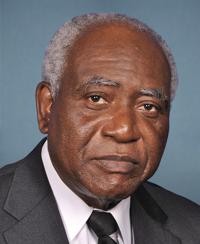
Mr. Speaker, I rise today in strong support of H.R. 2427, the Pharmaceutical Market Access Act of 2003. Those who are debating this bill can be divided into just two separate groups: those who…
Mr. Speaker, I rise today in strong support of H.R. 2427, the Pharmaceutical Market Access Act of 2003. Those who are debating this bill can be divided into just two separate groups: those who support making pharmaceuticals more affordable to Americans, and those who are swayed by the pharmaceutical industry's attempts to maintain astronomical profit margins. I proudly stand with the first group.
You cannot deny the skyrocketing prescription drug costs in this country. The price of the top 50 drugs used by American seniors rose at three and a half times the rate of inflation in 2002. At community clinics, physicians prescribing common antibiotics find that their patients cannot afford them. Americans with diabetes, high blood pressure, and other manageable diseases go without life-preserving medications. Meanwhile, those in other countries pay as little as one tenth what Americans pay for the exact same pharmaceuticals. In Canada, the country's national health care system allows them to negotiate prices with drug companies, substantially reducing costs for Canadians. In their quest for profit, those drug companies raise prices in the U.S. to compensate for lost profits in Canada.
Contrary to our opponents' claims, H.R. 2427 has built-in provisions to ensure the safety of reimported drugs. The new technologies developed to ensure the safety of reimported drugs will also safeguard domestic pharmaceuticals against counterfeiting. Our opponents claim that the FDA fails to adequately monitor the safety of drugs already being imported into the U.S. The answer is not to deny Americans the right to reimported pharmaceuticals, but to hold the FDA accountable for its failures and demand improvement.
Our opponents claim that H.R. 2427 would hurt low-income Americans, in attempts to win more support for their position. In fact, this bill would only provide poor Americans with more access to the medicines they need through cost reductions.
Mr. Speaker, as health care costs rise out of control, we must take every step possible to improve health care for the 41 million uninsured and countless underinsured Americans. I urge you to join me in support of H.R. 2427. Do now allow our opponents, influenced by the pharmaceutical industry, to deny safe, affordable prescription drugs to Americans.
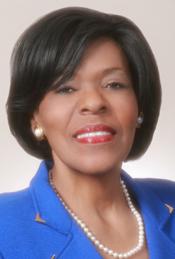
Mr. Speaker, I rise in support of H.R. 2427, the Pharmaceutical Market Access Act of 2003, sponsored by Representatives Gutkneckt and Emerson. I appreciate their hard work and efforts to bring this…
Mr. Speaker, I rise in support of H.R. 2427, the Pharmaceutical Market Access Act of 2003, sponsored by Representatives Gutkneckt and Emerson. I appreciate their hard work and efforts to bring this bill up for debate in this chamber. They have faced considerable obstacles in trying to get this bill considered by this chamber. They are to be commended for their success in having H.R. 2427 debated tonight.
Opponents of this bill suggest that patients whom we intend to help with the passage of this bill will actually be harmed. They charge that they will be vulnerable to purchasing unsafe prescription drugs and that we are encouraging patients to purchase lower-cost drugs from countries that have less stringent regulatory regimes. Opponents are also concerned that the bill repeals language that requires the Secretary of Health and Human Services to certify that reimportation of prescription drugs is safe before any reimportation occurs. There are more objections to the legislation, but I have mentioned the major arguments advocated by the bill's opponents.
Not too long ago a pharmacist from Michigan visited with my Washington staff. He told my staff how seniors would leave his pharmacy in tears because they did not have the resources to purchase their medicine. This is an important issue to seniors. It is an important issue to all Americans because the high cost of prescription drugs is driving many families to dilute prescribed dosages in order to stretch out their prescription orders to make them last longer. If pharmacists were able to purchase drugs, lower costs would be passed on to our seniors and families who are struggling with the high cost of health care.
This is the only opportunity that this Congress will have to vote on legislation dealing with the cost of prescription drugs. I am using this opportunity to support lower drug prices for many Americans. This bill puts people before profits. It puts affordable health care for Americans ahead of profit margins for the pharmaceutical industry. It is time to send the industry and the Administration a message: Americans want affordable drug prices. Support this bill and put people ahead of the profit margins of the pharmaceutical industry.
Mr. Speaker, I rise in opposition to H.R. 2427, Prescription Drug Reimportation legislation. My fear is that this bill will result in a flood of fake foreign pharmaceuticals into our country.…
Mr. Speaker, I rise in opposition to H.R. 2427, Prescription Drug Reimportation legislation. My fear is that this bill will result in a flood of fake foreign pharmaceuticals into our country.
Immediately following 9/11/01, Congress came together in a bipartisan fashion and moved quickly and swiftly to protect our borders, protect our airports, protect our drinking water, our food supply.
Yet the reimportation bill before Congress today would allow the import of unregulated prescription drugs through our borders.
That's why so many groups oppose H.R. 2427. This bill, although well- intentioned, jeopardizes the safety of consumers who use prescription drugs.
Among the opponents to the bill is the Food and Drug Administration. In a letter to Congress, the FDA stated that H.R. 2427 ``would erode the ability of the FDA to fulfill its challenging mission of ensuring the safety and efficacy of the U.S. drug supply.'' The FDA goes on to state it, ``simply cannot support legislation that exposes Americans to greater potential risk of harm from unsafe or ineffective drugs.''
The American Medical Association, who also opposes the bill, stated in a recent letter, ``We believe that H.R. 2427 would be so dangerous to patient safety that we must oppose it.''
From my home state, the Connecticut Medical Society says, ``While we support broader availability of prescription drugs at the lowest price possible, quality must be assured. For the safety of our patients in Connecticut, we respectfully urge you to reject H.R. 2427.''
Our Nation's pharmacists also oppose the measure. The National Community Pharmacists Association says it ``is strongly opposed to any legislation that legalizes and/or encourages the importation of prescription drugs by individuals.''
Mr. Chairman, I believe in listening to the experts. And it's clear that the experts all oppose this unsafe policy.
Instead of supporting a risky reimportation bill, Congress must work harder to bring a cost-effective prescription drug bill to our citizens. American citizens deserve access to safe, effective American drugs.
I urge my colleagues to join me in voting against H.R. 2427.

Mr. Speaker, I rise in opposition to H.R. 2427. Like many of my colleagues, I am greatly alarmed by the negative ramifications of this legislation. This bill threatens continued patient access to…
Mr. Speaker, I rise in opposition to H.R. 2427. Like many of my colleagues, I am greatly alarmed by the negative ramifications of this legislation. This bill threatens continued patient access to safe and regulated prescription drug products, fails to address affordability issues for senior citizens, and violates U.S. drug patent and trade agreements.
This bill directly undermines the current regulatory system to prevent unapproved or otherwise unsafe prescription drugs from entering the U.S. consumer market. It prevents regulating authorities from enforcing drug labeling standards, inspecting the quality and components of imported drugs, verifying that strict safety standards are met, and maintaining market-related drug prices.
In addition, H.R. 2427 fails to provide lower prescription drug costs to patients and senior citizens. According to the congressional Budget Office, the importation program does not result in savings to the federal government or consumers as previously predicted. In fact, CBO reports that if ``manufacturers were unable to limit the supply of drugs entering the U.S. market from Canada, the likely result would be that brand-name prices in Canada would rise much more than the price in the U.S. would decline.''
Finally, this legislation allows the wholesale and individual importation of drugs into the U.S. from Canada even where a U.S. patent exists. This will nullify a patent owner's exclusive right to prevent importation and thereby undermine U.S. patent rights. Further, these provisions breach various U.S. international treaty obligations. By allowing drugs with a U.S. patent to be imported, the provisions violate several free trade agreements to which the U.S. is a party because most require that the owner of a patent be able to prevent third parties from importing the product without their consent.
This legislation would dangerously decrease the overall quality of drug products that consumers purchase, sabotage the regulatory system, and conflict directly with U.S. patent and trade agreements. All without lowering prescription drug prices.
I urge my colleagues to vote ``no'' on H.R. 2427.
Mr. Speaker, in my 13 years in Congress, no issue has made such a deep impression on my constituents than the rising price of prescription drugs. This is an issue for seniors, but high health care…
Mr. Speaker, in my 13 years in Congress, no issue has made such a deep impression on my constituents than the rising price of prescription drugs. This is an issue for seniors, but high health care prices are eroding the living standards of middle-class families across this country. We all have a stake in driving drug prices down.
Last week, the Congress of the United States abrogated its responsibility to address the problem of soaring drug prices. It did worse than nothing, barring the government from negotiating lower prices for seniors.
We can strike a blow for lower prices with a simple step, giving ordinary Americans the choice they are taking on their own out of desperation. It should be legal to reimport drugs from some countries. This alone would save Americans $600 billion in the next decade, savings passed directly on to the consumer. We know that this is a safe option. In 2001, U.S. drug companies reimported $14.7 billion worth of brand name medications from their overseas plants.
This legislation guarantees safety. It not only requires that drugs reimported from other countries are FDA-approved, but that the facilities they are manufactured in are rigorously inspected and approved by the FDA as well. Add to that the requirement that all prescription drugs use counterfeit-resistant packaging, which means every drug purchased here in the United States, reimported or otherwise, will be safer than the drugs that are available today.
The FDA's opposition is one more instance of a regulatory agency becoming captive of the industries they are supposed to regulate. There is no safety issue here. This bill would only allow the importation of FDA-approved drugs manufactured in FDA-approved facilities from 26 designated countries, clearly, a superior system to what we have today in the area of food and drug safety both.
The issue is not safety, I say to my colleagues. The issue is price. It is time that this Congress stop acting as a wholly owned subsidiary of the pharmaceutical companies and step up to its responsibility to help the consumers of this Nation.
I urge my colleagues to support this bill.
Mr. Speaker, as we enter this late night, I am reminded of a show: Things that make you say hmmm. When I think of just the title of this bill and what is referred reimportation of drugs, I say hmmm.…
Mr. Speaker, as we enter this late night, I am reminded of a show: Things that make you say hmmm. When I think of just the title of this bill and what is referred reimportation of drugs, I say hmmm.
Reimportation tries to give the implication that the drugs were manufactured here, gone over, and they are coming back here so, therefore, they are safe. If the issue of safety were not there, what would we be talking about? We are really talking about the reimportation of drugs from many a different country. The FDA, if you just look up at the Web site of the FDA, over the last 5 years they have only inspected labs, labs over the last 5 years. Yet, we say safety is not an issue.
My esteemed colleague from Illinois talked earlier. He said he spoke with the former Secretary of the FDA, Donna Shalala; and she said if the FDA had additional money, maybe they could do this. Well, as indicated, there is no additional appropriations here because the implication is if the FDA does not have the money, they cannot ensure safety of the medicine.
What money will go to the FDA? There is no appropriations to this bill.
Just recently there was a situation that occurred in Florida where 19 individuals were indicted for distributing millions of dollars of counterfeit cancer, AIDS and other drugs. It occurs all over this country. If H.R. 2427 were to pass tonight, this is exactly what the Congress would be encouraging. Yes, we would be encouraging counterfeit drugs, improperly stored drugs, expired drugs, diluted products to enter our borders and to be distributed by qualified individuals, who, when I read the bill, qualified individuals, who they are? They have added, qualified individuals can bring this in, but there is no clear definition of who those qualified individuals are.
Supporting this bill suggests that health and safety warnings, I present, are simply myths. I beg to differ.
I have two pills in my hands. Distinguish between an authentic pill and a counterfeit pill. I ask anybody to just tell me how you, not experts, can determine which is the real one and which one is the counterfeit.
Bill Text
Latest available legislative text
        [Congressional Bills 108th Congress]
[From the U.S. Government Publishing Office]
[H.R. 2327 Introduced in House (IH)]

108th CONGRESS
1st Session
H. R. 2327

To amend the National Trails System Act to extend the Lewis and Clark
National Historic Trail to include additional sites associated with the
preparation or return phase of the expedition, and for other purposes.

_______________________________________________________________________

IN THE HOUSE OF REPRESENTATIVES

June 4, 2003

Mr. Goode (for himself and Mr. Hill) introduced the following bill;
which was referred to the Committee on Resources

_______________________________________________________________________

A BILL

To amend the National Trails System Act to extend the Lewis and Clark
National Historic Trail to include additional sites associated with the
preparation or return phase of the expedition, and for other purposes.

Be it enacted by the Senate and House of Representatives of the
United States of America in Congress assembled,

SECTION 1. SHORT TITLE.

This Act may be cited as the ``Lewis and Clark National Historic
Trail Extension Act of 2003''.

SEC. 2. EXTENSION OF LEWIS AND CLARK NATIONAL HISTORIC TRAIL.

Section 5(a)(6) of the National Trails System Act (16 U.S.C.
1244(a)(6)) is amended--
(1) in the first sentence, by striking ``The'' and
inserting ``(A) The''; and
(2) by adding the following new subparagraph:
``(B) In addition to the route designated in subparagraph (A), the
trail shall be extended to include the route followed by Meriwether
Lewis and William Clark, whether independently or together, in the
preparation phase of the expedition starting at Monticello, located
near Charlottesville, Virginia, and traveling to Wood River, Illinois,
and in the return phase of the expedition from Saint Louis, Missouri,
to Washington, DC. The extended route shall include designated Lewis
and Clark sites in Virginia, the District of Columbia, Maryland,
Delaware, Pennsylvania, West Virginia, Ohio, Kentucky, Tennessee,
Indiana, and Illinois. The Secretary shall complete a general
management plan to include the extended route within three years from
the date funds are first made available for that purpose.''.
<all>