Injured Veterans Benefits Eligibility Act of 2003
Legislative Activity
Stay on top of the latest movement without scrolling through every action
Provision incorporated. See H. R. 1716, Title II, Section 205.
May 13, 2004
View full timeline
Introduced in House
February 13, 2003
Referred to the House Committee on Veterans' Affairs.
February 13, 2003
Referred to the Subcommittee on Benefits.
February 20, 2003
Subcommittee Hearings Held.
April 29, 2004
Provision incorporated. See H. R. 1716, Title II, Section 205.
May 13, 2004
Floor Debate
11 membersWhat members said about H.R. 843 on the floor
 CHS
CHS LE
LE SJL
SJL MHM
MHM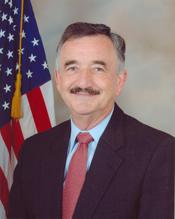 CDR+6
CDR+6
Floor Debate
11 membersWhat members said about H.R. 843 on the floor
Mr. Speaker, I move to suspend the rules and pass the Senate bill (S. 2486) to amend title 38, United States Code, to improve and extend housing, education, and other benefits under the laws…
Mr. Speaker, I move to suspend the rules and pass the Senate bill (S. 2486) to amend title 38, United States Code, to improve and extend housing, education, and other benefits under the laws administered by the Secretary of Veterans Affairs, and for other purposes.
Mr. Speaker, I yield myself such time as I may consume.
Mr. Speaker, I rise in strong support of S. 2486, the Veterans Benefits Improvement Act of 2004. This solid compromise package incorporates 14 benefit bills that have been referred to the House Committee on Veterans' Affairs, this Congress and contains more than 40 substantive provisions. S. 2468 would enhance a wide range of veterans' benefits, including protections for mobilized servicemembers.
I want to draw my colleagues' attention to Title I of this comprehensive bill, which is derived from H.R. 1716, the Veterans Earn and Learn Act. This is a bill that I introduced last year along with the ranking member, the gentleman from Illinois (Mr. Evans), and others.
The Veterans Earn and Learn Act represents the fifth in a series of employment and business opportunities bills that our Subcommittee on Benefits has offered over the last 3 and a half years. The Veterans Earn and Learn Act would significantly update the Montgomery GI Bill on-job training and apprenticeship programs to reflect learning opportunities in American business and industry today. This legislation is Congress's first major rewrite of the on-job training, or OJT, and apprentice policies for veterans since World War II.
Additionally, effective October 1, 2005, Title I includes a 10 percent increase in the monthly educational assistance allowance the VA furnishes to veterans and others pursuing this particular type of training.
The Veterans Earn and Learn Act is timely because almost 200,000 servicemembers and Reservists separate each year, and they would now all be eligible to use these Earn and Learn initiatives to continue to build transferrable skills.
VA's OJT and apprenticeship program is a valuable program for employers as well. Tapping into veterans as a rich resource of skilled and qualified employees is a shrewd business strategy for employers of all sizes. Veterans bring a unique combination of skill, discipline, character and talent to the workplace.
Title II of the compromise focuses on protecting the civilian job benefits of activated Reservists. In light of longer active duty tours, the major provision here would increase from 18 to 24 months the maximum period of employer-sponsored health care coverage that a Reservist-employee may elect to continue to receive.
Title III, Mr. Speaker, focuses on veterans' benefits matters. The key provision of this title is a $250 monthly increase in dependency and indemnity payments for a surviving spouse with children under the age of 18. This increase would be payable for 2 years following the service-connected death of a servicemember or veteran.
Title IV enhances housing benefits for veterans. Among its important provisions is an increase of the maximum VA home loan to 25 percent of the Freddie Mac conforming loan amount for a single family residence. The increase raises from $240,000 to $333,700 the maximum VA home loan guaranty.
I am also pleased that this title makes some needed changes to provide flexibility in VA's administration of Transitional Housing program for homeless veterans. The very first loan under this program should close this month, I would point out to my colleagues, and I am looking forward to several more projects getting under way in the next 6 months.
Title V focuses on protecting some of our most vulnerable veterans and dependents when it is necessary to pay the VA benefits on their behalf to a third party.
This bill also makes improvements to the Servicemembers Civil Relief Act. I am pleased it includes provisions that I had authored, including one to furnish additional protections to servicemembers and their spouses with respect to residential and motor vehicle leases when the servicemember is mobilized or sent to a new duty assignment, sometimes with little advance notice.
Finally, I am especially pleased that one of the sections of Title VIII would allow the principal office of the U.S. Court of Appeals for Veterans Claims to be located at any location in the Washington, D.C., metropolitan area, if that location would allow greater cost efficiencies or a permanent building for the court.
Mr. Speaker, I rise today in strong support of S. 2486, the Veterans Benefits Improvement Act of 2004.
I appreciate the opportunity to work with Arlen Specter and Bob Graham, the distinguished chairman and ranking member, respectively, of the Senate Committee on Veterans' Affairs, in writing this comprehensive legislation. I thank them both for their leadership.
The Veterans' Benefits Improvement Act of 2004 incorporates 14 benefits bills that have been referred to the House Committee on Veterans' Affairs this Congress. S. 2486 contains more than 40 substantive provisions which would enhance programs affecting veterans' education, training, employment, reemployment, compensation and pension, housing, fiduciary, protections for mobilized servicemembers, and other benefits.
Mr. Speaker, I want to draw my colleagues' attention to title one of this comprehensive bill, the Veterans Earn and Learn Act, which is derived from H.R. 1716, introduced by Ranking Member Lane Evans and me and many others.
This section represents the fifth of six measures in a Veterans' Jobs and Business Opportunities package that our Subcommittee on Benefits has authored over the last 3\1/2\ years. I appreciate the vision and bipartisan leadership of Jack Quinn and Bob Filner, followed by J.D. Hayworth and Bob Filner, then Mike Simpson and Silvestre Reyes, and now Henry Brown and Michael Michaud on this package.
Title one of the bill would significantly update the on-job training and apprenticeship programs administered by the Department of Veterans Affairs to reflect learning opportunities in American business and industry today. Indeed, this legislation is Congress' first major rewrite of on-job training, OJT, and apprenticeship policies for veterans since World War II.
Plus, effective October 1 of 2005, the bill would increase by 10 percent the monthly educational assistance allowance that the Department of Veterans Affairs furnishes eligible veterans, dependent widows and children, and Reservists.
The Veterans Earn and Learn title of the bill is timely because 419 military occupational specialties are currently transferable to the civilian economy. Almost 200,000 separating servicemembers per year, including Reservists, would be eligible to use these Earn and Learn initiatives to continue to build transferable skills. This measure represents a unique opportunity for veterans, Reservists, and dependent widows and children to use their VA educational assistance benefits to augment the entry-level wage the employer pays them as they train on the job. As the training wage increases over time, the monthly VA educational assistance allowance decreases.
VA's OJT and apprenticeship program is a valuable program for employers, too. For example, in a 3-year apprenticeship, VA education benefits under this measure would augment the veteran's training wage furnished by the employer by $17,891. In fact, Missouri has documented that VA's on-job training and apprenticeship programs improve employee retention and bring significant federal training dollars to Missouri communities to the tune of $38 million annually. Tapping into veterans as a rich source of skilled and qualified employees is a shrewd business strategy for employers of all sizes, as veterans bring a unique combination of skill, discipline, character, and talent to the workplace.
The monthly OJT/apprenticeship rates vary based on eligibility. But here are some brief examples of the amount of VA educational
program allowances beneficiaries would receive in 1- and 2-year on-job training programs and 3- and 4-year apprenticeships under the Montgomery GI Bill:
A Reservist participating in a 1-year on-job training program as a management trainee in a retail establishment would receive $2,471 over 12 monthly payments.
A widow or dependent child who participates in a 2-year training program as a financial adviser with an investment firm would receive $9,643 over 24 monthly payments.
A veteran who participates in a 3-year apprenticeship program in plumbing would receive $17,891 over 36 monthly payments.
A veteran who participates in a 4-year apprenticeship program as an electrician would receive $22,529 over 48 monthly payments.
Mr. Speaker, it's important to note that on-job training and apprenticeships are excellent, practical ways for veterans to use their VA education benefits, especially for those who are married with families to support. VA education benefits are not limited to classroom training.
Let me now highlight other titles in this comprehensive bill.
Title two focuses on employment matters. A major aspect of this title is a provision to increase from 18 to 24 months the maximum period of employer-sponsored health coverage that an employee covered by the Uniform Services Employment and Reemployment Rights Act of 1994 may elect to continue to receive. This extension of coverage is essential given the longer active-duty tours of our reservists. I commend Representatives Henry Brown and Michael Michaud for their leadership on this issue.
Title three focuses on veterans' benefits matters. A key part of this title is the provision that provides a $250 monthly increase in dependency and indemnity payments for a surviving spouse with children under age 18. These payments are authorized during the 2-year period following the service-connected death of the servicemember or veteran. I commend Chairman Specter and Ranking Member Graham for their leadership on this provision.
Title four enhances housing matters. Among other important provisions, this section of the bill increases the maximum VA home loan to 25 percent of the Freddie Mac conforming loan amount for a single- family residence. It also annually indexes the maximum amount of VA's home loan guaranty for construction or purchase of a home to that Freddie Mac limit. In effect, the increase raises from 240,000 to $333,700 the maximum home loan purchase amount on a VA-guaranteed purchase.
I am also very pleased this section makes some small needed changes the Department of Veterans Affairs has asked for to provide greater flexibility in its administration of the Transitional Housing program. I was pleased to work with VA in this regard so as to make the Transitional Housing program as effective as possible.
Title five focuses on fiduciary matters to protect our more vulnerable veterans and dependents when they require a third party payee to receive VA benefits on their behalf. These provisions are the result of 2 hearings held by the Subcommittee on Benefits, and I commend Representatives Henry Brown and Susan Davis for their work on this section of the bill.
Title six addresses various memorial affairs issues, including designating a monument constructed at the Riverside National Cemetery in Riverside, CA, as a Prisoner of War/Missing in Action National Memorial.
Title seven makes various improvements to the Servicemembers Civil Relief Act. I am very pleased this section of the bill includes the provision I authored to furnish additional protections to servicemembers and their spouses with respect to residential and motor vehicle leases. This provision modifies section 305 of the Servicemembers Civil Relief Act to address the reality of servicemembers having to terminate leases due to longer-term mobilization or deployment. This provision clarifies that if a servicemember terminates a lease entered into jointly with a dependent--usually the spouse--the obligations of both the servicemember and the dependent are terminated. This affords military families the additional protections they need when the servicemember is mobilized to a new duty assignment--sometimes with little advance notice--and the family, too, must relocate.
Lastly, title eight addresses other important matters. I am pleased this section authorizes that the principal office of the U.S. Court of Appeals for Veterans Claims to be located at any location in the Washington, DC, metropolitan area. Another location may furnish greater cost efficiencies for the court.
In closing, I thank Chairman Brown and Ranking Member Michaud for their leadership and continued bipartisan cooperation. I'd also like to thank the staff on both sides of the aisle in the House and Senate Committees on Veterans' Affairs for their diligent work in bringing this bill to the floor.
Mr. Speaker, I urge my colleagues to support S. 2486.
Mr. Speaker, for the benefit of my colleagues, the following is a joint explanatory statement describing the compromise agreement we have reached with the other body and a letter from the Committee on the Judiciary concerning S. 2486 and our committee's response.
Explanatory Statement on Senate Amendments to S. 2486
S. 2486, as amended, the ``Veterans Benefits Improvement
Act of 2004,'' reflects a Compromise Agreement reached by the
Senate and House Committees on Veterans' Affairs (the
Committees) on the following bills reported during the 108th
Congress: S. 2485, as amended; S. 2486, as amended; and S.
1132, as introduced (Senate Bills); H.R. 1716, as amended;
H.R. 3936; H.R. 4175, as amended; H.R. 4345; and H.R. 4658,
as amended (House Bills).
The Senate and House Committees on Veterans' Affairs have
prepared the following explanation of S. 2486, as amended
(Compromise Agreement). Differences between the provisions
contained in the Compromise Agreement and the related
provisions of S. 2485, as amended; S. 2486, as amended; S.
1132, as introduced; H.R. 1716, as amended; H.R. 3936; H.R.
4175, as amended; H.R. 4345; and H.R. 4658, as amended; are
noted in this document, except for clerical corrections,
conforming changes made necessary by the Compromise
Agreement, and minor drafting, technical, and clarifying
changes.
Mr. Speaker, I yield such time as he may consume to the gentleman from South Carolina (Mr. Brown), who has been a great workhorse on this committee. As I indicated earlier, this bill alone has some 40 disparate provisions. It encompasses over 14 bills. The gentleman, as the subcommittee chairman, has walked point on all of this; and I want to thank the distinguished chairman for his very able and very effective leadership as subcommittee chairman.
Mr. Speaker, I yield such time as he may consume to the gentlewoman from Florida (Ms. Ginny Brown-Waite), a distinguished member of our committee.
Mr. Speaker, we reserve the balance of our time.
Mr. Speaker, I yield 2 minutes to the gentleman from Maine (Mr. Michaud), my good friend and colleague, to allocate as he would like.
Mr. Speaker, I reserve the balance of my time.
Mr. Speaker, I continue to reserve the balance of my time.
Mr. Speaker, I yield 2 minutes to the gentlewoman from Texas (Ms. Jackson-Lee) as well.
Mr. Speaker, I yield myself such time as I may consume to say once again that this is a good bill. As a matter of fact, it is a very, very important bill. And I do want to thank my friend, the gentleman from Illinois (Mr. Evans), and the gentleman from South Carolina (Mr. Brown), our distinguished subcommittee chairman, who has done yeoman's work on this, and also the gentleman from Maine (Mr. Michaud), who is the ranking member on that subcommittee. This has been a true bipartisan product. I think when President Bush signs this piece of legislation we can all be very, very proud.
I also want to join my friend from Texas in thanking the gentleman from
Texas (Mr. Rodriguez) for his outstanding and exemplary work in the Congress for the past 8 years, and he certainly has put veterans first. So again I want to thank him for his work as well.
Mr. Speaker, I yield back the balance of my time.
Mr. Speaker, I rise in strong support of S. 2486. This legislation includes a number of measures to improve the lives of this Nation's veterans and their families. I also want to thank the gentleman…
Mr. Speaker, I rise in strong support of S. 2486. This legislation includes a number of measures to improve the lives of this Nation's veterans and their families.
I also want to thank the gentleman from New Jersey (Mr. Smith), the chairman of committee, and the gentleman from South Carolina (Mr. Brown) and the gentleman from Maine (Mr. Michaud), the chairman and ranking member of the Subcommittee on Benefits, and both of their staffs for their hard work in bringing this legislation to the floor.
In particular, I also want to acknowledge the work and contribution of Pat Ryan, who is retiring from the committee after many years of service.
I also want to thank the members of the other body, Senator Specter and Senator Graham and their staffs for the contributions made to this bill.
Mr. Speaker, today, we recognize the sacrifices of the men and women in uniform who served our Nation. By passing this important legislative package, this bill honors their service and provides them with the care that they have earned.
As is the committee's custom, this bill incorporates a large number of provisions from bills introduced by other Members from both sides of the aisle in both bodies. The House Committee on Veterans Affairs has a long-standing record of working in a bipartisan manner, and I am glad that we have the
gentleman from New Jersey's (Mr. Smith's) leadership on his side, who has worked together with us on our side so that we can continue this practice.
I am very pleased to be a sponsor or an original cosponsor of many of the other bills which were incorporated into this package and look forward to their implementation.
Mr. Speaker, we can finalize the committee's work for this Congress. We have many accomplishments that we can be proud of, and I want to thank the chairman and members of the committee for working so hard and dedicating our work to our Nation's veterans. I urge all Members to vote for this legislation.
Mr. Speaker, I rise in strong support of S. 2486, a legislative package encompassing a number of important measures to assist this nation's veterans and their families.
I would like to thank the Chairman of our Committee, Chris Smith, and the Chairman and Ranking Member of the Benefits Subcommittee, Henry Brown and Mike Michaud, and their staffs for their work in bringing this important legislation to the floor.
I also want to thank the Members of the other body, Senator Specter and Senator Graham and their staffs for their contribution to this bill.
Mr. Speaker, it is incumbent upon us to recognize the many sacrifices of the brave men and women in uniform who have so gallantly served our Nation. We do so by passing legislation honoring their service and providing them with the benefits they surely have earned.
As is the Committee's custom, this bill incorporates a large number of provisions, from bills introduced by Members from both sides of the aisle and both bodies. The House Veterans' Affairs committee has a long-standing tradition of working in a bipartisan manner and I am proud that we have continued this practice as exhibited in this bill. I thank the Chairman for his leadership in continuing this tradition. This bill is truly the product of a bipartisan, bicameral effort.
I am very pleased to be a sponsor or an original cosponsor of many of the bills which were incorporated into this measure. These provisions will improve the quality of our life of our Nation's veterans and their families. It honors their service and sacrifice to this country.
Mr. Speaker, Congress has made important strides in providing quality educational assistance to servicemembers, veterans and their families; however, we have not made similar progress with respect to the job training and vocational programs available under the Montgomery G.I. Bill. Accordingly, S. 2486, as amended, is a strong step in the right direction in the job training and economic development area.
Specifically, this bill includes important provisions that would modernize, enhance and encourage greater participation in the on-job training and apprenticeship programs administered by the Department of Veterans Affairs (VA). It is important for veterans to be able to use the Montgomery G.I. bill education benefits for academic courses leading to a degree. I used VA education benefits to further my own education upon leaving military service. It is, however, just as important for the future electricians, plumbers, auto mechanics and other skilled workers to be able to effectively use the Montgomery G.I. Bill to fulfill the training and certification requirements they may need to prepare them to transition to the civilian workforce and contribute to society. The Committee worked diligently to ensure that these provisions accurately reflect contemporary industry and labor practices. We also worked with the VA to address its administrative concerns regarding these provisions. More important, Mr. Speaker, these provisions will provide veterans with improved job-training skills and opportunities under the Montgomery G.I. Bill.
I am pleased to support in the bill a measure brought forth by the other body which will allow an additional 10-year period for those Gold Star Wives and the surviving widowers of men and women who die during military service to use their education benefits. Men and women who die during military service are often in their early twenties and leave behind young children. By providing an additional 10 years, we will allow those surviving spouses an opportunity to raise their children before resuming their education. We have learned that this benefit is underutilized because surviving spouses are reluctant to resume their education while raising young children.
The bill recognizes the need for continued health insurance for those members of the Guard and Reserve who are called up for increasing periods of time. Therefore, a provision is included allowing these reservists to maintain employer-sponsored health insurance for 24 months, 6 months longer than that provided by current law.
I am pleased that a measure introduced by my good friend, the gentleman from Massachusetts, Mr. McGovern, is included. He recognized that one of the biggest obstacles to effective utilization of employment-related rights for returning servicemembers is the lack of information concerning those rights. The bill requires the Department of Labor to provide employers with a notice of employee rights under the Uniformed Services Employment and Reemployment Rights Act, known as USERRA, and requires employers to post those notices.
S. 2486, as amended, also includes a provision requiring a study and report on employment, retention and advancement in employment of former servicemembers. This study and report will provide valuable information and assist Congress in our efforts to do all we can to facilitate the transition of servicemembers to the civilian workforce and promote veterans' employment opportunities generally.
Several years ago, an evaluation of VA's programs for survivors found that surviving spouses of veterans who have children and who receive Dependency and Indemnity Compensation (DIC) need an additional $250 per month to maintain the same standard of living as DIC recipients without children for the first 5 years after the veteran's death. I joined the Ranking Member of the Benefits Subcommittee, Mike Michaud and others in introducing H.R. 1750 to implement that recommendation. I am pleased that the bill will provide the increased benefit to DIC recipients for the first 2 years following eligibility. I regret that funding was not available to provide benefits for a longer period. Nonetheless, this is an important step in implementing the evaluation's recommendations and providing for the widows and widowers who have borne the battle and their children.
I am particularly pleased that included within this bill are provisions that would codify current VA regulations regarding additional cancers recognized as presumptively service connected under the ``Atomic Veterans'' program, and repeal a bar that prevents a veteran or survivor from applying for VA compensation, subject to an offset, if they have already received compensation from the Justice Department under the Radiation Exposure Compensation Act. As the son of a veteran who was exposed to ionizing radiation in the Pacific, I have long been an advocate for the ``Atomic Veterans'' program and will continue my efforts to recognize and honor their often dangerous confidential service in defense of this country.
Additionally, Mr. Speaker, I support the provision of this bill which will exclude VA life insurance proceeds from being counted as income for those very low-income survivors of wartime veterans. Currently, those who have an effective advocate are able to time their request for death pension in a manner which will allow them to give up a few months of death pension benefits in order to keep the veteran's life insurance proceeds. Those without effective advocacy often lose a year of benefits. We care for the widow and widower of those who have borne the battle by providing a simple solution to the problem identified by VA in current law.
Veterans who are disabled by reason of VA medical treatment or vocational rehabilitation activities qualify for cash benefits and grants for specially adapted housing. They are, however, denied grants for automobiles and other motor vehicle adaptations. A provision drawn from a bill introduced by Mr. Reyes and myself will not allow such veterans to obtain an automobile grant.
Veterans who have lost the use of their arms do not currently qualify for specially adapted housing. I joined Mr. Michaud in introducing a bill to permit such veterans to qualify for this benefit and am pleased this bill includes a provision drawn from that bill.
This bill will significantly improve VA's home loan program, including home loans for Native Americans. I am pleased that provision from bills introduced by Mrs. Davis of California and the newest Member of our Committee, Ms. Herseth of South Dakota, are included in the final bill.
VA's most vulnerable veterans are those who require a fiduciary to handle their financial benefits. I joined Mrs. Davis of California in introducing legislation to provide improved protections for beneficiaries whose benefits are misused by fiduciaries. This bill contains a number of important provisions drawn from H.R. 4032.
The bill also makes a number of improvements to the Servicemembers Civil Relief Act which was substantially rewritten in the first session of this Congress.
Mr. Speaker, many provisions from this comprehensive package are drawn from bills which have been considered by the House Committee on Veterans Affairs. The bill has been enhanced and improved by measures considered by the other body. As we finalize the Committee's work for this Congress we have many accomplishments of which we can be proud.
Again, I want to thank Chairman Smith for his leadership and his dedication to serving our nation's veterans. This is an excellent bill which will make a difference in the lives of this nation's veterans and their families. I urge all Members to show their support for the men and women who have worn the uniform in defense of our country by voting to pass this legislative package.
Mr. Speaker, I think this is a very important moment on this floor, and I think that we owe this entire committee a debt of gratitude; the chairman, the gentleman from New Jersey (Mr. Smith); the…
Mr. Speaker, I think this is a very important moment on this floor, and I think
that we owe this entire committee a debt of gratitude; the chairman, the gentleman from New Jersey (Mr. Smith); the ranking member, the gentleman from Illinois (Mr. Evans); certainly to the chairman of the subcommittee, the gentleman from South Carolina (Mr. Brown). I thank the gentleman from Maine (Mr. Michaud) for yielding me this time. And, of course, on the health bills that I will speak very briefly to, our ranking member, the gentleman from Texas (Mr. Rodriguez) and the gentleman from Connecticut (Mr. Simmons).
Mr. Speaker, let me say why I think it is important that Members owe these colleagues a debt of gratitude. There is not one district that does not confront the dilemma of a veteran. There is not one district that does not owe to those veterans appreciation and applause. Many times we find those families and the veterans wondering about the concern and the commitment of this body or of their fellow Americans for the work they have done.
In the backdrop of Veterans Day, I want to acknowledge both the chairman and the ranking member of the full committee, who are always steadfast in reminding us not to forget the veterans. This comprehensive Veterans Benefits Improvement Act is a gift long overdue. And the reason I say that is because I represent the Veterans Hospital in Houston, Texas, and among the issues that we are concerned about, in addition to taking care of the health needs of those veterans, there are the psychological needs and the employment needs.
Americans need to know that this legislation is now going to deal head-on with the large unemployment that we find among veterans, and returning veterans. For a number of years, Mr. Speaker, I have worked with an organization called Stand Down, which works with our communities' homeless veterans. Whenever I go to Stand Down, the veterans simply say, all we want is an opportunity; all we want is to be able to be apprentices, as this particular bill is doing; all we want is to be able to have full-time VA monthly educational assistance, as this bill is doing; all we want is to have competency-based apprenticeships; all we want is for our families to have increased benefits and to show our pride in our Nation and also to make our Nation again proud of us.
So I want to thank my colleagues for this legislation, and I add my appreciation as well as someone who represents the veterans hospitals for the legislation that deals with S. 2484, the Department of Veterans Affairs Health Care Personnel Enhancement Act, and as well the Veterans Health Programs Improvement Act of 2004. What this does is of course say to our veterans that we care.
Let me also say to my colleagues that I spent some time in Iraq just a few weeks ago, and visited, after going to Iraq, the Landstuhl Hospital in Ramstein, where there were a number of injured soldiers, many of them who will be returning veterans. I want my colleagues to know that what they wanted most of all was to return to conflict, to combat, to be with their comrades as soldiers. But they were grateful, as returning veterans, that we would show them that we care, and today we are showing them we do so. We could not have done it without the leaders of this committee.
So, Mr. Speaker, I am today thanking them, and as I close, I want to add a very special appreciation for a dear friend of this House and a dear friend of veterans in the United States of America, and that is our friend and colleague, the gentleman from San Antonio, Texas (Mr. Rodriguez).
I cannot say enough, Mr. Speaker, about the compassion of Ciro Rodriguez. I cannot say enough about the kindness and the caring attitude that he has exhibited to his colleagues and friends on the floor of this body. More importantly, I cannot say enough about his voice of reason when challenging the system for health care for all Americans, but clearly challenging the system for health care for our veterans. He demonstrated such a cooperative spirit with his own chairman, the gentleman from Connecticut (Mr. Simmons), and I know they had a special bond and a special friendship in working together.
We know that health care for our veterans is an indication to their families and an indication to veterans and the enlisted personnel as to how much America thanks them and how much America recognizes their sacrifice. We could not have done it without the face of Ciro Rodriguez going out day after day visiting with his own veterans, speaking across the country, speaking as the chairman of the Congressional Hispanic Caucus, and recognizing the importance of thanking our veterans in a real meaningful way by the legislation he has helped to produce.
Might I also thank him for his support in providing posthumous citizenship to those who lost their lives in Afghanistan and Iraq, to those who were not citizens but who came from our immigrant community. Ciro, we owe you a debt of gratitude. It is my honor and privilege to have served with you. The veterans of America will thank you continuously as they rise again to serve their country and in their daily lives, and their families owe you also a debt of gratitude. Thank you again, my friend. We wish you the very best. We honor you as you honor the veterans.
Mr. Speaker, I thank each and every one of the members of this committee for allowing this body to thank the veterans by this legislation. I ask my colleagues to support all the legislation on the floor for the veterans of America.
I rise today as a strong supporter of S. 2486, the Veterans' Benefits Improvements Act of 2004, which received unanimous approval in the Senate and is now before this body for passage. The Veterans' Benefits Improvements Act would improve and enhance education, housing, employment, medical, and other benefits for veterans.
As a Member of this body I have always been an ardent supporter of our Nation's brave veterans and of the idea that they should receive the best of care and support that our Nation has to offer. I am heartened by this legislation because it takes steps toward improving opportunities that veterans can receive as a condition of their service.
I am especially pleased to find provisions in this legislation that will increase education opportunities for Armed Service members after they leave the Armed Forces. Specifically, the Veterans' Benefits Improvements Act increases the voluntary contribution amount that active duty members of the Armed Forces may make in order to receive increased monthly educational assistance under the Montgomery GI Bill. This additional assistance can very well mean the difference between whether our veterans will be able to afford an education. Furthermore, this legislation excludes veterans' education benefits from the determination of eligibility for, or the amount of, Federal education grants and loans. This is an important distinction because veterans education benefits have been earned through service and should not count against any other aid an individual may be able to receive due to their level of financial hardship. These provisions together will provide more opportunities for our veterans to attend institutions of higher learning and obtain high paying career jobs after they leave the Armed Forces.
The Veterans' Benefits Improvements Act also provides important housing provisions for our Nation's deserving veterans. This legislation calls for increasing the maximum housing loan guarantee amount for which veterans are eligible. As well, the legislation gives power to the Secretary for permanent authority to guarantee adjustable rate mortgages (ARMs) and hybrid ARMs, and to modify interest rates applicable to hybrid ARMs. These important housing provisions will make it easier and more likely for our veterans to purchase suitable housing for themselves and their families.
While The Veterans' Benefits Improvements Act contains a large number of different provisions, this legislation is really about providing our veterans with the ability to improve their lives once they leave the Armed Forces. These men and women left their civilian lives behind to serve our Nation; we owe it to them to allow them to improve their lives once they return to civilian status.
Mr. Speaker, I yield myself such time as I may consume. Mr. Speaker I rise in strong support of S. 2486, the Veterans Benefits Improvement Act of 2004. I would like to thank the ranking member, the…
Mr. Speaker, I yield myself such time as I may consume.
Mr. Speaker I rise in strong support of S. 2486, the Veterans Benefits Improvement Act of 2004. I would like to thank the ranking member, the gentleman from Illinois (Mr. Evans), and the gentleman from New Jersey (Mr. Smith) for their leadership on this legislation and my good friend and colleague on the Subcommittee on Benefits, the gentleman from South Carolina (Mr. Brown). I have enjoyed working with him during this Congress.
I was proud to join Members on both sides of the aisle in introducing provisions to help our veterans and servicemembers and their families. It is good to see that work contained in this final bill.
This legislation demonstrates the bipartisan nature of the Committee on Veterans Affairs and our ability to work together for the good of our Nation's veterans. The Members and staff of both sides of the aisle also should be recognized for their efforts in putting legislation together.
Finally, I would like to acknowledge the good work done by the other body. Senator Specter and Senator Graham and their staffs worked diligently to bring this bill forward. It has been a bipartisan and bicameral effort. Our Nation's veterans and their families would be better off with this legislation.
S. 2486 is a comprehensive bill drawn from a number of provisions that came before our committee. I would like to take a moment to point out just a few.
Many of the provisions in Title I, the Veterans Earn and Learn Act of S. 2486, are drawn from H.R. 1716. Title I will provide improved benefits and job assistance for future skilled workers as they leave military service. The gentleman from South Carolina (Mr. Brown) introduced and I was happy to support a provision to extend eligibility of employer-sponsored health care coverage to Reservists who have been activated for up to 24 months of active service. This provision is found in section 201 of the bill.
Section 2111 drawn from a bipartisan H.R. 4173 provides for a report of employment placement, retention and advancement of recently separated servicemembers.
I am also pleased that the other body included provisions similar to H.R. 1750 to increase by $250 the amount of dependency and indemnity compensation benefits received by surviving spouses with children under age 18 for the first 2 years of eligibility. The ranking member, the gentleman from Illinois (Mr. Evans), has been a long-time advocate for our Nation's disabled veterans and their families.
S. 2486 contains provisions drawn from the Evans bill, H.R. 4172, to codify certain disabilities as presumptive disabilities for atomic veterans and to provide an offset rather than a bar to benefits when an atomic veteran or survivor receives benefits under the Radiation Exposure Compensation Act.
I would like to thank the gentleman from New Hampshire (Mr. Bradley) for the opportunity to join with him in introducing H.R. 2163 to equalize the position of surviving spouses who receive death pension benefits and who are also the beneficiaries of veterans' life insurance. The provisions of H.R. 2163 are contained in section 303 and 305 of this bill.
The Veterans Benefits Improvement Act of 2004 includes a provision that is drawn from my bill, H.R. 2612, to allow veterans who have lost or lost the use of both arms at or above the elbow due to a service- connected disability to receive a special adaptive housing grant. This will provide needed assistance to those veterans currently being disabled in Iraq and Afghanistan as well as veterans of former wars, such as James Moore of Lincoln, Nebraska, who contacted the committee concerning this issue.
The gentlewoman from California (Mrs. Davis) has been a leader on our committee for veterans' housing issues, and her work is reflected in S. 2486. Section 103 is drawn from her bill, H.R. 4616, and provisions from the Senate to extend the authority for hybrid adjustable mortgages.
S. 2486 will also benefit Native American veterans in my State and across the country. The Pleasant Point and Indian Township Passamoquody Tribe of Maine has entered into a memorandum of understanding to participate in the VA's Native America Home Loan pilot project. The newest member of our committee, the gentlewoman from South Dakota (Ms. Herseth), introduced H.R. 5153 to extend this program. That provision is included as section 406 of this bill.
The gentlewoman from California (Mrs. Davis) has also been a leader in working to protect our most vulnerable veterans, and I was pleased to join her in introducing H.R. 4032 to improve protection and remedies in the event of fiduciary misuse. Many of the provisions of H.R. 4032 are included in Title V of the Veterans Benefit Improvement Act of 2004.
Mr. Speaker, as you can see, there has been a great deal of bipartisan support put together in this bill. S. 2486 will improve the lives of veterans of today and provide a sense of security for those servicemembers who are risking their lives all around the world. I urge all Members to support this bill.
Mr. Speaker, I reserve the balance of my time.
Mr. Speaker, I yield 2 minutes to the gentleman from Illinois (Mr. Evans), the ranking member of the committee.
Mr. Speaker, how much time do I have remaining?
Mr. Speaker, I yield 3 minutes to the gentleman from Texas (Mr. Rodriguez).
Mr. Speaker, I yield 3 minutes to the gentlewoman from California (Mrs. Davis).
Mr. Speaker, I yield 2 minutes to the gentlewoman from South Dakota (Ms. Herseth).
Mr. Speaker, I yield 2 minutes to the gentlewoman from California (Ms. Waters).
(Ms. WATERS asked and was given permission to revise and extend her remarks.)
Mr. Speaker, I yield myself such time as I may consume, before yielding to my last speaker, to thank our chairman, the gentleman from New Jersey (Mr. Smith); the subcommittee chairman, the gentleman from South Carolina (Mr. Brown); and our ranking member, the gentleman from Illinois (Mr. Evans), as well as the committee staff on both sides of the aisle for all the hard work that they have done in the Committee on Veterans' Affairs over the last 2 years.
Mr. Speaker, I yield the balance of my time to the gentlewoman from Texas (Ms. Jackson-Lee).
Mr. Speaker, I yield back the balance of my time.
Mr. Speaker, I rise today in support of S. 2486, the Veterans Benefit Improvement Act, and I would like to take this opportunity to thank the gentleman from New Jersey (Chairman Smith), as well as…
Mr. Speaker, I rise today in support of S. 2486, the Veterans Benefit Improvement Act, and I would like to take this opportunity to thank the gentleman from New Jersey (Chairman Smith), as well as the gentleman from Illinois (Ranking Member Evans) and the gentleman from Maine (Mr. Michaud), the ranking member of the Subcommittee on Benefits, for their leadership in this particular issue.
One of the best things about being a member of this committee is the ability to pass a comprehensive bill, a benefits bill, every year while keeping on with the PAYGO provisions.
Although I was worried this particular year that that might not happen, I am glad that our colleagues in the Senate and the staff of our committees worked out this compromise.
Mr. Speaker, this bill has many wonderful provisions that would enhance the benefits of our veterans, National Guardsmen and their families receive, including additional educational benefits.
With passage of this particular piece of legislation, veterans will be able to use their Montgomery GI bill for apprenticeships and on-the- job training, as well as national admissions exams.
I am very pleased that this bill acknowledges the rewards and sacrifices many of our Reservists are making. With the passage of this particular piece of legislation, those men and women, Reservists who are called to active duty for more than 24 consecutive months, will be able to pay into the GI bill and become eligible for benefits.
This bill also includes some enhanced VA home loan language, which I know the gentlewoman from California (Mrs. Davis), my colleague, has been advocating for.
Like all Americans, our veterans dream of obtaining the American dream of homeownership. Our veterans have fought selflessly on behalf of our country and are entitled to the benefits we have promised them, including home loan benefits. Unfortunately, for many, this dream is faced with many obstacles.
The current VA home loan limit of $240,000 prevents many veterans from using their loan benefits to purchase a home in high-cost areas, such as in California or Florida and parts of the State of Texas. This legislation indexes the maximum loan amount to 100 percent of the Freddie Mac conforming loan rate to make the VA home loans compatible with the home loans available to the public nationwide. Additionally, this legislation allows the maximum VA loan amounts to adjust automatically each year to Freddie Mac standards in order to remain compatible with the national housing markets.
This legislation is extremely important. During 2003, 3 million veterans took advantage of the VA home loans, and I am positive more veterans will be able to take advantage of this particular benefit because of the improvements we are making today. As our troops are fighting in Iraq and Afghanistan, we must continue to show them the thanks of a grateful Nation.
I cannot think of a better way of saying thank you than improving the benefits of our soldiers, and so by this particular legislation, although there are many benefits we would like to take advantage of for our veterans, I am glad that the committee has been able to work with the money to make this happen.
Show 6 more
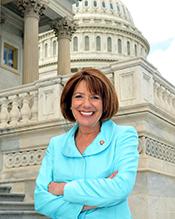
Mr. Speaker, with another Veterans Day recently passed, we heard much about the incredible sacrifices made by America's veterans and their tremendous bravery. I strongly echo those sentiments.…
Mr. Speaker, with another Veterans Day recently passed, we heard much about the incredible sacrifices made by America's veterans and their tremendous bravery. I strongly echo those sentiments.
Because our courageous military personnel are willing to go into battle and sacrifice on our behalf, America's independence and liberties have remained intact for over 200 years, and we are truly indebted to those who fought in the Armed Forces.
However, Mr. Speaker, I strongly feel that we must honor these brave men and women with more than our words. After risking everything on our behalf, our veterans ask only that we work to improve the services they earned through their dedication and their bravery.
This is why the Veterans Benefit Improvement Act of 2004 before us today greatly enhances the services we provide to our military heroes. It increases the compensation we provide to surviving spouses and their children; gives veterans new opportunities to receive vocational training when leaving the military; and protects the civilian jobs of Reservists deployed overseas.
I was very honored, Mr. Speaker, by the opportunity to contribute directly to this comprehensive benefits legislation.
During my first term in Congress, I became interested in improving the home loan program offered by the Department of Veterans Affairs and introduced H.R. 1735 and cosponsored H.R. 4345, which increases the home loan limit available to veterans. I also introduced H.R. 4616 to offer adjustable-rate mortgages through the VA program.
Our veterans certainly deserve the same opportunity for home ownership as the public at large and the freedom to choose which loan will best meet their needs.
This legislation links the VA home loan amount to the Freddie Mac index to guarantee annual increases, and at the same time, it extends a program offering veterans the freedom to choose a fixed-rate or an adjustable-rate mortgage.
It is particularly helpful and a real victory for those veterans in San Diego because we are a high-cost area.
Additionally, S. 2486 provides new protections from fraud and abuse to a vulnerable class of veterans who require a guardian or fiduciary to oversee their finances and VA payments.
My staff in San Diego tried to assist a veteran who lost out on his VA disability compensation over a long period of time because his fiduciary had withheld payment for herself. Unfortunately, we could not recover the veteran's losses because current law did not provide revenues to recoup stolen payments.
After learning about this abuse, we introduced H.R. 4032 to give the VA the authority to conduct more thorough background checks of fiduciaries and to give veterans who fall victim to this abuse new revenues to recover their losses, and I am pleased these provisions were included in the legislation before us today.
I want to thank the House leadership for bringing this comprehensive veterans benefits package before the Congress and for acting in the interest of our former service members, and I urge my colleagues to support it.
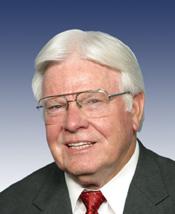
Mr. Speaker, I thank the gentleman for his kind remarks. Mr. Speaker, I rise today in strong support of S. 2486, the Veterans Benefit Improvement Act of 2004. We have been working on this…
Mr. Speaker, I thank the gentleman for his kind remarks.
Mr. Speaker, I rise today in strong support of S. 2486, the Veterans Benefit Improvement Act of 2004. We have been working on this comprehensive bill throughout the 108th Congress, like our chairman said. I commend the Committee on Veteran's Affairs leadership for bringing it to the floor today.
It incorporates 14 separate House bills and comprises 43 substantive provisions. Countless servicemembers, veterans and their families will directly benefit from S. 2486. Likewise, Mr. Speaker, by significant enhancing and modernizing the VA on-the-job training and apprenticeship programs for veterans, American businesses and industry will feel the positive effects of this bill, as well as 858 civilian occupations offer apprenticeships. These improvements can be especially useful to American small businesses, the bedrock of our economy.
I would like to briefly note Title V of the bill, which addresses the needs of our most vulnerable veterans, those who require a fiduciary to handle monetary benefits received from the VA. It is an unfortunate fact that when someone is responsible for another person's money, temptations may arise to take advantage of that position, ultimately to the detriment of the person being assisted. S. 2486 would add protection for incompetent veterans or dependents when their benefits are misused.
Currently, over 100,000 veterans, widows or adult helpless children and minors have an appointed fiduciary. While VA overall does a good job of protecting this population, S. 2486 addresses many of our concerns with the fiduciary program.
Mr. Speaker, I applaud the gentleman from New Jersey (Mr. Smith), our great chairman, and the gentleman from Illinois (Mr. Evans), the ranking member, for their continuing foresight and leadership, as well as my great friend, the gentleman from Maine (Mr. Michaud), the ranking member of the Subcommittee on Benefits.
In addition to the Subcommittee on Benefits as a whole, I thank the members of the committee who worked with the gentleman from Maine (Mr. Michaud) and myself for bringing the bill forward.
The full committee's vice chairman, the gentleman from Florida (Mr. Bilirakis), the gentlewoman from Florida (Ms. Ginny Brown-Waite), the gentlewoman from California (Mrs. Davis), the gentleman from New Hampshire (Mr. Bradley), the gentleman from Texas (Mr. Reyes); indeed, this has been a team effort.
I also want to thank the Subcommittee on Benefits staff on both sides of the aisle.
Mr. Speaker, I urge my colleagues to support the Veterans Benefit Improvement Act of 2004.
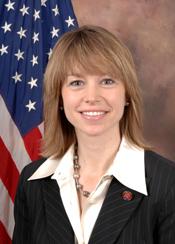
Mr. Speaker, I rise in support of the veterans bills being considered today and to thank and congratulate my colleagues, especially the gentleman from New Jersey (Chairman Smith), the gentleman from…
Mr. Speaker, I rise in support of the veterans bills being considered today and to thank and congratulate my colleagues, especially the gentleman from New Jersey (Chairman Smith), the gentleman from Illinois (Ranking Member Evans), the gentleman from South Carolina (Mr. Brown) and the gentleman from Maine (Mr. Michaud) and their staff for their hard work and commitment to these important bills. I want to commend the gentleman from Texas (Mr. Rodriguez), my colleague and friend, as well for his distinguished service on the Committee on Veterans Affairs.
I express my strong support today for the Veterans Benefits Improvement Act which includes two measures I introduced earlier this year to extend important veterans programs scheduled to expire.
The first of these measures is a provision to extend to 2010 the Veterans Administration's Native American Home Loan pilot program. This program directs home loans to eligible Native American veterans who wish to purchase, construct or improve a home on tribal trust lands. This extension will allow more veterans living on tribal trust lands to take advantage of this important benefit over the next 6 years.
Since the inception of this pilot program in 1992, the Department of Veterans Affairs has made more than 400 direct loans to Native American veterans, including loans to 17 veterans from my State of South Dakota. These loans are important tools for helping Native Americans purchase, construct or improve homes in Indian country.
The second measure which I introduced extends to 2009 the requirement that the Advisory Committee on Former Prisoners of War submit biennial reports to the Secretary of Veterans Affairs on the programs and activities of the Department of Veterans Affairs that pertain to former prisoners of war.
The Advisory Committee on Former Prisoners of War reviews Department policies and makes suggestions to improve compensation, rehabilitation programs and health care benefits for former POWs. Passage of the Veterans Benefits Improvement Act would require reports from the Advisory Committee on former POWs every 2 years through 2009, a 5-year extension of current law.
Thanks again to my fellow members of the Committee on Veterans Affairs and all staff for their work on these important bills. At a time in our Nation's history when we are asking men and women in our Armed Forces for greater sacrifices, we must make sure we provide the services promised to our veterans. I look forward to supporting these measures and continuing to work with my colleagues to ensure they receive the benefits they have earned and deserve.
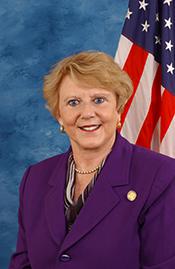
Mr. Speaker, I thank the gentleman very much for the time. I am very pleased to support Senate 2486, the Veterans Benefit Improvement Act of 2004, and I am glad we got it finished this year. I know…
Mr. Speaker, I thank the gentleman very much for the time.
I am very pleased to support Senate 2486, the Veterans Benefit Improvement Act of 2004, and I am glad we got it finished this year. I know that there was some question about whether or not we would have time to get this very important bill up, and I certainly commend the gentleman from New Jersey (Mr. Smith), the chairman, and the gentleman from Illinois (Mr. Evans), the ranking member, for their efforts on behalf of veterans, along with all the members of the committee who are truly dedicated to America's heroes.
This bill includes an expansion of educational benefits for veterans and clarifies protections to servicemen and -women under the Servicemember Civil Relief Act, and it also improves the housing benefit available to veterans through the VA home loan.
It is the last provision of this bill that I would like to elaborate on as it is the product of a bipartisan collaboration between the gentlewoman from California (Mrs. Davis) and myself. Certainly, the chairman of the committee was very, very generous in working so hard on the bill and all the provisions of the bill, but this particular provision is one that will certainly impact our young men and women returning from Iraq.
Like so many other aspects of a soldier's life, many soldiers postpone homeownership until after they are out of the service. For these soldiers, as housing prices increase, the VA home loan value actually decreases in real terms.
The rising housing market erodes the purchasing power of the VA home loan. Depending on where the veteran lives, the current maximum of $240,000 is simply insufficient to meet their housing needs.
The bill, which encompasses a bill which the gentlewoman from California (Mrs. Davis) and I had worked on, which passed this House, indexes the maximum VA guarantee amount to 25 percent of the Freddie Mac conforming loan rate. The prevailing VA loan under this new change would be $333,700 in 2004, and it would continue to adjust as housing market needs increase.
We are all very proud of the young men and women who serve our Nation, past and present, and I am sure that the Members will agree that the value of their benefit should not vary depending on where they live or where they choose to purchase a home.
This legislation is very important and timely, and I urge my colleagues' support. I urge all the Members to support this.
Again, I commend my colleagues and especially the chairman for working so hard on this, what could very easily be called an omnibus, comprehensive bill to benefit our Nation's veterans.

Mr. Speaker, I am very pleased to join with my colleagues today in support of veterans. On Veterans Day, I visited a program in my district known as U.S. Vets. This is a program that houses veterans…
Mr. Speaker, I am very pleased to join with my colleagues today in support of veterans. On Veterans Day, I visited a program in my district known as U.S. Vets. This is a program that houses veterans in transition. They really work with the homeless. They have a huge residential complex, and the veterans are able to stay at this complex while they get job training leading to a job. In addition to that, they have a central facility there where they prepare meals for the veterans. They also have a wonderful computer room where veterans are learning computer skills.
And while I was very pleased to be there on Veterans Day with them, I was reminded of all those things we need to do for veterans that should have been done a long time ago. This bill goes a long way to attending to some of those things that we should have done.
For example, surviving spouses can now get $250 in dependency and indemnity compensation. Veterans who were exposed to radiation can now be eligible for VA compensation. We increase the educational assistance by 10 percent, allowing veterans to pursue a full-time apprenticeship program, or on-the-job training. There are other benefits in this bill.
We can all be proud on both sides of the aisle that we are finally paying attention in a real way. I know that there has been a lot of debate about the cost of some of the things we would like to do, but I do not think at a time in particular where we are at war and where veterans are coming back with the loss of a limb, with health impairments and other kinds of deficiencies that they are now confronted with that we can talk about not being able to afford to pay in order to make their lives comfortable when they return from war.
So I am very pleased, and I wish to commend all my colleagues on both sides of the aisle for pursuing this bill that will help our veterans.
Mr. Speaker, I rise today in support of S. 2486, the Veteran's Benefits Improvement Act of 2004. I would like to thank my colleagues for bringing it to the floor for a vote. As you may know, S. 2486…
Mr. Speaker, I rise today in support of S. 2486, the Veteran's Benefits Improvement Act of 2004. I would like to thank my colleagues for bringing it to the floor for a vote.
As you may know, S. 2486 would expand educational and housing benefits to qualified veterans and their dependents. With the rise in cost for educational services and home loans, our Nation's veterans are required to supplement the high costs through loans that can become financially burdensome. With the expansion of these two benefits, we can better ensure they are given the opportunity of continuing their education and purchasing their own home.
In addition, I am glad to see the inclusion of important language to provide housing and automobile benefits to veterans disabled by VA medical treatment or vocational rehabilitation. As you may know, I am a sponsor of H.R. 843 which aims to address this same issue by providing full service-connected disability to persons injured while under the care of the Department of Veterans Affairs. Although this bill does not provide full service-connected disability to injured persons, I am certainly glad to see this piece of legislation included in the bill.
I believe this bill will provide them with the resources needed to fulfil their dreams and long term goals for education and home ownership. In addition, this legislation will solidify the care for our veterans welfare and health while under the care of the Department of Veterans Affairs.
Mr. Speaker, I strongly urge my colleagues to support the passage of this important bill.
Bill Text
Latest available legislative text
        [Congressional Bills 108th Congress]
[From the U.S. Government Publishing Office]
[H.R. 843 Introduced in House (IH)]

108th CONGRESS
1st Session
H. R. 843

To amend title 38, United States Code, to provide full service-
connected disability benefits for persons disabled by treatment or
vocational rehabilitation provided by the Department of Veterans
Affairs and for survivors of persons dying from such treatment.

_______________________________________________________________________

IN THE HOUSE OF REPRESENTATIVES

February 13, 2003

Mr. Reyes (for himself, Mr. Evans, Ms. Corrine Brown of Florida, Mr.
Filner, and Mr. Abercrombie) introduced the following bill; which was
referred to the Committee on Veterans' Affairs

_______________________________________________________________________

A BILL

To amend title 38, United States Code, to provide full service-
connected disability benefits for persons disabled by treatment or
vocational rehabilitation provided by the Department of Veterans
Affairs and for survivors of persons dying from such treatment.

Be it enacted by the Senate and House of Representatives of the
United States of America in Congress assembled,

SECTION 1. SHORT TITLE.

This Act may be cited as the ``Injured Veterans Benefits
Eligibility Act of 2003''.

SEC. 2. FULL SERVICE-CONNECTED DISABILITY BENEFITS FOR PERSON DISABLED
BY TREATMENT OR VOCATIONAL REHABILITATION.

(a) In General.--Section 1151 of title 38, United States Code, is
amended by adding at the end the following new subsection:
``(c) A qualifying additional disability or a qualifying death
under this section shall be considered to be a service-connected
disability, or a death due to a service-connected disability, for
purposes of all laws administered by the Secretary.''.
(b) Effective Date.--Subsection (c) of section 1151 of title 38,
United States Code, as added by subsection (a), shall apply with
respect to service-connection for purposes of eligibility for benefits
and services provided by the Secretary of Veterans Affairs on or after
the date of the enactment of this Act.
<all>