Waiving points of order against the conference report to accompany the bill (H.R. 2417) to authorize appropriations for fiscal year 2004 for intelligence and intelligence-related activities of the United States Government, the Community Management Account, and the Central Intelligence Agency Retirement and Disability System, and for other purposes.
Legislative Activity
Stay on top of the latest movement without scrolling through every action
Motion to reconsider laid on the table Agreed to without objection.
November 20, 2003 • 10:49 AM
View full timeline
Introduced in House
November 19, 2003
The House Committee on Rules reported an original measure, H. Rept. 108-384, by Mr. Goss.
November 19, 2003
All points of order against the conference report and against its consideration are waived. The conference report shall be considered as read.
November 19, 2003 • 9:33 PM
Placed on the House Calendar, Calendar No. 131.
November 19, 2003
Considered as privileged matter. (consideration: CR H11661-11663)
November 20, 2003 • 10:30 AM
DEBATE - The House proceeded with one hour of debate on H. Res. 451.
November 20, 2003 • 10:30 AM
The previous question was ordered without objection.
November 20, 2003 • 10:49 AM
Passed/agreed to in House: On agreeing to the resolution Agreed to by voice vote.(text: CR H11661)
November 20, 2003 • 10:49 AM
On agreeing to the resolution Agreed to by voice vote. (text: CR H11661)
November 20, 2003 • 10:49 AM
Motion to reconsider laid on the table Agreed to without objection.
November 20, 2003 • 10:49 AM
Floor Debate
12 membersWhat members said about H.Res. 451 on the floor
 JHPJG
JHPJG RL
RL DB
DB ALH+7
ALH+7
Floor Debate
12 membersWhat members said about H.Res. 451 on the floor
Mr. Speaker, I yield myself such time as I may consume. I rise in support of H.R. 2417. Earlier today, several large truck bombs exploded in Istanbul killing the British Consul General and dozens of…
Mr. Speaker, I yield myself such time as I may consume.
I rise in support of H.R. 2417. Earlier today, several large truck bombs exploded in Istanbul killing the British Consul General and dozens of others, wounding at least 450, and causing substantial property damage. The attacks appear to have the earmarks of al Qaeda, and they make today's action even more pressing.
This bill is not perfect, but it represents a lot of hard work to come to bipartisan agreement on tough issues. In the past 2 years, the Permanent Select Committee on Intelligence has completed a joint 9-11 inquiry and is currently reviewing prewar Iraq intelligence. These two reviews, among other activities we have undertaken, have pinpointed deficiencies in collection, analysis, and dissemination of intelligence that cannot be fixed one brick at a time; nor can meaningful intelligence improvements be made simply in response to the latest crisis. This bill represents progress; but, Mr. Speaker, systemic transformation is needed, and it hopefully will be the committee's primary focus in the coming year.
I am particularly satisfied that this bill requires a lessons learned study on Iraq intelligence as soon as possible and no later than a year from now. This House, just 2 days ago on a virtually unanimous basis, instructed the conferees to include this language, and we did. In the course of 6 months of review, the House Permanent Select Committee on Intelligence on a bipartisan basis has identified serious shortcomings in the prewar intelligence on Iraq's weapons of mass destruction and ties to terrorism. A bipartisan letter earlier this fall details the preliminary view that the gentleman from Florida (Chairman Goss) and I hold. My own view is that estimates were substantially wrong and at a minimum the intelligence community overstated the strength of underlying data supporting its conclusions. Asking the intelligence community to do an introspective study is not an unreasonable request to ensure the credibility of our national security strategies. It will also ensure our troops and our leaders are served by the best intelligence.
In intelligence collection, the bill funds initiatives to improve technical and human collection. It pushes the intelligence community to hire and develop officers who speak foreign languages and who have deep experience in other countries and cultures, important issues raised in an unprecedented public hearing a few weeks ago.
In intelligence analysis and dissemination, the bill provides a new infusion of resources to modernize analyst infrastructure, including new information technology tools, training, and hiring new analytic expertise. There is also strong support for improving information- sharing across the IC and with State and local law enforcement partners.
The bill provides funds to support integration of watch list efforts across the Terrorist Threat Information Center, the Department of Homeland Security, the Terrorist Screening Center, and other relevant players. The bill also authorizes the Secretary of Homeland Security, working with the Director of Central Intelligence and the Attorney General, to establish a training program to help local and private sector officials identify threats and report information to Federal partners. Information-sharing, as we have shown again and again and again, was a primary intelligence failure pre-9/11. This bill goes a long way to fix it.
I am pleased that the bill addresses the development of data mining efforts for fighting terrorism, while maintaining adequate privacy protections for U.S. persons. The defense appropriations conference report, which we have already voted on, terminated DOD's Terrorist Information Awareness program, but it transferred funds and
projects from that program to the intelligence community. For these programs, there are restrictions on mining databases containing information on U.S. persons, and I applaud those restrictions. But data mining, properly applied, is an excellent way to isolate who the bad guys are. It is also important to ensure that research and development on data mining tools continues, even while deployment awaits the full development of policies, guidelines, and procedures for use of these tools.
Let me be clear: I do not support deployment without limitations, but I think that R&D continues to be important. Responsible, respected groups like the Markle Foundation Task Force on National Security in the Information Age and the Center for Democracy and Technology, along with scholars at the Brookings Institution and the Heritage Foundation, all have concluded that data mining tools can be enormously beneficial for our national security, and that these operations can be done in a way that preserves privacy and protects civil liberties.
But it will not happen automatically. It will require real work from the administration, especially in view of the hole it dug for itself over the TIA project. The bill tasks the administration to come to grips with the policy issues posed by advanced data mining technology, requiring the administration to report to Congress with proposed modifications to laws and policies, and I hope the administration will embrace this opportunity.
The bill contains a provision to expand the definition of ``financial institution'' in the context of the FBI's authority to issue national security letters which compel the production of financial records without a warrant. The expanded definition closes a potentially significant loophole in the government's ability to track terrorist financing. I agree with the gentleman from Florida (Chairman Goss) on this point. On the other hand, however, I worry that language in the bill is not as clear as it needs to be that this authority to obtain records only pertains to the customer's financial relationship with institutions. I would have preferred this clarification to be in the statute. It is in the report language. I would have preferred the report language to be even stronger, and I remain concerned that the expanded definition leaves the potential, hopefully that will never be realized, for abuse in a classic fishing expedition.
The bill authorizes new personal services contracting for the FBI to allow it to more efficiently and flexibly surge capabilities against new missions. These powers granted to the FBI must not become a substitute for hiring full-time employees for the Bureau's long-term strategic needs or lead to other abuses in hiring practices. I spoke earlier this week with FBI Director Mueller and received his assurances that he will personally review this program and be sensitive to potential abuses. It is important to have strong standards and criteria alongside the increased flexibility.
The gentleman from Florida (Chairman Goss) has said, and I agree, that intelligence community reform, or transformation, must be a central focus of the committee next year.
Issues raised by our Iraq review and the Joint 9/11 Inquiry point to systemic challenges and raise fundamental questions of roles, missions, capabilities, and organization. These include whether the intelligence community should be headed by a Director of National Intelligence; whether the Nation would be best served by a domestic intelligence agency; the shortcomings of budgeting by supplemental; and our committee member, the gentleman from New Jersey (Mr. Holt), made this point I thought quite effectively in our previous debate on the rule for this conference report. Also, strengthening the quality of HUMINT and other collection on hard targets; the roles and authorities of the Department of Defense in intelligence activities; and the roles and responsibilities of policy officials and intelligence analysts regarding objectivity of intelligence products.
Transforming the IC's approach to language and cultural expertise will also require special attention. I note the work of the gentleman from New Jersey (Mr. Holt) and the gentleman from New York (Mr. Boehlert), two committee members, and strongly support the gentleman from Florida's (Chairman Goss) proposal for a major initiative focused on building these skill sets.
In conclusion, Mr. Speaker, the best intelligence is key to stopping the insurgency and permitting reconstruction in Iraq today. It is key to addressing threats in Afghanistan today. It is key to countering threats from terrorism in Turkey and elsewhere today, and to addressing challenges in Iran and North Korea today and tomorrow. To produce less than our best intelligence is to protect national security less than is needed.
Mr. Speaker, it is an honor to serve as ranking member of this committee. Our 2004 authorization conference report was approved unanimously by our Members, and I urge its strong support.
Mr. Speaker, I reserve the balance of my time.
Mr. Speaker, it is my pleasure to yield 2\1/2\ minutes to the gentleman from Texas (Mr. Reyes), a senior member of our committee.
Mr. Speaker, I yield 2 minutes and 10 seconds to the gentleman from Iowa (Mr. BOSWELL), our committee member who is the ranking member on the Subcommittee on Human Intelligence, Analysis and Counterintelligence.
(Mr. BOSWELL asked and was given permission to revise and extend his remarks.)
Mr. Speaker, I yield 2\1/2\ minutes to the gentlewoman from California (Ms. Eshoo), my colleague and classmate, the ranking member on our Subcommittee on Intelligence Policy and National Security.
Mr. Speaker, how much time remains?
Mr. Speaker, I yield 3 minutes to the gentleman from New Jersey (Mr. Holt), another committee member.
Mr. Speaker pursuant, to House Resolution 451, I call up the conference report on the bill (H.R. 2417) to authorize appropriations for fiscal year 2004 for intelligence and intelligence- related…
Mr. Speaker pursuant, to House Resolution 451, I call up the conference report on the bill (H.R. 2417) to authorize appropriations for fiscal year 2004 for intelligence and intelligence- related activities of the United States Government, the Community Management Account, and the Central Intelligence Agency Retirement and Disability System, and for other purposes, and ask for its immediate consideration.
Mr. Speaker, I yield myself such time as I may consume.
Mr. Speaker, I am pleased to bring before the House the conference report for H.R. 2417, the Intelligence Authorization Act for Fiscal Year 2004. And I want to personally thank members and staff of the committee for their industry, their skill, their professionalism, and their dedication in crafting what I believe is a strong nonpartisan bill which will see us well through the year.
Perhaps the job was made a bit more difficult this year given the attempts by some in the media and elsewhere to throw American intelligence capabilities into the meatgrinder of partisan Presidential politics, but I am confident that a review of this legislation will show just how successful the members of the House Permanent Select Committee on Intelligence have been in putting the Nation's security needs first, rejecting the divisiveness, the partisan trickery and treachery that has been elsewhere.
H.R. 2417 authorizes funding for all intelligence and intelligence- related activities of the United States Government, the Community Management Account, and the Central Intelligence Agency Retirement Disability System. Generally speaking, we have authorized funding for the National Foreign Intelligence Program in fiscal year 2004 at a level slightly above the President's request and substantially equal to that provided in the appropriations process.
There is much in the bill to recommend it to Members of the House. I would like to mention just a few of the important provisions and highlights.
First and foremost, this conference report supports the men and women in the intelligence community who are dedicated to protecting our Nation's citizens and their freedom, many of
whom do this work under a shroud of secrecy, carrying out very tough tasks and, in fact, heroic deeds with little, if any, recognition.
Intelligence is the fundamental element of the global war on terrorism. It is crucial to America's efforts in the hot parts of the war such as Afghanistan and Iraq, just as it is essential to protecting Americans overseas and at home, that is, offense and defense. This conference report funds many important counterterrorism programs.
Also of note in the fight against terrorism, we are witnessing history being made this day. This is the first intelligence bill to authorize funds for the intelligence functions of the new Department of Homeland Security. We on the committee are acutely aware of the vital need for intelligence community resources to be effectively marshaled in protecting the homeland. In the past year, the Federal Government has moved to realign national resources to better leverage capabilities in the war on terrorism. We have been hard at work on that. In addition to the establishment of the Information Analysis and Infrastructure Protection Directorate over at the Homeland Security, the Terrorist Threat Integration Center was created and is under the control of the Director of Central Intelligence, and a new Terrorist Screening Center is being established and put to work at the FBI.
These resources, among others that we have been working on previously, will require continued investment and strong leadership to overcome a number of challenges including, by the way, the challenge of being the first of their kind. Our committee will continue to be actively engaged in defining how the intelligence community is evolving to meet the challenges of homeland security. We actually have no greater obligation.
Counterterrorism and counterintelligence are the driving forces behind section 374 of the conference report. This provision brings the definition of ``financial institution'' up to date with the reality of the financial industry. The current definition in the Right to Financial Privacy Act was crafted back in 1978. That was a quarter of a century ago. This provision will allow those tracking terrorists and spies to ``follow the money'' more effectively and thereby protect the people of the United States more effectively.
This conference report contains a provision that has received some degree of attention, section 405 dealing with the Central Intelligence Agency's compensation reform proposal. The conferees support the idea that improvements can be made, should be made, in the old GS system of pay and promotion. I certainly feel we can do better by the officers at CIA. However, it is important to replace the outdated system with a better one, not just a new one. So section 405 will assist CIA management in finding the right system by allowing important fine- tuning and workforce buy-in.
The conferees were concerned that CIA managers were rushing a bit into the implementation of an undertested and unevaluated compensation system. To address this concern, section 405 delays slightly the implementation of CIA's compensation reform plan to allow time for the review, evaluation, and for adjustment, where needed, of the compensation program currently being tested in a congressionally mandated pilot program which we have all been very interested in and are following very closely. I think the final result will be a better system for managers and employees alike and a significant improvement for the institution. If it takes a month longer to get there, I think it is going to be well worth the investment.
I could go on for some time detailing many other worthy provisions, but I will conclude my opening remarks here with the observation that this conference report reflects the committee's view that the U.S. intelligence community is making progress in many areas. In the past 3 years, it has recovered to a degree from the devastating cutbacks and budget personnel capabilities and frankly flagging political support that occurred during the mid-1990s. But as I have said, it will be a long road to recovery, and it takes time to build intelligence capability. It will take years of sustained effort and attention and reinvigorated political backing to rebuild a fully capable intelligence community that does all the things we need it to do for us. We are on the road to recovery. I am proud of that. Investment in timely intelligence is the best investment for our homeland and national security, and I hope most Members agree with that.
This conference report represents progress on that road, and I urge the House to adopt it.
Mr. Speaker, I reserve the balance of my time.
Mr. Speaker, I am very pleased to yield 3 minutes to the distinguished gentleman from Nebraska (Mr. Bereuter), the distinguished vice chairman of the committee who is also chairman of our Subcommittee on Intelligence Policy and National Security. He is indeed a busy man.
(Mr. BEREUTER asked and was given permission to revise and extend his remarks.)
Mr. Speaker, I am pleased to yield 3 minutes to the distinguished gentleman from Nevada (Mr. Gibbons), the chairman of our Subcommittee on Human Intelligence, Analysis and Counterintelligence, and a man who has carried some of the more difficult projects that we have had to deal with in this bill.
(Mr. GIBBONS asked and was given permission to revise and extend his remarks.)
Mr. Speaker, I yield 4 minutes to the distinguished gentleman from Illinois (Mr. LaHood) who is the chairman of our Subcommittee on Terrorism and Homeland Security. And that subcommittee has, indeed, been hard at work.
(Mr. LaHOOD asked and was given permission to revise and extend his remarks, and include extraneous material.)
Mr. Speaker, I yield 3 minutes to the distinguished gentleman from Michigan (Mr. Hoekstra) who is chairman of the Subcommittee on Technical and Tactical Intelligence and, obviously, a critical member of the team who has also been one of our world travelers to places that not everybody wants to go to.
Mr. Speaker, I yield 3 minutes to the distinguished gentleman from California (Mr. Cunningham), a very dedicated member of our committee who is well known for other capabilities as well.
Mr. Speaker, I rise in support of the Intelligence Authorization Act for fiscal year 2004 and thank our chairman, the gentleman from Florida (Mr. Goss), for yielding me this time. I want to…
Mr. Speaker, I rise in support of the Intelligence Authorization Act for fiscal year 2004 and thank our chairman, the gentleman from Florida (Mr. Goss), for yielding me this time.
I want to compliment the gentleman from Florida (Mr. Goss) for his extraordinary leadership and the outstanding job that he does and also compliment our ranking member, the gentlewoman from California (Ms. Harman), for the good work that she does and the way in which both the chairman and the ranking member are able to work together. I too want to compliment our staff. I think they do a terrific job and work long hours on behalf of really tying to improve intelligence gathering and really keeping the Members posted on what is happening.
Never before have we needed or have we demanded so much of crucial importance from our intelligence community. The intelligence community provides the eyes, ears, and analytical brain power necessary to identify and prevent terrorist attacks. The cataclysmic events of September 11, 2001, provide a unique and compelling mandate for strong leadership and constructive change throughout the intelligence community. This bill adds to that impetus for change.
I believe our committee has authored legislation that strives to fully invest in and engage those economic, military, foreign policy, and law enforcement elements of our intelligence community in the war on terrorism. It strives to employ, integrate, and enhance the capability of the intelligence community to track down and destroy terrorist organizations both overseas and within the United States.
For instance, this legislation supports the attack on international financial support for terrorism, supports the unique analytical capabilities of the Office of Foreign Assets Control at the Treasury Department and further develops these capabilities by establishing the Office of Intelligence Analysis within the Treasury Department. The last measure will streamline and centralize the U.S. Government's capability to track terrorist financial networks around the globe.
As chairman of the Subcommittee on Terrorism and Homeland Security, I am acutely aware of the vital need for our intelligence resources to be marshaled not only on the international front but also in our homeland.
In order to defeat terrorism threats to our Nation, all elements of government must communicate and coordinate more effectively among themselves. The conference report supports efforts to encourage the flow of information, measures including FBI efforts to make internal, structural, and technological changes to improve and expand the use of data mining and other cutting-edge analytical tools; authority for the FBI director to enter into contracts for needed services like language skills, intelligence analysis, and other high-value requirements relate to the flow of information not already available; the creation and nurturing of the Terrorism Threat Integration Center as a central office to monitor threats to the Nation; the inauguration of the Department of Homeland Security's office of Information Analysis and Infrastructure Protection to facilitate timely sharing of relevant information with all appropriate Federal and State and, very importantly, local first responder authorities.
Our committees will continue to encourage the intelligence community development of clear policies and guidelines by which no resource is wasted, no credible terrorist threat left undetected, and threats to our homeland continue to diminish.
The House Permanent Select Committee on Intelligence is very proud of the men and women that serve in the war on terrorism. I am convinced that the bill will make them more effective in their efforts to defend our country. I urge our colleagues to support this legislation.
I would be remiss, though, if I did not say something about what has taken place in what I would characterize as the politicizing of the intelligence gathering in the other body. Specifically, the Senate Select Committee on Intelligence has, I believe, tried to use intelligence gathering as a political vehicle for nothing other than political gain against the President and his team. This is wrong and I decry those who want to use the intelligence efforts of this country for political gain.
These political efforts are unprecedented and I hope the embarrassment brought to bear on the Senate Select Committee on Intelligence will put an end to the charade that has taken place.
Mr. Speaker, at this point I will enter into the Record the memo that has been made public that came from the Senate Select Committee on Intelligence.
We have carefully reviewed our options under the rules and
believe we have identified the best approach. Our plan is as
follows:
(1) Pull the majority along as far as we can on issues that
may lead to major new disclosures regarding improper or
questionable conduct by Administration officials. We are
having some success in that regard. For example, in addition
to the President's State of the Union speech, the Chairman
has agreed to look at the activities of the Office of the
Secretary of Defense (e.g. Rumsfeld, Feith and Wolfowitz) as
well as Secretary Bolton's office at the State Department.
The fact that the Chairman supports our investigations into
these offices, and cosigns our requests for information, is
helpful and potentially crucial. We don't know what we will
find, but our prospects for getting the access we seek is far
greater when we have the backing of the Majority. (Note: We
can verbally mention some of the intriguing leads we are
pursuing).
(2) Assiduously prepare Democratic ``additional views'' to
attach to any interim or final reports the committee may
release. Committee rules provide this opportunity and we
intend to take full advantage of it. In that regard, we have
already compiled all the public statements on Iraq made by
senior Administration officials. We will identify the most
exaggerated claims and contrast them with the intelligence
estimates that have since been declassified. Our additional
views will also, among other things, castigate the majority
for seeking to limit the scope of the
inquiry. The Democrats will then be in a strong position to
reopen the question of establishing an independent commission
(i.e. the Corzine amendment).
(3) Prepare to launch an Independent investigation when it
becomes clear we have exhausted the opportunity to usefully
collaborate with the Majority. We can pull the trigger on an
independent investigation of the Administration's use of
intelligence at any time--but we can only do so once. The
best time to do so will probably be next year either:
(A) After we have already released our additional views on
an interim report--thereby providing as many as three
opportunities to make our case to the public: (1) Additional
views on the interim report; (2) announcement of our
independent investigation; and (3) additional views on the
final investigation; or
(B) Once we identify solid leads the Majority does not want
to pursue. We would attract more coverage and have greater
credibility in that context than one in which we simply
launch an independent investigation based on principled but
vague notions regarding the ``use'' of intelligence.
In the meantime, even without a specifically authorized
independent investigation, we continue to act independently
when we encounter foot-dragging on the part of the Majority.
For example, the FBI Niger investigation was done solely at
the request of the Vice Chairman; we have independently
submitted written questions to DoD; and we are preparing
further independent requests for information.
Summary
Intelligence issues are clearly secondary to the public's
concern regarding the insurgency in Iraq. Yet, we have an
important role to play in revealing the misleading--if not
flagrantly dishonest methods and motives--of the senior
Administration officials who made the case for a unilateral,
preemptive war. The approach outline above seems to offer the
best prospect for exposing the Administration's dubious
motives and motives.
Announcement by the Speaker pro Tempore
Mr. Speaker, by direction of the Committee on Rules, I call up House Resolution 451 and ask for its immediate consideration. Mr. Speaker, for the purpose of debate only, I yield the customary 30…
Mr. Speaker, by direction of the Committee on Rules, I call up House Resolution 451 and ask for its immediate consideration.
Mr. Speaker, for the purpose of debate only, I yield the customary 30 minutes to the gentleman from Florida (Mr. Hastings), pending which I yield myself such time as I may consume. During consideration of this resolution, all time yielded is for the purpose of debate only on this matter.
Mr. Speaker, the Committee on Rules has granted the customary rule for consideration of conference reports to H.R. 2417, the Intelligence Authorization Act of Fiscal Year 2004. This is standard procedure. The rule is fair and without controversy as far as I know, and it does allow ample time for consideration of conference matters that have come up.
Mr. Speaker, as in past years, we thought it best to allow Members ample opportunity to review the bill and debate the issues they feel are important to our Nation's security. This was certainly exhibited earlier this summer when we passed, with overwhelming bipartisan support, the Intelligence Authorization Act in the House. Our classified annex and staff have been made available to any Member of Congress interested in reviewing the underlying bill and the reports thereto.
Today we are at the culmination of this process. The conference report on H.R. 2417 is critical, it is must-do legislation.
The bill authorizes appropriations for fiscal year 2004 intelligence and intelligence-related activities of the United States Government, the Community Management Account, and the Central Intelligence Agency Retirement Account and Disability system.
In the past 2 years, our country has made very strong steps to improve our Nation's intelligence-gathering capabilities, as well as the analysis of the results of those intelligence-gathering capabilities. With that said, the attacks this morning in Istanbul are yet again a painful reminder that every day, we must not let down our guard. Rather, it emphasizes work that remains to be accomplished. We need to strengthen our intelligence capabilities and align them to deal with the threats that we face today.
This legislation convincingly moves us in the right direction by enhancing the depth and the capacity of all facets of our intelligence community. The bill provides for improved intelligence analysis and coordination. It continues the effort to increase our human intelligence resources, an area vital to the
security of our Nation during the war on terrorism, as we have seen discussed virtually every day.
In addition, H.R. 2417 augments the information shared between Federal, State, and local governments and encourages strong cooperation in the pursuit of joint counterterrorism activities to keep our homeland safe.
Mr. Speaker, this bill makes possible the important work performed by dedicated intelligence professionals, people who are out and about right now taking very high risks to get us vital information so the right decisions can be made to nip terrorism in the bud before it strikes us again. It is the product of a bipartisan agreement that we deal with today and, as I stated previously, another prudent step in the right direction for developing our capabilities in the intelligence community.
For these reasons, I urge my colleagues to vote in support of this rule that will provide them with a fair forum for debate on this matter.
Mr. Speaker, I reserve the balance of my time.
Mr. Speaker, I am pleased to yield such time as he may consume to the gentleman from Nevada (Mr. GIBBONS), the distinguished chairman of our Subcommittee on Human Intelligence, Analysis and Counterintelligence.
(Mr. GIBBONS asked and was given permission to revise and extend his remarks.)
Mr. Speaker, I yield myself such time as I may consume.
Mr. Speaker, I certainly want to associate myself with the remarks of the gentleman from New Jersey (Mr. Holt), his remarks about a concern about disenfranchising authorizing committees by the use of supplemental appropriations and other such matters as has sometimes happened. I do believe that the authorizing committees provide a critical contribution, a valuable contribution to the legislation of this institution. And I think it is unfortunate that sometimes in the press of business that we sometimes bypass that wisdom and that contribution because of urgency or other matters, which are understandable, but which should be an aberration rather than the practice.
And I can assure the gentleman from New Jersey (Mr. Holt) and others who are interested that I am going to be spending some time and, hopefully, get a point or two across on the Committee on Rules that our view is that regular order is a whole lot better than supplemental appropriations.
The second thing I wanted to point out, very briefly, I am well aware this is not a perfect bill. The gentlewoman from California (Ms. Harman) and I and the members of the committee have worked very hard. We have excellent staff. This is not a perfect bill. It is a very, very good bill. It deserves the attention of the Members on the floor today. Certainly the rule is appropriate to bring it forward.
I think I can promise on behalf of the gentlewoman from California (Ms. Harman) and all the Members that the minute this authorization bill passes we start on the next authorization bill. And there is plenty to be done.
There are a number of things we will hear about in the debate later today. These are things that we already have taken aboard, and we will be pushing hard on. So I am convinced that from the legislative perspective we are doing the job that the people of this country have asked us to take on in the oversight, and I am very proud to be part of that effort.
Mr. Speaker, I yield back the balance of my time, and I move the previous question on the resolution.
The previous question was ordered.
Mr. Speaker, I rise in strong support of the authorization legislation, and I thank the chairman for yielding me this time. The conference report takes important steps to strengthen the intelligence…
Mr. Speaker, I rise in strong support of the authorization legislation, and I thank the chairman for yielding me this time.
The conference report takes important steps to strengthen the intelligence community's ability to provide global analysis. I think it is an excellent report and an excellent effort on the part of the chairman, ranking member, and all Members and our staffs.
We are all aware that we are waging an aggressive war against terrorism. In addition, U.S. military forces are fighting the remnants of the former regime of Saddam Hussein. Yet we have global interests, for despite the immediate threats that we face, we must not devote all of our intelligence energies to Iraq and al Qaeda.
Mr. Speaker, I want to focus my remarks on two primary points. The first is related to human intelligence. The gentleman from Nevada (Mr. Gibbons), I am sure, will cover that subject very well, since it is a primary responsibility of the subcommittee he chairs, so I will move to the second area. This relates to attacking the terrorists' finances. The gentlewoman from California talked about that to some extent just a few minutes ago. The distinguished gentleman from Florida (Mr. Goss) has been very supportive in the progress that is being made in this legislation through his leadership. I think the important point is what we have done through this legislation within the Treasury Department.
Terrorist networks like al Qaeda obviously cannot function without significant financial backing. These terrorists, supported by (A) a shadowy network of fund-raisers, money lenders and shakedown artists; (B) businesses and charities serving as front organizations; and (C) unscrupulous facilitators and middlemen.
Now, prior to the attacks of September 11, the Treasury Department was not organized or equipped to take steps such as the freezing of terrorist bank accounts or assets. Frankly, it has never been as high a priority in Treasury as it should have been. H.R. 2417, this bill, creates an Office of Intelligence and Analysis within the Department of Treasury headed by an Assistant Secretary and tasked with the receipt, analysis, and dissemination of relevant foreign intelligence and counterintelligence information. In short, the conference report makes the Department of Treasury a real player, which can be an effective partner agency, in the global war on terrorism. This Members extends his appreciation to the chairman and the ranking member of the Committee on Financial Services for working in a constructive manner to include this important provision in our legislation today. This Member also congratulates the staff for the exceptional work here.
I think that the leadership presented by the gentleman from Florida (Mr. Goss), the chairman, and the distinguished gentlewoman from California (Ms. Harman), the ranking member, has been demonstrated in bringing forth a genuinely bipartisan product.
The conference report is a very serious effort to improve our intelligence capacity. Each and every member of the committee and its staff dedicated long hours to the drafting of this legislation. Each member recognizes the importance of our actions and responsibilities and things yet to come. This body can justifiably, I believe, be proud of the efforts of the HPSCI in this case and, in particular, the leadership of the gentleman from Florida (Mr. Goss) and the gentlewoman from California (Ms. Harman).
Mr. Speaker, this Member urges strong adoption of the conference report to H.R. 2417.
Together, these endeavors have severely tested the capabilities of our intelligence resources. However, America's interests remain global, and we must not devote all our energies to Iraq and al Qa'ida. The Intelligence Community must continue to provide timely, actionable intelligence on a host of potential threats--from nuclear proliferation threats on the Korean peninsula, to narco-traffickers in the jungles of Colombia, to collapsing regimes in West Africa.
Mr. Speaker, we live in a new world, and face new and more terrible threats. In many ways, information gathering was easier when the threat was the Soviet Union. Frankly, the Intelligence Community has been slow in adapting to this new environment. Our intelligence services did not reach out aggressively to recruit the ``human intelligence'' sources that could have provided us invaluable information. We lost far too many of the skilled analysts whose job is to provide early warning. H.R. 2417 provides much-needed funding to rebuild a dynamic, wide- ranging, global analytic capability. But we should be under no illusions--it takes years to develop skilled analysts who are able to ``connect the dots'' and provide our policymakers with timely information.
Show 8 more
Mr. Speaker, I yield myself such time as I may consume. Mr. Speaker, first, let me thank my good friend, the gentleman from Sanibel, Florida (Mr. Goss) for yielding me this time. It is a pleasure to…
Mr. Speaker, I yield myself such time as I may consume.
Mr. Speaker, first, let me thank my good friend, the gentleman from Sanibel, Florida (Mr. Goss) for yielding me this time. It is a pleasure to serve with the gentleman on both the Committee on Rules and the Permanent Select Committee on Intelligence and, as I said last night, not in a self-serving way, I do not know of any two committees which work harder or more diligently than the two on which the gentleman and I serve. It turns out that we are the only two Members on both of those committees, and what I said last night is we must be gluttons for punishment.
Mr. Speaker, I rise in support of this rule, providing for the consideration of the conference report to accompany H.R. 2417, the Intelligence Authorization Act for Fiscal Year 2004. This bill authorizes classified amounts in fiscal year 2004 for 14 United States intelligence agencies and intelligence-related activities of the United States Government, including the Central Intelligence Agency and the National Security Agency, as well as foreign intelligence activities of the Defense Department, FBI, State Department, Homeland Security Department, and other agencies.
Members who wish to do so, and I urge Members to do this if they have concerns, can go to the Permanent Select Committee on Intelligence office to examine the classified schedule of authorizations for the programs and activities of the intelligence and intelligence-related activities of the national intelligence program. As I said, this includes authorizations for the CIA, as well as the foreign intelligence and counterintelligence programs within, among others, the Department of Defense, NSA, Department of State, Treasury and Energy, and the FBI. Also included in the classified documents are the authorizations for the tactical intelligence and related activities and joint military intelligence program of the Department of Defense.
The measure covers specific and general intelligence operations including all of our operations that we put forward in any manner. Today, more than ever, we must make the creation of a strong and flexible intelligence apparatus one of the highest priorities of this body. The terrorist attacks of September 11, combined with the continuing threat of further attacks, underscore the importance of this legislation. I am pleased that it has been brought to the floor in a truly bipartisan manner. Thanks to the gentlewoman from California (Ms. Harman), the ranking member, and the gentleman from Florida (Chairman Goss) and all of the members of the Permanent Select Committee on Intelligence and the specific subcommittees, a good job has been done on behalf of this country.
Let me say though, Mr. Speaker, that just because this is brought here in a bipartisan manner does not mean that it is a perfect bill; far from it. There are several areas that many of us would have liked to have seen improved. One of them that we have an exacting concern about is the expansion of the executive authorities under section 374, the amendment of the National Financial Services Act. We feel that that bears further scrutiny and certainly, without judicial review in that section, could pose problems at some point in our future. It is something that many of us will continue to review.
We also felt very strongly, and I thank my colleague, the gentleman from New Jersey (Mr. Holt) who will speak specifically to it, that we should emphasize the area of language ability in a more dramatic fashion.
Mr. Speaker, this bill provides authorizations and appropriations for some of the most important national security programs in this great country. Any hesitation by this body in passing it would be a disservice to the American people. I urge my colleagues to support this rule and the underlying conference report.
Mr. Speaker, I am pleased to yield 3 minutes to the gentleman from New Jersey (Mr. Holt), my good friend.
Mr. Speaker, I am pleased to yield 2 minutes to the gentleman from Texas (Mr. Reyes), my good friend.
Mr. Speaker, I have no further speakers, and I yield back the balance of my time.

Mr. Speaker, I rise today in support of H.R. 2417 and the conference report to accompany the 2004 intelligence authorization bill. Mr. Speaker, I am proud to serve as a member of the Permanent Select…
Mr. Speaker, I rise today in support of H.R. 2417 and the conference report to accompany the 2004 intelligence authorization bill.
Mr. Speaker, I am proud to serve as a member of the Permanent Select Committee on Intelligence. It is my pleasure to commend the leadership and direction of the gentleman from Florida (Chairman Goss) and the ranking member, the gentlewoman from California (Ms. Harman), on this nonpartisan bill at a time in this country's history when it is needed most.
This bill addresses the critical need to review the Nation's imagery capabilities and the intelligence community's strategic plan for an imagery architecture. It is imperative that the community sees into the future with a utility of a cohesive imagery structure that focuses on each technical collection system and how it fits uniquely or with intentional redundancy into this broader framework we call an imagery architecture strategy. I think we have a fair spending plan here that provides the support that is needed, yet challenges the community to see more clearly a comprehensive vision of a much-needed cohesive architecture. Just like an architect, we must have a blueprint.
Mr. Speaker, on that note I would also like to express my disappointment that the choices presented to us in this conference report require us to fund a particular classified collection system within this bill. This system does not fit into what we hope will be our Nation's well-conceived architecture. In fact, it is a transgression. It may perpetuate a series of problems.
I would like to commend my colleague, the gentleman from Nevada (Mr. Gibbons), for his efforts in spearheading a committee campaign to educate all members of the committee on the pros and cons of this program and to praise him for the impact that he had on the authorization for the program in this bill.
Mr. Speaker, the intelligence community is building a number of tools. I believe we need to use them and use them jointly and across services and agencies. I am glad to say that this bill addresses the need for greater emphasis on tasking, processes, exploitation, and dissemination practices within the intelligence community.
These intelligence systems are becoming so proprietary and so complex and so autonomous that neatly networking them is becoming equally as difficult. It is very important that we observe collectively how these systems are used and by whom for greatest benefit. I believe this bill enforces that concern.
Mr. Speaker, H.R. 2417 supports our intelligence community as it supports our country's defense. Most visibly our intelligence community is fully supporting our military and other personnel in Operation Iraqi Freedom, in Operation Enduring Freedom, at Guantanamo Bay and here in homeland security operations. Mr. Speaker, intelligence is our Nation's first line of defense. We needs to support it and our intelligence professionals who continue to do heroic, but unheralded, work around the globe.
Mr. Speaker, I am pleased that this bill properly supports the intelligence community as it proves our best and first line of defense for America. I urge my colleagues to support H.R. 2417.

Mr. Speaker, as many of my colleagues have already done, I would like to compliment the chairman on his commitment to bipartisanship within the committee, not only in the presentation of this bill…
Mr. Speaker, as many of my colleagues have already done, I would like to compliment the chairman on his commitment to bipartisanship within the committee, not only in the presentation of this bill but in so many of the committee's activities. The two sides may not see eye to eye on every issue, but the two sides do share a commitment to national security.
I especially want to thank the ranking member, the gentlewoman from California (Ms. Harman), for her leadership and bipartisanship. She brings to her position a vigorous commitment to the Nation's intelligence.
Mr. Speaker, I rise in support of H.R. 2417. The bill enhances our Nation's intelligence capabilities in several important ways: In all source analysis, in foreign language capabilities, in human intelligence, in counter-terrorism watchlists and in particular programs. It is a step forward in what is I think a long-term transformation of the intelligence community.
The bill is based on a good measure of oversight, but as I spoke earlier today here, it is difficult to provide the kind of full oversight of such a multifaceted and secretive undertaking, but it is essential that we do so.
Intelligence, like law enforcement and policing, is essential to an orderly society; but like policing, it has great potential for misuse, challenging personal rights and civil liberties and abroad it can harm as well as advance our interests.
It is also essential that we, as a committee, support and stand behind the dedicated people and very talented people who sacrifice so much, sometimes even their lives, to keep alive American ideals.
We know that our intelligence is not perfect. We have a particularly good example of that in the intelligence that led up to and into the war with Iraq. I hope the committee will continue to scrutinize the way in which intelligence on Iraq's threat or perceived threat to the United States may have been deficient and to draw lessons for the future. The committee's oversight of this issue will be especially important if the long-term transformation of the intelligence community is to result in better intelligence.
I hope we will continue to move toward more use of understanding of unclassifieds and open sources. There is often, in fact, more useful knowledge in open sources than from the secret sources that the intelligence community sometimes so depends on.
I am disappointed that this bill does not include my proposal to authorize $10 million for two programs designed to increase language proficiency in America. Inadequate language capabilities actually threaten our national security. We must invest more in the creation of a workforce possessing requisite language skills; and to do this we must build greater proficiency throughout the country. We must increase the pool. There is bipartisan agreement on that, I believe, in the committee.
I appreciate the chairman's commitment to finding a comprehensive solution to intelligence community deficiencies, indeed, national deficiencies in our language capabilities. I look forward to doing that with the chairman in the next session on, as in so many things in this committee, a bipartisan basis.
Mr. Speaker, I thank the chairman and the ranking member. This is a good bill. It is a bipartisan effort. The members, the people that have been on the committee and the new members I think have done…
Mr. Speaker, I thank the chairman and the ranking member. This is a good bill. It is a bipartisan effort. The members, the people that have been on the committee and the new members I think have done a good job, and especially the staffs. Everybody should vote for this bill. It is good however, I have some concerns that I would like to bring up, not about the bill, but about the intelligence process.
For years, our military has been drawn and cut down in half. If you look at the Air Wings, the number of services, the number of tanks, the number of ships, the number of Marine Corps, the number of Air Wings that we have, it has almost been cut in half, but yet we ask our military to do almost four times what they did during previous years.
Now, how does that effect the intelligence community? Because every time DOD is deployed, our intelligence agents have to deploy with them. We spread them thin. And there are Members in this body and the other body that continually, through their liberal views, choose to cut defense and intel to pay for social programs.
Now, those in many cases are the same Members that I have heard get up on this floor and in the other body talk about, oh, how devastating it is that we do not have enough body armor for our troops or we cannot upgrade Humvees or that George Tenent should be replaced. But in some cases, those same Members have voted to cut the funding necessary to give those individuals the tools they need to do their job, and that is wrong.
You will not see that portion in any report that we have done either in this body or the other body, because I do not think they have got the guts to put it in there. They will not point at themselves, because they won't give our kids and our intel folks the funding that they need.
We have older systems that have been drawn out. In the previous administration, we went into Haiti and Somalia. Those places are the hell holes of the Earth, and they are still there. Look at Kosovo, the number of missions. You know how many tanks we sunk in Kosovo? Five. We destroyed a country, but we had five kills and we wore out our equipment. Guess what? CIA and intel and NSA, they were all involved in that, and we spread them thin. So I would caution the Members who chastise Mr. Tenent or any of the other leadership that we put in those positions because we need to give them the tools to do their job. They are hard working, dedicated individuals, spread to thin.
The other thing that I would bring up that upsets me is that there have been some memos using this committee in the other body as a partisanship tool to take a majority and the White House. That is wrong. During a time of war, Mr. Speaker, that does disservice to this Nation, to this committee and to the American people.
Mr. Speaker, I rise in strong support of the Intelligence Authorization bill, and I want to thank my friend and colleague, the gentleman from Florida (Mr. Goss), for granting me this time to speak on…
Mr. Speaker, I rise in strong support of the Intelligence Authorization bill, and I want to thank my friend and colleague, the gentleman from Florida (Mr. Goss), for granting me this time to speak on it.
This is a very good bill, Mr. Speaker. It represents a lot of hard work by very dedicated staffs on both sides of the aisle. It addresses intelligence needs that this committee has highlighted for many years. The good news is, Mr. Speaker, that some of the most crucial needs of our intelligence community, the human intelligence and analysis, are getting the funding and attention that they deserve. We are fighting a war on terrorism, and I cannot overemphasize how important human intelligence, also known under the acronym of HUMINT, is to the security of the American people and to our national interests.
The satellites of the Cold War were key intelligence collectors, and our current reconnaissance vehicles are even better today than they have ever been in the past. However, in the world we live in right now, an overreliance on overhead photography and other technical programs would be a mistake. They cannot provide America with plans and intentions of terrorists who plot in secret, hide in civilian populations, and communicate with messengers.
What you have to have is HUMINT, collected by professionals possessing foreign language skills, foreign cultural knowledge, and specialized training necessary for success. This committee encourages the enhancement of these critical skills areas. And this bill authorizes essential funding needed to accomplish these goals.
The second crucial area in the war on terrorism is analysis. Our committee has expressed time and again the importance of a well- trained, experienced analytic cadre. Like the HUMINT capability, building a truly professional analytical cadre takes years of investment in people, technology, and training. The critical skill sets and professional cadres are still too thin and still too few in number. We are still paying the price for the mistakes of the mid-1990s. The good news is, Mr. Speaker, that this bill commits great resources to correct those mistakes.
CIA, FBI, Homeland Security, and other intelligence and law enforcement agencies desperately need qualified analysts. It takes years to develop them, but the development is under way. This committee has seen to that. And this bill is a key measure.
In conclusion, I want to emphasize that the bill before you will significantly help the intelligence agencies increase and sharpen their effectiveness, especially against terrorist groups.
I strongly support this measure, Mr. Speaker. I urge its passage and once again thank the chairman and the ranking member for their leadership in this.
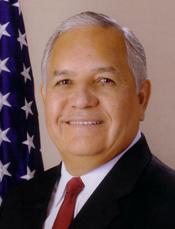
Mr. Speaker, I thank the gentlewoman for yielding me this time. First, Mr. Speaker, I would like to thank the chairman of our committee and ranking member for their commitment to working in a…
Mr. Speaker, I thank the gentlewoman for yielding me this time.
First, Mr. Speaker, I would like to thank the chairman of our committee and ranking member for their commitment to working in a bipartisan manner on the very important work that this committee has to do.
I rise today in strong support of the conference report for H.R. 2417, the Intelligence Authorization Act of 2004. Conferees and staff worked together closely to craft a bill that provides new and better capabilities to fight the war in Iraq and the war on terrorism, as well as to address a range of global intelligence challenges that we, as a country, face today.
I want to highlight two features of this very important bill. The first one is the requirement that the Director of Central Intelligence submit an Iraq Lessons Learned Report to the intelligence committees as soon as possible. Tuesday we debated the merits of the lessons learned in Iraq. I argued that Iraq must not become another Vietnam. We need to know from the intelligence community what has and what has not worked, and what has and what has not gone well in Iraq. Better intelligence is essential to defeating the expanding insurgency that we are seeing there today. I am pleased that the bill underscores the urgency of intelligence lessons learned.
This bill also establishes a pilot project within the intelligence community to enhance the recruitment of individuals with diverse ethnic and cultural backgrounds, skill sets, and language proficiency. The House Permanent Select Committee on Intelligence recently held a rare public hearing on this very issue of diversity. A panel of experts highlighted the capabilities that a diverse workforce bestows upon the intelligence community. It brings added language capability and better understanding of foreign cultures. I am pleased that this bill encourages diversity in the intelligence community.
In a similar vein, this bill also fences a portion of the funds authorized for the community management account until the Director of Central Intelligence submits a report to this committee outlining his plan to improve diversity throughout the intelligence community.
I tried also to include in this bill conference language urging that the Drug Enforcement Agency to make funds available for the El Paso Intelligence Center's Open Connectivity project. That language unfortunately was not included. Nonetheless, I still feel that EPIC has an important role to play in countering terrorism, and I hope that it is recognized for that role in this committee and others in the near future.

Mr. Speaker, I rise in support of this conference report. And I want to express in the beginning of my comments my appreciation for the hard work, the cooperation of all of my colleagues on the…
Mr. Speaker, I rise in support of this conference report. And I want to express in the beginning of my comments my appreciation for the hard work, the cooperation of all of my colleagues on the committee, of course, our distinguished chairman and, most particularly, the gentlewoman from California (Ms. Harman), who I think really leads us so well on our side and really brings such credit to the work that we do. To the staff of our committee, and, certainly, from where I speak, the minority staff; The word ``intelligence'' is used all the time--I think it resides first with them. They are second to none. And I really salute them for the work they do day in and day out.
This legislation was prepared with our minds still focused on the lessons of September 11 and as the drama in Iraq was unfolding. By these yardsticks this conference report reflects important progress in many areas. One of the most significant lessons to emerge from the joint congressional inquiry into the 9/11 tragedy is the need to improve information-sharing through the extension of modern information technology. Sounds like a no-brainer. But what we have found is that simply was not the case.
The Permanent Select Committee on Intelligence made a concerted effort this year to chart a path to bring the information revolution to the intelligence community. So it is imperative for the Congress to sustain the pressure next year and for the executive branch to embrace this vision.
Regarding so-called data mining of government and private sector databases, this is an extraordinarily large issue, and it contains extensive information on U.S. persons. And this conference report strikes what we believe is the right balance between security and privacy protection for the American people. The American people care about this. The conference report authorizes continued development of data mining tools, but it prohibits their use against domestic databases. It calls for the administration to begin defining the policies, the procedures, and the technologies necessary to safeguard this privacy.
I would like to turn just briefly to the problem of prewar intelligence. The intelligence community has to face up to the problems and the shortcomings in its Iraq estimates. That is why I strongly support the conference report's requirement for the intelligence community to report on lessons learned.
I want to again thank the committee, the committee staff, my colleagues, most especially our gifted leader, the vice chairman of the House Permanent Select Committee on Intelligence.
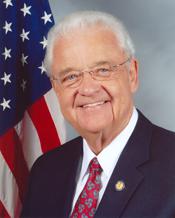
Mr. Speaker, I thank the gentleman from Florida (Chairman Goss) and the gentlewoman from California (Ms. Harman), the ranking member, for their leadership and untiring efforts to work together and…
Mr. Speaker, I thank the gentleman from Florida (Chairman Goss) and the gentlewoman from California (Ms. Harman), the ranking member, for their leadership and untiring efforts to work together and produce this very meaningful bill. Plus I have never seen better and more dedicated staff than I have seen on this committee, and I appreciate them very much.
It is basic: we have to have the best possible intelligence to enable our troops and protect our Nation again a basic must-do. So I rise in support of H.R. 2417, the Intelligence Authorization Act of Fiscal Year 2004. What is the bottom line of this bill? The bottom line is that it funds important new intelligence capabilities while demanding accountability and improvement in certain areas.
Here are three examples: first, the conference report requires the intelligence community to conduct a review of lessons learned for military operations in Iraq. Based on the committee's reviews so far of prewar intelligence on Iraq, there were some serious deficiencies in collection and analysis that needed to be fixed, must be fixed. The lessons learned provision is essential and will identify new tools and techniques needed.
Second, as the ranking member of the Subcommittee on Human Intelligence, Analysis and Counterintelligence, I want to strengthen HUMINT collection efforts around the world. In our efforts and briefings and in our committee members' oversight trips to Baghdad and other places, members have talked to dozens of intelligence officers who are fighting the war on terrorism and fighting to win the peace in Iraq. I admire their bravery, their patriotism, and their selfless dedication to duty.
This conference report provides them with tools they need to accomplish their mission. It expands language and cultural expertise in the intelligence agencies. It asks the administration to set up a process for reviewing the laws and guidelines associated with data mining. And it supports new tools for sharing information through the Terrorist Threat Integration Center and with local officials to the Department of Homeland Security and local FBI joint task force on terrorism.
Finally, the conference report includes measures that will strengthen the capabilities of defense human intelligence. Through further transformation and reform, defense HUMINT will become more flexible, agile, readily responsive to the Department of Defense intelligence requirements. This is a good bill that will protect Americans. I am pleased to support it.
Show 3 more
Mr. Speaker, I thank my friend, the gentleman from Florida for yielding me this time, and I thank him for his good work not only on the Committee on Rules, but also on the Permanent Select Committee…
Mr. Speaker, I thank my friend, the gentleman from Florida for yielding me this time, and I thank him for his good work not only on the Committee on Rules, but also on the Permanent Select Committee on Intelligence.
As he said, I would welcome the opportunity later to speak about the need to have better training in critical languages here in the United States, but at the moment, I would like to talk about something that is relevant to the rule and to the Committee on Rules.
Here in Congress we have a responsibility, not only to appropriate funds, to authorize those funds, but also to oversee their expenditure. It is a sacred responsibility to deal with other people's money. It is a difficult job.
Now, in the areas of transportation and the Department of the Interior and other areas, we are assisted by millions of engaged citizens who keep an eye out for waste or misguided programs or programs that are less than well-thought-out. We do not, in classified programs, have that advantage, so it falls to us and our staff. We have an excellent staff that keeps tabs on the multifarious programs of the intelligence community. We are blessed with a chairman who has an agreeable personality and demeanor and wields his gavel with equanimity, and an excellent ranking member who keeps us on track. But we have a difficult job under the best of circumstances to oversee the intelligence programs.
It is made almost impossible when large fractions of the intelligence budget come through special appropriations, not through the normal course, not through the normal authorization and appropriation process, when in emergency allocations, money is put in without any previous oversight.
So as I speak in favor of the authorization bill that we are considering today and hope that we approve the rule so that we can get to the debate and approval of this authorization bill, I would ask the Committee on Rules to use its considerable influence in the future to see that we do not appropriate large sums of money for intelligence and other operations without going through the customary and necessary authorization process. We have done that over and over again in recent years, and it is a disservice to the intelligence community and a disservice to the American people. So again, I ask the Committee on Rules to use its considerable influence to see that we not fall into that problem.
Mr. Speaker, I thank the gentleman from Florida (Mr. Hastings) for yielding, and I also want to commend our chairmen and ranking members for the great job that they do under what, I think, are very…
Mr. Speaker, I thank the gentleman from Florida (Mr. Hastings) for yielding, and I also want to commend our chairmen and ranking members for the great job that they do under what, I think, are very difficult circumstances. And I would also associate myself with the comments of my colleague, the gentleman from Nevada (Mr. Gibbons), about giving good compensation for great work that is being done around the world for our national security by the intelligence community employees.
Having said that, I also want to state that I rise in strong support of this rule for H.R. 2417, but I also want to note that there are many of us that have concerns about issues that are vitally important to our national security, the lack of diversity in the intelligence community, and certainly the lack of a good solid plan to diversify and understand and recruit people that know and understand and speak different languages and come from different cultures. Those are critical and important in light of the attacks of September 11.
I would urge everyone to support this rule, but at the same time I also think it is vitally important that we continue to focus. And as my colleague, the gentleman from New Jersey (Mr. Holt), made mention, it is difficult in this environment because we operate in a closed oversight manner and we do not have the benefit of outside input and scrutiny. So it is critical.
And I know that our chairman, the gentleman from Florida (Mr. Goss), and the ranking member are committed to continue to work in these two critical areas, diversity and language proficiency. So with that, Mr. Speaker, I appreciate the opportunity to share my thoughts.
Mr. Speaker, I thank my colleague for yielding me this time. I want to rise in strong support of the rule for the authorization of the intelligence bill, H.R. 2417. I want to take just a moment to…
Mr. Speaker, I thank my colleague for yielding me this time.
I want to rise in strong support of the rule for the authorization of the intelligence bill, H.R. 2417. I want to take just a moment to explain the issue of compensation reform which I think is important and critical to the future of the intelligence community.
Over the years we have had a system of pay for the men and women who are doing the hard work of gathering intelligence for the people of this country.
And yet we have not been able to find a way to adequately compensate them.
These are individuals who are dedicated to this mission. They are not there because they want more money. They are there because they like what they do. They feel it is important for the future of this country and for the security of the American people. We have opportunities now to make sure that when we pay these individuals, we pay them correctly, we pay them adequately for their services. It is important that Congress continue this oversight.
We have an important part of this bill that addresses the issue of compensation reform. I am hoping that all our colleagues will rise and support this bill because of the important aspect of compensation reform for the men and women who are doing the valiant job of representing this country in faraway places in the dark of night, doing things that most other people would not do. These are true heroes in the American legend. We should all stand up and thank them for the work they have done. And I thank the gentleman from Florida (Chairman Goss) for the opportunity to speak out on this rule and hope that everyone will support the rule.
Bill Text
Latest available legislative text
        [Congressional Bills 108th Congress]
[From the U.S. Government Publishing Office]
[H. Res. 451 Reported in House (RH)]

House Calendar No. 131
108th CONGRESS
1st Session
H. RES. 451

[Report No. 108-384]

Waiving points of order against the conference report to accompany the
bill (H.R. 2417) to authorize appropriations for fiscal year 2004 for
intelligence and intelligence-related activities of the United States
Government, the Community Management Account, and the Central
Intelligence Agency Retirement and Disability System, and for other
purposes.

_______________________________________________________________________

IN THE HOUSE OF REPRESENTATIVES

November 19, 2003

Mr. Goss, from the Committee on Rules, reported the following
resolution; which was referred to the House Calendar and ordered to be
printed

_______________________________________________________________________

RESOLUTION

Waiving points of order against the conference report to accompany the
bill (H.R. 2417) to authorize appropriations for fiscal year 2004 for
intelligence and intelligence-related activities of the United States
Government, the Community Management Account, and the Central
Intelligence Agency Retirement and Disability System, and for other
purposes.

Resolved, That upon adoption of this resolution it shall be in
order to consider the conference report to accompany the bill (H.R.
2417) to authorize appropriations for fiscal year 2004 for intelligence
and intelligence-related activities of the United States Government,
the Community Management Account, and the Central Intelligence Agency
Retirement and Disability System, and for other purposes. All points of
order against the conference report and against its consideration are
waived. The conference report shall be considered as read.

House Calendar No. 131

108th CONGRESS

1st Session

H. RES. 451

[Report No. 108-384]

_______________________________________________________________________

RESOLUTION

Waiving points of order against the conference report to accompany the
bill (H.R. 2417) to authorize appropriations for fiscal year 2004 for
intelligence and intelligence-related activities of the United States
Government, the Community Management Account, and the Central
Intelligence Agency Retirement and Disability System, and for other
purposes.

_______________________________________________________________________

November 19, 2003

Referred to the House Calendar and ordered to be printed