A bill to name the Department of Veterans Affairs outpatient clinic located in Peoria, Illinois, as the "Bob Michel Department of Veterans Affairs Outpatient Clinic".

Legislative Activity
Stay on top of the latest movement without scrolling through every action
Read twice and referred to the Committee on Veterans' Affairs.
June 24, 2004
View full timeline
Introduced in Senate
June 24, 2004
Read twice and referred to the Committee on Veterans' Affairs.
June 24, 2004
Floor Debate
14 membersWhat members said about S. 2596 on the floor
 CHS
CHS CDR
CDR RS
RS MES
MES BF+9
BF+9
Floor Debate
14 membersWhat members said about S. 2596 on the floor
Mr. Speaker, I move to suspend the rules and concur in the Senate amendments to the bill (H.R. 3936) to amend title 38, United States Code, to authorize the principal office of the United States…
Mr. Speaker, I move to suspend the rules and concur in the Senate amendments to the bill (H.R. 3936) to amend title 38, United States Code, to authorize the principal office of the United States Court of Appeals for Veterans Claims to be at any location in the Washington, DC, metropolitan area, rather than only in the District of Columbia, and expressing the sense of Congress that a dedicated Veterans Courthouse and Justice Center should be provided for that Court and those it serves and should be located, if feasible, at a site owned by the United States that is part of or proximate to the Pentagon Reservation, and for other purposes.
Mr. Speaker, I yield myself such time as I may consume.
Mr. Speaker, I rise in very strong support of H.R. 3936, the Veterans Health Programs Improvement Act of 2004. The bill, as amended, represents a compromise agreement between the House Committee on Veterans' Affairs and the Senate on these matters.
Mr. Speaker, I want to thank the gentleman from Illinois (Mr. Evans), the committee's ranking member, for his work on this. I especially want to thank the gentleman from Connecticut (Mr. Simmons) for his admirable leadership as chairman of the Subcommittee on Health, where most of these measures originated. He has done a tremendous job as chairman. As a 37-year Army veteran, he has put veterans first and has done so in a way that is extraordinary.
Again, I want to thank him for his work and his meticulous attention to detail. It has made the difference. This bill, regrettably, went through a lot of difficulties and travail, and yet he persevered. And I want to thank our chairman of that subcommittee for his leadership. It has been extraordinary.
I also want to thank the gentleman from Texas (Mr. Rodriguez), the ranking member of that subcommittee. Again, these bills are bipartisan. We have worked together very closely, and it is a pleasure to bring this before the body today.
Mr. Speaker, H.R. 3936 contains more than 33 measures that would improve the management and the administration of veterans health care programs. I want to highlight just a few of those provisions that are contained in the bill.
The VA's homeless grant and per diem program is an economical, flexible, and innovative approach to housing and supportive services for thousands of homeless veterans. The compromise agreement would increase the
fiscal year 2005 authorization level for VA's grant and per diem program from $75 million to $99 million. The Department requested this increase because it has received far more requests for funding from meritorious potential grantees than it can support under existing funding limits.
Another important provision compromise would direct the Secretary to make payments to assist the 128 State-operated nursing homes in hiring and retaining nursing personnel. These homes provide long-term care to over 38,000 veterans annually in an excellent partnership with the VA, and this provision encourages their efforts to keep highly qualified staff caring for these veterans.
Mr. Speaker, today we are at war overseas. We know war can produce terrible physical injuries, and we must do everything possible for wounded servicemembers. This compromise agreement would authorize the VA to establish, in conjunction with the Department of Defense, a limited number of new centers for research, education, and clinical care to improve rehabilitative services for complex traumatic injuries, such as those being suffered by our brave soldiers and Marines in Iraq. These centers will be a Godsend for these wounded war veterans and for their families.
This bill provides VA authority to enter into a 75-year lease to acquire a medical facility on the new Fitzsimons Campus of the University of Colorado. It is anticipated this Federal-State health sciences campus would share many high-cost specialized services and provide expanded access for Air Force beneficiaries at the nearby Buckley Air Force Base.
I want to recognize and thank the gentleman from Colorado (Mr. Beauprez) for his leadership on this important provision and the chairman of the Committee on Standards of Official Conduct, who has also done yeoman's work on this as well.
Mr. Speaker, our compromise agreement would improve the process for disposing of unneeded VA properties and authorize the proceeds from property transfers to be deposited into a new VA capital asset fund.
The new fund would facilitate transfers, leases and adaptive uses of VA properties, including historic properties. This compromise agreement also includes authorization for naming five VA medical centers, including one in Illinois to be named for the distinguished House minority leader, Bob Michel. Having served with Bob and having great respect for him, I am grateful that this provision is in here, and I want to thank my colleagues for their support for it. It also names facilities in Texas and New York for two heroic Marines who gave their lives for freedom in Vietnam.
Mr. Speaker, the staff of the Committee on Veterans Affairs has worked hard in this Congress to examine ways to provide the best possible health care to those who have earned the honored title of ``veteran.'' I would like to recognize the staff of the Subcommittee on Health: John Bradley, staff director; Dolores Dunn and Kathleen Greve, professional staff members; Susan Edgerton, Democratic staff director; and VA detailee Rosalind Howard. I would also like to thank our full committee staff, Pat Ryan to my left, chief counsel and staff director; Kingston Smith, deputy chief counsel; Jeannie McNally, legislative coordinator; and Jim Holley, Democratic staff director.
I also thank the Senate committee staff director, Bill Tuerk, and Bill Cahill, III, professional staff member. I also thank Kim Lipsky, Alexandra Sardegna and Amanda Krohn of the Democratic professional staff for their contributions. This has been a true collaborative effort.
Again, I thank all who have participated in shaping, crafting and making this an extremely valuable bill that will soon be on the desk of President Bush for his signature.
Mr. Speaker, I move that the House suspend the rules and concur in the Senate amendments to H.R. 3936.
Mr. Speaker, I rise in strong support of H.R. 3936, the Veterans Health Programs Improvement Act of 2004.
H.R. 3936, as amended, represents a compromise agreement between the Committees on Veterans' Affairs of the House and Senate.
Mr. Speaker, I want to thank the gentleman from Illinois, Mr. Evans, Ranking Member of the Veterans' Affairs Committee, who has helped to shape this particular legislation. Also, I want to thank the gentleman from Connecticut, Mr. Simmons, for his outstanding leadership as Chairman of the Subcommittee on Health, where most of these measures originated. Finally, I thank the gentleman from Texas, Mr. Rodriguez, the Ranking Member, who has worked in a bipartisan effort to help craft this and numerous other important veterans' health bills during his time in Congress.
Chairman Specter and Ranking Member Graham of the Senate Veterans' Affairs Committee also contributed to the legislation before the House today.
Mr. Speaker, VA's homeless grant and per diem program provides competitive grants to community and faith-based organizations that offer transitional housing or comprehensive service centers for homeless veterans. This program is an economical, flexible and innovative approach to housing and supportive services for homeless veterans in all 50 States and in the District. Over 6,000 beds are now available nationally to veterans through this vital community network. In 2003, 66 percent of the veterans discharged from these VA-funded programs went on to either independent living or residential-program housing. The compromise agreement will increase the fiscal year 2005 authorization level for this key program from $75 million to $99 million. The department requested this increase because it has received far more requests for funding from meritorious potential grantees than it can support under existing funding limits.
Another important provision in this compromise agreement would direct the Secretary to make payments to assist states in hiring and retaining nursing personnel at State-operated nursing homes for veterans. The 128 State veterans' homes collectively represent the largest institutional provider of long-term care to elderly veterans, now caring for over 38,000 veterans annually in 47 States. I am personally aware of staffing difficulties that the three New Jersey State veterans' homes in Vineland, Paramus and Menlo Park have faced over the past several years in their efforts to recruit and retain quality nursing staff to those homes. We need this new incentives program all across the country. It would allow State homes currently receiving per diem payments from VA with established employee-incentive programs to apply for assistance to retain and recruit their nurses. This provision encourages their efforts to keep highly-qualified staff caring for veterans.
Another provision affecting the State home programs would specify that per diem payments made by VA to States for the care of veterans in these homes may not be used to offset or reduce third party payments made to assist veterans, whether from private, State or other Federal sources.
There is well established history of partnership between the Federal and State governments providing care for veterans. This originated with the first Federal law in 1888, providing $100 per year in aid to States to help alleviate the burden of caring for sick and disabled soldiers. This partnership and the first annual payments preceded the advent of the Veterans Administration and the State Home program as we know them today--but Congressional intent has remained constant and clear. Since 1960, Congress has taken an active role in expanding the State home programs to include four levels of care, increased per diem payments and grant funding for construction of facilities. The Congress and its Veterans' Committees are adamant that this partnership and the mutual reliance by VA and the States should not be inadvertently affected by the rules of any other program which is not specifically targeted at caring for aged and infirmed veterans.
Mr. Speaker, 12 years ago, with Public Law 102-585, it was acknowledged that women who experienced sexual trauma while on active military duty may undergo a variety of psychological and physical health effects requiring special counseling. This law authorized VA to provide mental health counseling for these women veterans. Two years later, eligibility for VA sexual trauma counseling and treatment was broadened in Public Law 103-452 to include veterans of either gender who experience sexual trauma while serving on active duty. H.R. 3936 would make permanent VA's authority to provide sexual trauma counseling to veterans.
Mr. Speaker, the shortage of nurses throughout the United States is well documented and VA must position itself to take advantage of all opportunities available to deal with this shortage. H.R. 3936 would establish a pilot program to evaluate the use of proven private sector techniques, such as employer branding, interactive advertising, automated staffing systems and the use of outside recruitment agencies and online technologies to improve VA's program for recruiting nursing personnel.
Mr. Speaker, how well we know that we are at war overseas. We know war can produce
terrible physical injuries. In previous wars, many soldiers did not survive the very serious injuries of the kind being seen in Iraq and Afghanistan today. The means were not available for quick evacuation to sophisticated medical treatment. Today military medical treatment capabilities have greatly improved for complex traumatic injuries.
However, Mr. Speaker, this success creates new challenges for the caregivers who have patients with complex traumatic injuries. The compromise agreement will authorize VA to establish in cooperation with the Department of Defense a limited number of new centers for research, education and clinical activities to improve rehabilitative services for these veterans. I particularly want to thank Senator Bob Graham, Ranking Member of the Senate Veterans' Affairs Committee, for his work in helping us reach agreement on this provision. These centers will be a godsend for these wounded war veterans and their families.
Mr. Speaker, the delivery of health care in this country and in the VA system has undergone a profound transformation over the last decade. Once a hospital based health care system, today's VA has made a significant shift from inpatient to outpatient services, with tremendous growth in the number of enrolled veterans. Yet, much of VA health care bricks-and-mortar infrastructure was designed and built decades ago--some parts of it over a century ago--in a bygone era of health care delivery when long stays in the hospital were the norm.
In 1999, a General Accounting Office report not surprisingly found that VA's cost of operating and maintaining its large inventory of old buildings was a huge and avoidable drain on resources. In the years since that GAO report, VA has undergone a major initiative referred to as the Capital Asset Realignment for Enhanced Services (CARES) initiative, to assess the best use of VA's capital assets for the veteran population to be served, and to use resources more effectively to improve health care delivery to these veterans.
While awaiting the CARES recommendations, little was done by the Department to upgrade VA's physical plants. This legislation is consistent with the CARES recommendations and would provide VA the needed authority to execute leases for 16 community-based outpatient clinics at a cost of approximately $24.4 million, in fiscal year 2005, in the States of California, Colorado, Florida, Indiana, North Carolina, Ohio, Tennessee, Texas and Virginia. Most of these leases will upgrade existing clinic locations. All of these leases were requested by the VA.
Mr. Speaker, this bill also provides VA authority to enter into a 75- year lease to acquire a medical facility on the Fitzsimons Campus of the University of Colorado in Aurora. It is anticipated that a new federal-state health sciences campus would share many high cost and specialized services, and also would provide expanded access to care for Air Force beneficiaries from nearby Buckley Air Force Base. I want to recognize and thank the gentleman from Colorado, Mr. Beauprez, for his leadership in developing this good Federal health policy to serve the people of Colorado.
Mr. Speaker, our compromise agreement would improve the process for disposing of unneeded VA properties and authorize the proceeds from these property transfers to be deposited into a new VA Capital Asset Fund. The new fund would defray VA's cost of transferring property including demolition, environmental restoration, historic preservation and establishment of new health facilities. This bill would authorize appropriations of $10 million in seed money to launch the fund to support these initiatives.
Mr. Speaker, the VA has one of the largest federal inventories of properties with significant historic value. In fact, 24 VA medical center campuses are already listed on the National Register of Historic Places, and even more are eligible for this designation. This compromise agreement would allow the Secretary to enter into new partnerships or agreements with entities dedicated to historic preservation, and to use the funds in the Capital Asset Fund to facilitate transfers, leases or adaptive uses of those historic properties that are no longer useful for VA health care. Thus, this compromise agreement would protect history and at the same time the way to new uses of structures that have served their purposes for veterans.
Mr. Speaker, this compromise agreement includes authorization to name VA facilities to honor two heroic Marines who gave this country the greatest measure of their personal devotion, giving their lives in combat to save others in Vietnam. Lance Corporals Thomas E. Creek of Texas and Thomas P. Noonan, Jr. of New York were each posthumously awarded the Nation's highest military decoration, the Congressional Medal of Honor, for their selfless deeds.
The late James J. Peters of New York, a war hero in Vietnam, and a leader of paralyzed veterans after his service, would also be honored by our naming a VA outpatient clinic in the Bronx in his memory.
Further, Mr. Speaker, a VA facility in Illinois will be named in honor of our distinguished former House Minority Leader, Bob Michel, and a facility in Texas will be named in honor of the public service of another former Member of this House, Charles Wilson.
Mr. Speaker, under current law, VA must comply with a variety of Federal, state and local laws and regulations relating to the collecting, handling and disposing of medical waste. Failure to adhere to these laws and regulations could place patients, VA employees and their communities in hazardous situations, as well as subject VA to civil or criminal penalties. This bill would provide a means for Congress to evaluate the effectiveness of VA's medical waste management policies and determine whether additional procedures are needed to reduce environmental and heath risks. The costs of waste disposal would be assessed as well. The bill would require VA to establish and maintain an inventory of medical waste management activities in VA facilities and report to Congress on its inventory, regulatory compliance, and violations of record, along with plans for management improvements.
Mr. Speaker, the staff of the Veterans' Affairs Committee has worked hard in this Congress to examine ways of providing the best possible health care for those who have earned the honored title of ``veteran.'' I would like to recognize the staff of the Subcommittee on Health: John Bradley, Staff Director, Dolores Dunn and Kathleen Greve, professional staff members; Susan Edgerton, Democratic Staff Director, and VA detailee Rosalind Howard. I'd also like to thank our full Committee staff: Patrick Ryan, Chief Counsel and Staff Director; Kingston Smith, Deputy Chief Counsel; Jeannie McNally, our Legislative Coordinator; and Jim Holley, Democratic Staff Director.
Finally, I want to compliment the Senate Veterans' Affairs Committee staff: Bill Tuerk, Staff Director and Chief Counsel; and Bill Cahill III, professional staff member. I also want to recognize Kim Lipsky, Alexandra Sardegna and Amanda Krohn, of the Democratic professional staff, for their contributions to this bill.
For the benefit of my colleagues, I include at this point in the record a joint explanatory statement describing the compromise agreement we have reached with the other body.
Mr. Speaker, I ask unanimous consent to revise and extend my remarks and that all Members may have 5 legislative days in which to revise and extend their remarks, and include extraneous material on H.R. 3936, as amended.
Mr. Speaker, one final word on homeless veterans: these veterans who need services and a place to lay their heads have difficult problems. VA's programs and the hundreds of community and faith-based programs that serve in partnership with VA work miracles with many of them. The continuation and expansion of these programs with the goal of eradicating chronic homelessness in the veteran population has been one of my top goals as Chairman of this Committee. I intend to further address this program in the next Congress, so that those who once wore the nation's military uniform and who are now homeless. These veterans need a hand up to turn their lives around, and we should provide that hand.
I urge my colleagues to support this measure to enhance health care for veterans.
Mr. Speaker, I reserve the balance of my time.
Mr. Speaker, I yield such time as he may consume to the gentleman from Connecticut (Mr. Simmons).
Mr. Speaker, for the benefit of my colleagues, I include at this point in the Record a joint explanatory statement describing the compromise agreement we have reached with the other body.
Mr. Speaker, I yield 3 minutes to the gentleman from Florida (Mr. Stearns), the author of the law, the Millennium Health Care Act, which has made a tremendous difference on behalf of our seniors who are veterans who need long-term health care.
(Mr. STEARNS asked and was given permission to revise and extend his remarks.)
Mr. Speaker, I yield 3\1/2\ minutes to the gentleman from Indiana (Mr. Souder).
Mr. Speaker, I reserve the balance of my time.
Mr. Speaker, I yield back the balance of my time.
Mr. Speaker, I yield myself such time as I may consume. Mr. Speaker, I rise in support of H.R. 3936, the Veterans Health Programs Improvement Act of 2004. I want to take this opportunity to thank the…
Mr. Speaker, I yield myself such time as I may consume.
Mr. Speaker, I rise in support of H.R. 3936, the Veterans Health Programs Improvement Act of 2004. I want to take this opportunity to thank the gentleman from New Jersey (Mr. Smith) for his efforts, the ranking member, the gentleman from Illinois (Mr. Evans) also, as well as the gentleman from Connecticut (Mr. Simmons) of the Subcommittee on Health, and the House and Senate committee staffs for addressing some of the concerns raised in earlier pieces of this legislation. We now have a bill which I am pleased to lend my support to.
The bill includes provisions from a bill I introduced, H.R. 3849, the Military Sexual Trauma Counseling Act of 2004 to permanently extend VA's authority to provide counseling and treatment for the women and men who have experienced sexual trauma during their service in the military. Current authority for the program expires at the end of this year. Therefore, it is critical that we pass this legislation today.
Overwhelming demand has been demonstrated for this program. Thousands of veterans, in addition to Reservists and National Guardsmen, have taken
advantage of the resources available to them.
As the number of women serving in the military continue to grow, the need for the program is sadly more evident. Already we hear media reports that more than 100 troops returning from both Iraq and Afghanistan have stated that they were raped during their service.
Although it is unfortunate that we need this particular program, I am pleased we are now on the road to ensuring that we will have these services for current and future veterans.
Again, I would like to thank the gentleman from Connecticut (Mr. Simmons) for his leadership and cooperation in including the Military Sexual Trauma Program in this bill. I also thank the gentleman from New Jersey (Mr. Smith) and the gentleman from Illinois (Mr. Evans), the ranking member, for their support.
I am also supportive of the provisions to increase the funding levels available for the homeless grant and the per diem programs from $75 million to $99 million for 2005. We still have a very long way to go in meeting the Congress's goals to eliminating chronic homelessness by 2011, and this bill can help us get there.
This particular legislation also includes a provision that will require the Secretary of the VA to establish and maintain an inventory of the medical waste management activities in VA facilities, including inventory, regulatory violations and plans for management improvements. We believe the VA should be on the frontline of environmental protection policies, and these provisions help to make that happen.
There are provisions also from our Senate counterparts in this bill, including a requirement that the VA report annually through 2007 on veterans waiting more than 3 months for scheduled appointments in specialty care and the reasons for these delays.
This measure also requires the Secretary of the VA to establish a pilot program to study innovative recruitment tools to address the nursing shortage within the VA. We must be able to recruit and retain well-qualified nurses to care for our veterans. This pilot will help the VA Health Administration identify and adopt the best practices of private industries in hiring of well-qualified nurses.
Now the largest provider of long-term care to our Nation's veterans, the State veterans' home system plays a vital role in caring for the growing number of aging veterans.
This bill will authorize VA to make payments to assist State veterans' homes in hiring and retaining nurses, to help care for our aging veterans, and adds a clarification that per diem payments made by the VA to State veterans' homes are not to be used to offset or reduce third-party payments, such as Medicaid, made to assist veterans.
There are a high number of veterans returning home that have injuries from the war in both Iraq and Afghanistan. This measure authorizes the establishment of four cooperative centers for research, education and clinical activities to improve the rehabilitation services available to veterans suffering from complex multi-trauma associated with combat injuries. These centers build on the Veterans Health Administration's nationally recognized care for special populations such as post- traumatic stress disorders, spinal cord injuries, traumatic brain injuries, as well as visual impairment, and will prove to be most valuable in providing future combat injury rehabilitation.
While the CARES process was under way, the VA health care system has managed within infrastructure that is in sore need of repair and upgrade. This bill establishes a VA Capital Asset Fund that will help strengthen our funding flow to assist the VA in developing and improving its properties. These funds will allow the VA to improve properties for disposal as well as future disposal and for minor construction. These funds also will allow the VA to use funds for improving properties.
The Secretary of Veterans Affairs will be given the flexibility in using funds to develop advance planning for major construction projects previously authorized and additional authority to transfer unneeded real property and retain the proceeds from the transfer. The bill authorizes $10 million to be appropriated to the Capital Asset Fund where it can be used for these purposes.
Mr. Speaker, 16 major new leases are authorized in this bill, including leases throughout this country. Because many of the VA important historic buildings are poorly maintained or falling apart, I am pleased that the Committee on Veterans' Affairs concluded that the VA should use funds to preserve historic properties. It is the committee's intent for VA to provide a series of reports to address its large inventory of these registered assets.
This legislation will extend the VA authority to provide care to the veterans participating in long-term care pilot programs which were previously authorized until December, 2005.
This is a bill that we all should be very proud of.
Mr. Speaker, I reserve the balance of my time.
Mr. Speaker, I yield 2 minutes to the gentleman from Illinois (Mr. Evans), ranking member of the Committee on Veterans' Affairs.
Mr. Speaker, I yield 4\1/2\ minutes to the gentleman from California (Mr. Filner), a member of the Committee on Veterans' Affairs and an activist in pushing forward on issues regarding veterans.
Mr. Speaker, I yield 2 minutes to the gentlewoman from California (Ms. Waters).
Mr. Speaker, I yield 2 minutes to the gentlewoman from California (Ms. Solis).
Mr. Speaker, I yield myself such time as I may consume.
Let me say that this particular piece of legislation is extremely important. I know, as has been mentioned, the importance of the number of veterans that are still estimated to be homeless, some 299,000 veterans out there that sleep under the bridges, and I know that our efforts in this area will help begin to continue to decrease the number of those homeless veterans that are out there.
According to the VA, 45 percent of the homeless veterans also suffer from mental health disorders. We know the importance of coming forth on post-traumatic stress disorder and how critical that is. And I also want to just emphasize how key and how important it is for the sexual trauma situations where we have improved in increasing the number of women in the military, and as we do that, we need to make sure that we have a good safe place for a work environment where they can feel comfortable in addition to the services that are needed.
Mr. Speaker, I yield back the balance of my time.
Mr. Speaker, I rise to add my strong support to H.R. 3936, the Veterans Health Programs Improvement Act of 2004. I want to acknowledge what some of my colleagues have already said. I want to…
Mr. Speaker, I rise to add my strong support to H.R. 3936, the Veterans Health Programs Improvement Act of 2004.
I want to acknowledge what some of my colleagues have already said. I want to acknowledge the committee leadership for its commitment to our veterans under the direction of our very able and very courageous chairman, the gentleman from New Jersey (Mr. Smith). The gentleman from New Jersey has been a remarkable leader over the last 2 years. He has been a courageous leader. He has stood up in this body and leadership councils for our veterans, and I look forward to his continued leadership as our chairman in the 109th Congress.
I also recognize the work of the ranking member, the gentleman from Illinois (Mr. Evans), who also serves with me as co-chairmen of the U.S. Vietnam Caucus. He has made extraordinary contributions to our veterans in this legislation and in other bills we have taken up before this body.
Finally, I want to express very special words of gratitude to my colleague and ranking member on the Subcommittee on Health, the gentleman from San Antonio, Texas (Mr. Rodriguez).
Let me just share with the body two anecdotes. One, I traveled to San Antonio to chair a field hearing with the gentleman from Texas (Mr. Rodriguez), and we studied how the Department of Defense in that community and how the Veterans' Administration interact to provide health services not only for active troops but for our veterans. What was immediately apparent to me was the warmth with which his local constituents treated him because of his long interest in veterans, an interest that extends back at least 8 years as a member of this body.
But then I invited the gentleman from Texas up to the lovely, warm, pleasant weather of Connecticut, where we spent some time at Newington, Connecticut, at a VA facility. Not only did we have a hearing at that facility but then the gentleman from Texas (Mr. Rodriguez) went to the State Veterans Home at Rocky Hill and spent many hours looking at that facility to see how the VA and the Connecticut State Department of Veteran Affairs interacted once again to provide these services. This shows a very genuine interest on his part in veterans not only in his own State but in Connecticut and elsewhere throughout the country.
We are going to miss that genuine interest in our veterans. I thank the gentleman for his service to the subcommittee, to the committee and to our Nation's veterans.
Our chairman has summarized many of the provisions of this bill. What I would like to do is just point out a couple of features that I think are particularly important.
First and foremost, America has a tradition of caring for her veterans dating back to the Plymouth Colony where the Pilgrims enacted laws to assist sick and disabled soldiers. In 1811, our young country established the first domiciliary and medical facility for veterans that was authorized by the national government and today the Veterans' Administration has stewardship over the fourth largest real estate inventory in the Federal Government, over 20,000 buildings and tens of thousands of acres of land.
One of the provisions of this bill allows the Secretary of the Veterans' Administration to get his arms around
this huge inventory through the CARES project, a master plan for realigning the VA's inventory of capital assets in response to GAO findings and our committee oversight that some of these facilities were underutilized and that some dollars could be saved.
In addition, what this legislation does is provide language for the reuse of historic properties. On the one hand, properties that can be adopted to new uses but, secondly, properties that are truly historic and ought to be preserved and protected, for example, the Eisenhower Recovery Room at the Fitzsimmons Hospital in Colorado. We are engaged in a major effort to build a state-of-the-art facility at Fitzsimmons. It will be co-located with the State university hospital system, but that historic room in Fitzsimmons will be preserved and protected into the future.
Furthermore, the hiring and retraining of nursing staff in VA and State veterans homes, this legislation provides provisions that will address that challenge, the challenge of the almost 100,000 vacant nursing positions and a growing need for health care workers nationwide. It allows the VA to look outside for recruiting and advertising these positions and using interactive and online technologies to improve their exposure in today's recruiting market.
It also allows the State veterans homes to apply for a new grant program to serve as an incentive to attract nurses to State homes for their employment there with a 50-50 split between the VA and the State homes.
I have spent a long time at the Connecticut State home at Rocky Hill. This is a successor to the first State home built in America which was built just after the Civil War. They provide a wonderful service, but if they could work interactively with the VA in Connecticut, they could enhance that service, both in providing more nurses and also in providing better services for our veterans. That is what this legislation attempts to do.
Mr. Speaker, H.R. 3936 was carefully crafted to give the VA the flexibility and authority it needs to manage its capital assets. At the same time, it holds VA accountable for protecting the public interest of the United States as stewards of the valuable inventory of structures and lands held in trust by the VA. Finally, it provides the VA with the resources needed to enhance nurses and other professionals within the system so that they can better provide the services that we need. I urge my colleagues to support this legislation.
Mr. Speaker, I first want to thank the gentleman from New Jersey (Mr. Smith) for his leadership and advocacy on behalf of veterans. No one has worked harder for veterans than he has. I appreciate his…
Mr. Speaker, I first want to thank the gentleman from New Jersey (Mr. Smith) for his leadership and advocacy on behalf of veterans. No one has worked harder for veterans than he has. I appreciate his commitment not only on this bill but across the board in working to improve veterans health care and the benefits for veterans in the United States. I also want to specifically thank John Bradley on the gentleman from New Jersey's committee staff for his willingness to work with my staff on matters of concern to veterans in my district.
The bill before us contains many important provisions related to veterans health care and facilities management. Particularly, section 414 is of specific interest to veterans in my district, and I appreciate the inclusion of this language to force additional reporting to Congress as far as informing us of changes or closure of veterans hospitals.
In May of this year, Secretary Principi issued his decision on the CARES Commission recommendations for veterans health care. Among the slated changes was a mission change for the Fort Wayne veterans hospital located in my district. The decision called for closure of the hospital's inpatient beds and a transfer of those patients to either a community hospital in the local area or the Indianapolis veterans hospital. Fort Wayne is the largest veterans hospital and city in the United States affected by this bill. It is the second largest city in Indiana. The northern Indiana hospital covers an area larger than 2 million people who live 2 to 4 hours from Indianapolis and have no desire to go to Indianapolis, especially for continuing outpatient care; or for some inpatient care; or far away from their doctors where they have to get motels, where their spouses have to come, far away from their families, where their children will not visit them. They have no interest in this process.
Fort Wayne is one of the top military recruiting areas in the United States. In addition, our Guard and Reserve units are regularly serving on the front lines. Currently, I have a Reserve unit of over 200 men and women in Afghanistan for a year. I just had an Air Guard unit return to Fort Wayne from the Middle East. I have another large Reserve unit that just returned from a year down in Guantanamo. This spring, I had an Army Guard unit of 700 return from 14 months in Iraq. None of this was considered in the CARES Commission report.
In Congress, we are asked to repeatedly support, which I support as well, actions in Afghanistan, actions in Iraq and other parts of the world. But we cannot ask men and women in our Guard and Reserve to repeatedly be called up and then not have health care in the districts that they live in.
The CARES Commission assumed retirement communities, and where the military bases were, were where the future demand was going to be. But if we are going to use the Guard and Reserve in the way we are using them, we are going to provide them health care because if they are on the frontline in combat, they are going to be treated like other military personnel. And if they get called up a second time and third time around, the health care system is going to be revolutionized in the United States, and these people do not retire in Florida. They do not live there. They do not go where the bases are. They live in the communities they work in, in the Guard and the Reserve. And we have to factor this in as we look at the health care system.
Obviously, population shifts have occurred. Obviously, modernization is needed in our veterans hospitals. Obviously, outpatient services are the growing category in all kinds of health care, and we do not need more input. But what I fear when we look at the obvious trends that are occurring is, this is a back-door way to actually reduce benefits for many veterans and people in the Guard and Reserve in areas where they have been loyal patriotic Americans risking and dying, as many have in my district already in these wars, and they do not deserve to have their health care diminished dramatically.
Mr. Speaker, as a member of the VA Subcommittee on Health, I also rise in support of H.R. 3936 which includes, as we have heard, a lot of provisions to enhance services to our Nation's veterans. We…
Mr. Speaker, as a member of the VA Subcommittee on Health, I also rise in support of H.R. 3936 which includes, as we have heard, a lot of provisions to enhance services to our Nation's veterans. We have thanked the gentleman from New Jersey (Mr. Smith), the gentleman from Illinois (Mr. Evans) and the gentleman from Connecticut (Mr. Simmons).
I would particularly like to just thank the gentleman from Texas (Mr. Rodriguez), the ranking member, for his service. I always say, when I get to the committee meetings, ``Ciro, you're my hero.'' The gentleman from Texas, for the 8 years he has been here, has fought steadfastly for his veterans not only in San Antonio but in the United States as a whole. He has done a tremendous amount for health care for our veterans in this Nation, and we thank him for his service. We are going to miss him.
One of the important provisions of this bill is to set up a pilot program to study new and innovative ways to improve the recruitment and retention of nurses at the VA. We all know about the shortage of nurses in our Nation, and we cannot rely on the old methods of recruitment. The use of online technology, for example, can be a valuable tool in finding nurses who are interested in serving the country through their work at a VA medical facility.
Likewise, we have to find ways to keep the nurses that we recruit. A second bill that is before us after this has a provision in fact for alternative work schedules for nurses. Allowing nurses to work these flexible hours to accommodate personal and family needs is a sure way to improve their lives and to encourage them to continue working at the VA center. In addition, this bill provides payments to States to assist State veterans homes in their hiring and retention of nurses.
I think we all know that funding for grants is vital for homeless veterans. That program will be authorized in this bill at a level of $99 million, an increase of $24 million. Although we all know that even more funding is needed to assist the homeless veterans of our Nation, this authorization is a welcome increase. Homelessness among veterans is a national disgrace. I know we are all firmly behind the gentleman from New Jersey's goal of eliminating chronic homelessness within the veterans population in 10 years. This bill will help us reach that goal.
The bill also gives permanent authority to the VA Secretary to continue the military sexual trauma counseling program that was established in 1992. As we have heard, this program provides counseling and treatment for the men and women who have experienced sexual trauma or harassment while in the military service. Again, the gentleman from Texas was a major supporter of this program, and we thank him for his leadership once again.
Funding to open several new outpatient clinics is included in this bill, including two in San Diego County, a portion of which I represent. The VA's move to open clinics near veterans' homes has been overwhelmingly successful.
I will also continue work for a full outpatient health clinic in Imperial
County, which is also in my congressional district.
I should add that, as we look at the ways we fund outpatient clinics, the formulas used involve only population. We ought to also, I think, include ``isolation'' of a county or an area because that is also important, not just the numbers.
These are a few of the provisions in H.R. 3936. Health care of our veterans has to be a priority all the time but especially at this time when we have so many active duty soldiers fighting for this Nation. Whether they are from World War II or from the present conflicts in Afghanistan and Iraq, they are looking to us to meet their needs. Morale in active duty depends on how we are going to treat our soldiers when they come home, so I hope everyone supports H.R. 3936.
Show 8 more
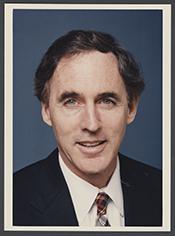
Mr. Speaker, I thank the distinguished chairman of the Committee on Veterans' Affairs, and also I want to thank the gentleman from Connecticut who chairs the Subcommittee on Health for what an…
Mr. Speaker, I thank the distinguished chairman of the Committee on Veterans' Affairs, and also I want to thank the gentleman from Connecticut who chairs the Subcommittee on Health for what an outstanding job he has done, having served as the chairman of that committee with the very, very good staff that he has. I think it is a credit to him what we are accomplishing.
I think all of my colleagues know that Florida has one of the largest growing populations of veterans. So many of us in Florida have to be particularly sensitive. We need new facilities down there. That is why I am very supportive of H.R. 3936, the Veterans Health Programs Improvement Act. I especially appreciate that it incorporates provisions of H.R. 4768, the Facilities Management Act of 2004, of which I was an original cosponsor. I thank the chairman for including that in H.R. 3936. This will authorize projects which the CARES (Capital Asset Realignment for Enhanced Services) Commission recommended to the Secretary of Veterans Affairs. He based his recommendations last May upon that, and that is included in this bill.
Mr. Speaker, under CARES, the VA reviewed all of its facilities systematically to consider where resources might be reallocated for optimal service to veterans. I think the veterans should realize that this was a systematic study. As more veterans have relocated to the Southeast over the years, it appears the VA has insufficient clinic room in the Southeast, particularly in my State of Florida. Accordingly, the majority of the leases which this legislation would authorize are facilities to be located in the South. The aim has been to match the assets with the veterans, and this bill does just that. Florida, as we know, has the second largest veterans population and the number one oldest.
Obviously, I am pleased to see a lease for a regional health care facility in South Marion County, my home county, Summerfield, Florida. The plans are for this clinic to offer comprehensive services to veterans, including audiology, which is very important; ophthalmology; dermatology, particularly in Florida; minor surgery; and complete imaging services. It is going to be housed in a 75,000-square-foot building and provide more services and greater resources for the veterans than the existing VA outpatient clinics that we have throughout my congressional district. Even better, while this clinic is predicted to be opened in the summer of 2007, appropriations willing, the generous, resourceful people of north central Florida have indeed offered the VA the use of free space for an interim clinic, so that should expedite it. So our ever-increasing veterans population can see immediate relief for their long health-care waits in the winter when they come down will be decreased, and this more comprehensive specialty clinic which the act authorizes will be built and in the long run will help everybody. I am very enthusiastically supporting this bill.
I want to thank both the Democrats and Republicans on the Committee on Veterans' Affairs and particularly the gentleman from Connecticut (Mr. Simmons) and the gentleman from New Jersey (Mr. Smith) for their support.

Mr. Speaker, I rise as a strong supporter of H.R. 3936 the Veterans Health Programs Improvement Act of 2004 which would increase the authorization of appropriations for grants to benefit homeless…
Mr. Speaker, I rise as a strong supporter of H.R. 3936 the Veterans Health Programs Improvement Act of 2004 which would increase the authorization of appropriations for grants to benefit homeless veterans, would improve programs for management and administration of veterans' facilities and health care programs. I want to thank Chairman Smith and Ranking Member Evans for bringing this necessary piece of legislation before this entire body.
Veterans are some of America's most valued members of society. These are people who served our Nation in a time of need, people who risked their lives to protect our own. Yet, it pains me to say that many of these same veterans who fought so bravely and risked so much in lands far abroad have come back to their nation and are now homeless. The problem of homeless veterans is far more prevalent than we would like to believe. About one-third of the entire adult homeless population has served their country in the Armed Services. On any given day, as many as 250,000 veterans, both male and female, are living on the streets or in shelters, and perhaps twice as many experience hopelessness at some point during the course of a year. Many other veterans are considered near homeless or at risk because of their poverty, lack of support from family and friends, and dismal living conditions in cheap hotels or in overcrowded or substandard housing.
This legislation is necessary not only because this problem is so devastating and prevalent, but also because homeless veterans have special needs that are unique from those faced by the rest of the homeless population. Almost all homeless veterans are male, with three percent being female, the vast majority are single, and most come from poor, disadvantaged backgrounds. Homeless veterans tend to be older and more educated than homeless non-veterans. But similar to the general population of homeless adult males, about 45% of homeless veterans suffer from mental illness and slightly more than 70% suffer from alcohol or other drug abuse problems. Roughly 56% are African American or Hispanic.
I believe that the Veterans Health Programs Improvement Act will help make an impact in helping homeless veterans and ensuring that they have a viable future. This legislation has a number of important provisions, but in my mind none is more important than the issue of homeless veterans. If we cannot even provide our brave veterans with basic necessities then where are we as a Nation? Our Nation's veterans did not risk their lives abroad so that they could come home and feel a cold shoulder. We must all have outrage that so many of our Nation's veterans live this way; only then can we find a way to correct this injustice.
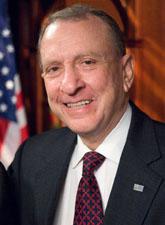
Mr. President, I have sought recognition to comment on a substitute amendment I propose to make to S. 2485, the ``Veterans Health Programs Improvements Act of 2004,'' as part of my request that the…
Mr. President, I have sought recognition to comment on a substitute amendment I propose to make to S. 2485, the ``Veterans Health Programs Improvements Act of 2004,'' as part of my request that the bill, as so amended, be approved by the Senate. The underlying bill, S. 2485, was reported by the Senate Committee on Veterans' Affairs on July 20, 2004, and is explained in detail in Senate Report 108-358. My comments at this time are limited to explaining how the proposed substitute amendment, which reflects a bipartisan agreement between Senate and House Veterans' Affairs Committees on veterans' medical benefits-related issues, differs from the provisions of S. 2485, as reported.
The House has approved a number of bills--H.R. 1318, H.R. 4231, H.R. 4248, H.R. 4317, H.R. 4608, H.R. 4768, and H.R. 4836--that overlap with provisions drawn from various Senate bills that are contained in S. 2485, as reported. The language of the substitute amendment, in some cases, fine tunes language to harmonize these overlapping provisions without significant or substantive modification. Further, the substitute amendment adds provisions that are drawn from House-approved bills that had not been considered by the Senate. Among those provisions are measures which will assist the Department of Veterans Affairs--VA--and State veterans homes in procuring needed nursing services; provisions which authorize VA major medical facility leases and grant programs to assist providers of services to homeless veterans; and measures requiring VA reports on historic properties and medical waste management activities. Also included are VA facility ``naming'' provisions which, in addition to a measure already approved by the Veterans' Committee, would name VA facilities in Amarillo, TX; Peoria, IL; Lufkin, TX; and Sunnyside, Queens, NY. All of these additional provisions, and all clarifications and modifications to language contained in the reported bill, are outlined in the ``Explanatory Statement'' which I will append to this statement.
Each of the additions to S. 2485 that have resulted from negotiations with our colleagues in the House are all useful and productive. The bill as it would be modified by the managers' amendment, then, merits the Senate's approval.
I yield the floor and ask unanimous consent that the Explanatory Statement be printed in the Record.

Mr. Speaker, I would like to thank my colleagues on both sides of the aisle: The gentleman from New Jersey (Chairman Smith); the gentleman from Connecticut (Mr. Simmons), subcommittee chairman; the…
Mr. Speaker, I would like to thank my colleagues on both sides of the aisle: The gentleman from New Jersey (Chairman Smith); the gentleman from Connecticut (Mr. Simmons), subcommittee chairman; the gentleman from Illinois (Mr. Evans), our ranking member; and the gentleman from Texas (Mr. Rodriguez), ranking member of the subcommittee. They have done a fabulous job in putting together this legislation.
And this is a good day for veterans. It is a good day for veterans because, again, we are beginning to address some of the issues that we should have addressed a long time ago. Let me just say the gentleman from Texas (Mr. Rodriguez) has done a very wonderful job. I am very proud of the work he has done, and I really do commend him to the care and attention that he has given.
And to the gentleman from Illinois (Mr. Evans), I served with the gentleman from Illinois (Mr. Evans) when I first came to the House, and I had the opportunity even to vote for him to be Chair. Sonny Montgomery has never forgiven me. But he is the best advocate the veterans have ever had, and I appreciate him each and every day.
Mr. Speaker, this bill is important for a number of reasons. Someone mentioned earlier that homelessness among the veterans of this country is a disgrace, and it really is. I was at the U.S. Vets again on Veterans Day, and that program fed over 600 or 700 veterans off the street who were homeless. Some of them were fortunate enough to be in the program; others just off the street who were fed that day. But any place that one goes in America and particularly in our cities, when they go to the areas where the homeless congregate, whether they are in the downtowns or wherever they are, disproportionately those will be veterans. So this bill increases the overall authorization for the Grant and Per Diem Homeless Veterans Assistance Program from $75 million to $99 million in funding year 2005, and I hope that each year it will continue to go up.
It is a good bill. It has a lot of good things that are covered in the bill. And so I am pleased that I am here to support it, and I would ask my colleagues to do so.
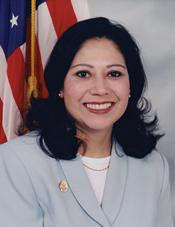
Mr. Speaker, I would also like to rise in support of the Veterans Health Program Improvement Act and to the gentleman from Texas (Mr. Rodriguez), the distinguished manager of this particular…
Mr. Speaker, I would also like to rise in support of the Veterans Health Program Improvement Act and to the gentleman from Texas (Mr. Rodriguez), the distinguished manager of this particular legislation, who has been a strong advocate for many years on the health care of our veterans.
I would also like to recognize the gentleman from Illinois (Mr. Evans), the ranking Democrat on this committee, also and thank him for allowing me the opportunity to speak.
As a Member here, this is now going on my third term. But L.A. County in the area that I represent has one of the largest concentrations of veterans, a large number of Vietnam veterans, but in particular, many that are now serving in Iraq and Afghanistan.
And I am very delighted to see that there has been an extension of the sexual trauma counseling program, and this has been made permanent, and I would like to commend those that worked on this in particular because this has been a subject for the Women's
Caucus. We actually had an informal hearing here and brought forward individuals to talk to us about how we could remedy this problem. It is something we have to work on, and sexual assault in the military is something that we all know is unacceptable. The counseling program is one step towards helping victims access services that they deserve. And studies, as we know, have shown that three-fourths of the female veterans who are raped did not report the incident to a ranking officer. Many did not know how to, and some even thought that rape was somehow expected in the military. Since August of 2002 until November 1 of this year, there has been an estimated 261 cases of sexual assault in Iraq, Kuwait, Afghanistan and Bahrain.
We must enforce a zero-tolerance policy within the Armed Forces and protect all of our veterans, women and men, from having to cope with these injustices. And I urge the Congress to support this piece of vital legislation and also want to thank those who worked on this legislation to increase the health care services for our veterans.
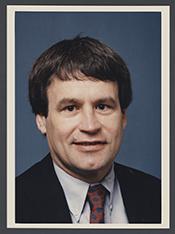
Mr. Speaker, I rise in support of H.R. 3936, the Veterans Health Programs Improvement Act of 2004. I want to thank the gentleman from New Jersey (Mr. Smith) again for his leadership on these issues.…
Mr. Speaker, I rise in support of H.R. 3936, the Veterans Health Programs Improvement Act of 2004. I want to thank the gentleman from New Jersey (Mr. Smith) again for his leadership on these issues. Every time we try to do something good, his name is always in the forefront of the action. I want to thank the gentleman from Texas (Mr. Rodriguez) who came to our committee, has done great work as the subcommittee ranking member obviously through helping not only the gentleman from Connecticut (Mr. Simmons) but all veterans across the board. If we gave Medal of Honor awards to Members, he would certainly be given one.
I want to thank everybody for developing this legislation. We have accomplished a lot. Of particular interest to me is the establishment of the capital asset fund to help renovate some of the VA's most underutilized facilities. The VA needs to meet construction priorities in order to maintain a health care system infrastructure that will be called on increasingly as our service men and women return from Iraq with physical and psychological disabilities.
I am also pleased that the legislation will permanently allow the VA to provide sexual trauma counseling to those men and women who have experienced such trauma. The VA should continue to be available to veterans who need help picking up the pieces after these tragic events.
This measure also includes a requirement for VA to develop a pilot to examine the effectiveness of interactive and online recruiting techniques. This pilot program is just one step to update VA's recruitment tools to what are now commonplace recruitment practices in the private sector.
I support this legislation, and I urge my colleagues to do the same.
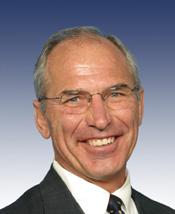
Mr. Speaker, I rise today in support of H.R. 3936, the Veterans Health Programs Improvement Act of 2004. Today, more than ever, it is imperative that we address the benefits we provide to our…
Mr. Speaker, I rise today in support of H.R. 3936, the Veterans Health Programs Improvement Act of 2004. Today, more than ever, it is imperative that we address the benefits we provide to our Nation's veterans. Over the past few decades, the needs of veterans have evolved, and it is incumbent upon us to ensure the benefits they have so dutifully earned will sufficiently meet those changing needs.
Included in this bill is language to allow the Department of Veterans Affairs to begin negotiations with the University of Colorado for the land on which to build a new, state-of-the-art veterans medical facility on the Fitzsimons Campus in Aurora, CO. This landmark veterans hospital will be capable of providing services that were previously unthinkable in many of the unequipped, outdated VA hospitals of the past.
Through a collaboration between the VA, the DOD, and the University of Colorado, veterans in the Rocky Mountain region will gain access to a higher quality of health care made possible thanks to 21st century innovations and the synergy of this unique partnership.
Mr. Speaker, I applaud the efforts of everyone involved in bringing this bill to the floor for a vote today. It is a paramount piece of legislation not only for the veterans in my district, but for all of our Nation's veterans, and I strongly support its intent.
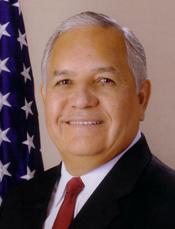
Mr. Speaker, I rise today in support of H.R. 3936, the Veterans Health Programs Improvement Act of 2004. I would like to thank the sponsors of this legislation, Chairman Chris Smith and Ranking…
Mr. Speaker, I rise today in support of H.R. 3936, the Veterans Health Programs Improvement Act of 2004. I would like to thank the sponsors of this legislation, Chairman Chris Smith and Ranking Member Lane Evans for their work to bring it through the House Veterans Affairs Committee and to the floor expeditiously.
Among other important actions, H.R. 3936 would provide the needed funding to assist our homeless veterans. As a Vietnam veteran and Member of Congress, I know the importance of addressing and appropriately funding programs to end homelessness among our veteran population. I feel this legislation is a step in the right direction to meet this need.
Sadly, today's homeless veteran population are men and women who have resorted to living out in the streets of the very same country they committed to serve. In addition, nearly half of this population consists of veterans who served with me in Vietnam.
Mr. Speaker, I can't stress enough the importance of this legislation, especially at a time of conflict that is increasing the veteran population. We should not forget the sacrifices made by our Nation's veterans. Instead, we need to uphold our promise to care for those who have answered the call to duty.
Mr. Speaker, I strongly urge my colleagues to support the passage of this important bill.
Show 1 more
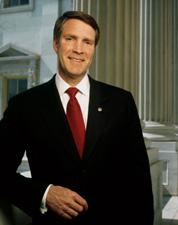
Mr. President, I ask unanimous consent that the Senate proceed to the immediate consideration of Calendar No. 718, S. 2485. Mr. President, I ask unanimous consent that the substitute amendment at the…
Mr. President, I ask unanimous consent that the Senate proceed to the immediate consideration of Calendar No. 718, S. 2485.
Mr. President, I ask unanimous consent that the substitute amendment at the desk be agreed to, the committee amendment, as amended, be agreed to, the bill, as amended, be read a third time, and the Veterans' Affairs Committee then be discharged from further consideration of H.R. 3936, and the Senate proceed to its immediate consideration. I further ask consent that all after the enacting clause be stricken, and the text of S. 2485, as amended, be inserted in lieu thereof; the bill, as amended, be read a third timed and passed, the amendment to the title, as amended, be agreed to, the motions to reconsider be laid upon the table en bloc, and that any statements relating to the bill be printed in the Record.
I ask unanimous consent that S. 2485 be returned to the calendar.
Bill Text
Latest available legislative text
        [Congressional Bills 108th Congress]
[From the U.S. Government Publishing Office]
[S. 2596 Introduced in Senate (IS)]

108th CONGRESS
2d Session
S. 2596

To name the Department of Veterans Affairs outpatient clinic located in
Peoria, Illinois, as the ``Bob Michel Department of Veterans Affairs
Outpatient Clinic''.

_______________________________________________________________________

IN THE SENATE OF THE UNITED STATES

June 24, 2004

Mr. Durbin (for himself and Mr. Fitzgerald) introduced the following
bill; which was read twice and referred to the Committee on Veterans'
Affairs

_______________________________________________________________________

A BILL

To name the Department of Veterans Affairs outpatient clinic located in
Peoria, Illinois, as the ``Bob Michel Department of Veterans Affairs
Outpatient Clinic''.

Be it enacted by the Senate and House of Representatives of the
United States of America in Congress assembled,

SECTION 1. NAME OF DEPARTMENT OF VETERANS AFFAIRS OUTPATIENT CLINIC,
PEORIA, ILLINOIS.

The Department of Veterans Affairs outpatient clinic located in
Peoria, Illinois, shall after the date of the enactment of this Act be
known and designated as the ``Bob Michel Department of Veterans Affairs
Outpatient Clinic''. Any reference to such outpatient clinic in any
law, regulation, map, document, record, or other paper of the United
States shall be considered to be a reference to the Bob Michel
Department of Veterans Affairs Outpatient Clinic.
<all>