Recognizing the first full week of April as "National Workplace Wellness Week".
 Rep. Stephanie Herseth Sandlin (D-SD)
Legislative Activity
Stay on top of the latest movement without scrolling through every action
Referred to the Committee on the Judiciary.
October 2, 2008
View full timeline
Introduced in House
July 31, 2008
Referred to the House Committee on Education and Labor.
July 31, 2008
Mr. Andrews asked unanimous consent to discharge from committee and consider.
September 26, 2008 • 8:30 PM
Committee on Education and Labor discharged.
September 26, 2008
Considered by unanimous consent. (consideration: CR H10117)
September 26, 2008 • 8:30 PM
Passed/agreed to in House: On agreeing to the resolution Agreed to without objection.(text: CR H10117)
September 26, 2008 • 8:30 PM
On agreeing to the resolution Agreed to without objection. (text: CR H10117)
September 26, 2008 • 8:30 PM
Motion to reconsider laid on the table Agreed to without objection.
September 26, 2008 • 8:30 PM
Received in the Senate.
September 27, 2008
Floor Debate
2 membersWhat members said about H.Con.Res. 405 on the floor
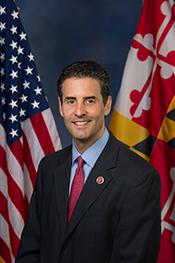
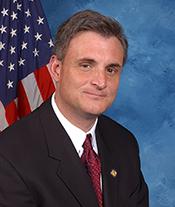
Floor Debate
2 membersWhat members said about H.Con.Res. 405 on the floor
Mr. Speaker, I rise today to commend my colleagues for passing H. Con. Res. 405, which promotes the United Nations' sponsored efforts to bring about a negotiated reunification of Cyprus. The division…
Mr. Speaker, I ask unanimous consent that the Committee on Education and Labor be discharged from further consideration of the concurrent resolution (H. Con. Res. 405) recognizing the first full week…
Bill Text
3 versions available
        [Congressional Bills 110th Congress]
[From the U.S. Government Printing Office]
[H. Con. Res. 405 Referred in Senate (RFS)]

2d Session
H. CON. RES. 405

_______________________________________________________________________

IN THE SENATE OF THE UNITED STATES

September 27 (legislative day, September 17), 2008

Received

October 2 (legislative day, September 17), 2008

Referred to the Committee on the Judiciary

_______________________________________________________________________

CONCURRENT RESOLUTION

Recognizing the first full week of April as ``National Workplace
Wellness Week''.

Whereas comprehensive, culturally sensitive health promotion within the
workplace is essential to maintain and improve United States workers'
health, as a significant part of a working citizen's day is spent at
work;
Whereas employees who improve their health reduce their probability of chronic
health conditions, lower their out-of-pocket medical and pharmaceutical
costs,

reduce pain and suffering, have greater levels of energy and vitality, and
experience increased satisfaction with their lives and jobs;

Whereas health care costs in the United States doubled from 1990 to 2001 and are
expected to double again by 2012;
Whereas employee health benefits are the fastest growing labor cost component
for employers, and pose a serious and growing challenge for U.S.
business competitiveness;
Whereas business leaders are struggling to find strategies to help reduce the
direct costs of employer-provided health care as well as the indirect
costs associated with higher rates of absenteeism, presenteeism,
disability, and injury;
Whereas an effective strategy to address the primary driver of soaring health
care costs requires an investment in prevention;
Whereas some employers who invest in health promotion and disease prevention
have achieved rates of return on investment ranging from $3 to $15 for
each dollar invested, as well as an average 28-percent reduction in sick
leave absenteeism, an average 26-percent reduction in health care costs,
and an average 30-percent reduction in workers' compensation and
disability management claims costs;
Whereas the Healthy People 2010 national objectives for the United States
include the workplace health related goal that at least three-quarters
of United States employers, regardless of size, voluntarily will offer a
5-element comprehensive employee health promotion program that
includes--

(1) health education and programming, which focuses on skill
development and lifestyle behavior change along with information
dissemination and awareness building, preferably tailored to employees'
interests and needs;

(2) supportive social and physical environments, including an
organization's expectations regarding healthy behaviors, and implementation
of policies that promote health and reduce risk of disease;

(3) integration of the worksite program into the organization's
structure;

(4) linkage to related programs like employee assistance programs
(EAPs) and programs to help employees balance work and family; and

(5) screening programs, ideally linked to medical care to ensure follow
up and appropriate treatment as necessary;

Whereas employers should be encouraged to invest in the health of employees by
implementing comprehensive worksite health promotion programs that will
help achieve our national Healthy People 2010 objectives;
Whereas business leaders that have made a healthy workforce a part of their core
business strategy should be encouraged to share information and
resources to educate their peers on the issue of employee health
management through initiatives such as the Leading by Example CEO-to-CEO
Roundtable on Workforce Health and the United States Workplace Wellness
Alliance;
Whereas employers that provide health care coverage for more than 177,000,000
United States citizens have the potential to exert transformative
leadership on this issue by increasing the number, quality, and types of
health promotion programs and policies at worksites across the Nation;
Whereas for workplace wellness efforts to reach their full potential, CEOs of
major corporations, company presidents of small enterprises, and State
Governors should be encouraged to make worksite health promotion a
priority; and
Whereas Congress supports the National Worksite Health Promotion goal as stated
in Healthy People 2010 and encourages public employers to increase their
awareness of the value of corporate investments in employee health
management during the first full week of April each year: Now,
therefore, be it
Resolved by the House of Representatives (the Senate concurring),
That Congress--
(1) supports the goals and ideals of a National Workplace
Wellness Week and calls on private and public employers to
voluntarily implement worksite health promotion programs to
help maximize employees health, well-being, and lower health
care costs; and
(2) requests that the President issue a proclamation
calling upon the people of the United States

and interested organizations to observe such a week with
appropriate ceremonies and activities.

Passed the House of Representatives September 26, 2008.

Attest:

LORRAINE C. MILLER,

Clerk.