H.R. 1012House119th Congress (2025-2027)In Committee

Spent Fuel Prioritization Act of 2025

To amend the Nuclear Waste Policy Act of 1982 to prioritize the acceptance of high-level radioactive waste or spent nuclear fuel from certain civilian nuclear power reactors, and for other purposes.

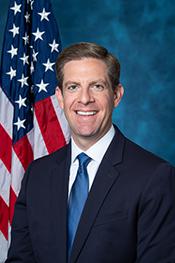
Sponsored by Mike LevinRep. Mike Levin (D-CA)
Introduced February 5, 2025

AI-Generated Summary

Updated November 24, 2025 at 3:00 AM UTC

The Spent Fuel Prioritization Act of 2025 amends the Nuclear Waste Policy Act of 1982 to create a clear ordering system for accepting high‑level radioactive waste and spent nuclear fuel from civilian power plants. It directs the Secretary of Energy to prioritize waste from reactors that are shutting down, are in densely populated or earthquake‑prone regions, or present national‑security concerns, aiming to reduce risks associated with long‑term storage at vulnerable sites.

Key Provisions

  • Adds a new subsection (7) to the Nuclear Waste Policy Act that tells the Secretary of Energy how to rank which civilian nuclear power reactors’ waste gets accepted first for disposal or storage.
  • The ranking must consider four factors: whether the reactor is decommissioned or in the process of decommissioning, the size of the surrounding population, the earthquake risk of the location (using USGS seismic hazard maps), and any national‑security concerns about keeping the waste at that site.
  • The highest priority is given to reactors that are decommissioned, located in the most populous area, sit in the highest‑hazard earthquake zone, and where continued storage poses a significant security risk.

Legislative Activity

Stay on top of the latest movement without scrolling through every action

1 earlier action
HouseIntro Referral Latest Action

Referred to the House Committee on Energy and Commerce.

February 5, 2025

View full timeline
HouseIntro Referral

Introduced in House

February 5, 2025

HouseIntro Referral

Referred to the House Committee on Energy and Commerce.

February 5, 2025

Bill Text

Latest available legislative text

Reading Mode
Latest
Introduced in HouseIssued February 5, 2025

I

119th CONGRESS

1st Session

H. R. 1012

IN THE HOUSE OF REPRESENTATIVES

February 5, 2025

Mr. Levin (for himself, Mr. Issa, Mrs. Kim, Mr. Fitzpatrick, Mr. Lawler, and Mr. Peters) introduced the following bill; which was referred to the Committee on Energy and Commerce

A BILL

To amend the Nuclear Waste Policy Act of 1982 to prioritize the acceptance of high-level radioactive waste or spent nuclear fuel from certain civilian nuclear power reactors, and for other purposes.

1.

Short title

This Act may be cited as the Spent Fuel Prioritization Act of 2025.

2.

Acceptance priority for high-level radioactive waste and spent nuclear fuel

Section 302(a) of the Nuclear Waste Policy Act of 1982 (42 U.S.C. 10222(a)) is amended by adding at the end the following:

(7)

In determining the order in which the Secretary will accept high-level radioactive waste or spent nuclear fuel for disposal or storage, the Secretary shall prioritize high-level radioactive waste or spent nuclear fuel from a civilian nuclear power reactor based on the operating status of the civilian nuclear power reactor, the population of the area in which the civilian nuclear power reactor is located, the earthquake hazard of the area in which the civilian nuclear power reactor is located, and national security risk related to the continued storage of high-level radioactive waste or spent nuclear fuel in the area in which the civilian nuclear power reactor is located, giving highest priority to a civilian nuclear power reactor that is—

(A)

decommissioned or decommissioning;

(B)

located in an area, as determined by the Secretary, the population of which is the largest;

(C)

located in an area with the highest hazard of an earthquake, as indicated by the Seismic Hazard Maps published by the Director of the United States Geological Survey pursuant to section 5(b)(3)(J) of the Earthquake Hazards Reduction Act of 1977; and

(D)

located in an area, as determined by the Secretary (in consultation with the Secretary of Defense and the Secretary of Homeland Security), where the continued storage of high-level radioactive waste or spent nuclear fuel poses a significant national security concern.

.