I rise in opposition to the gentleman's amendment. The W.A. Young & Sons Foundry and Machine Shop is truly an American treasure. This remarkably well-preserved shop is an example of the once-common,…
I rise in opposition to the gentleman's amendment.
The W.A. Young & Sons Foundry and Machine Shop is truly an American treasure. This remarkably well-preserved shop is an example of the once-common, shaft-driven job shop which played an important role in maintaining and repairing the machines that built early industrial America.
This rare industrial facility contains machining and foundry equipment dating back to the mid-to-late 1800s. When the shop doors were shuttered more than four decades ago, everything, the tools, drills, nails, presses, lathes, wooden molds and patterns were left behind, creating a priceless time capsule from the turn of the century.
The machine shop and foundry are still able to operate, but the structure of the facility has severely deteriorated and is in desperate need of repair and restoration in order to preserve the
facility and the historic equipment within. And I would assume that's why it hasn't been open; they're waiting to do the repairs.
The W.A. Young & Sons Foundry and Machine Shop is documented by the National Park Service Historic American Engineering Record and listed on the National Register of Historic Places.
I would also point out to my colleagues that in approaching this task, the gentleman from Kansas (Mr. Tiahrt) and I, and our staffs collectively, reviewed all of these projects. There were 10 requests for every project that was put in the bill. And when we added it up, at the end of the day, it is four-tenths of 1 percent. Now, that is still significant, but I think it's important for us to realize that we are dramatically reducing the number of overall earmarks in this bill, a much greater reduction than when the other party was in charge. From 1994 to 2006, it went from approximately 1,000 earmarks up to 13,000 earmarks; 13,000 earmarks. We have cut this back dramatically. I think we've done a good job.
I was hoping that the gentleman would be here today to praise us, saying you have met the standard that the administration said. You cut the 50 percent that Pelosi said you were going to cut. I was hoping the gentleman would be here saying, ``Well done,'' and yet we have another amendment.
So, I'm in opposition to this. I think we should keep moving. We have other legislation to do. I know a lot of people in this body want to get home on Friday, so I hope we can move expeditiously.
I appreciate the gentleman's even-handedness in making selections, though I didn't notice that he had a reduction of the President's request.
And again, I want to point out to the gentleman, you know, remember, the power of the purse is one of Congress' most important powers. And I think we should be very careful when we start undermining that important legislative tool that separates us from the executive branch.
So, this is Mr. Murtha's project from Pennsylvania, a very senior member of the Appropriations Committee. I urge all of my Members to support Mr. Murtha's project and to oppose the Flake amendment.
Mr. Chairman, I yield back the balance of my time.
Parliamentary Inquiry
Will the gentleman yield?
I can get you his phone number.
Mr. Chairman, I move to strike the requisite number of words. I would be glad to yield to the ranking member.
Mr. Chairman, I reclaim my time.
Mr. Chairman, I would also point out to the gentleman that the precedent on this Save America's Treasures has been to split the money 50/50; 50 percent would go to the administration and they would then make decisions on a competitive basis. The other 50 percent would be earmarked by the Members of Congress.
I think that process works well. Congress has the right to do this under the power of the purse. This is one of our most important constitutional rights. There is nothing wrong with it. The Supreme Court has never questioned it. It is part of our constitutional history.
I just want to also join my friend from Kansas and say that I support this project. I urge that the Flake amendment be rejected and that we support this project. It has been carefully vetted. I think we could have straightened out the name of the title here and helped ourselves, but that is a lesson learned for next year.
Mr. Chairman, I yield back my time.
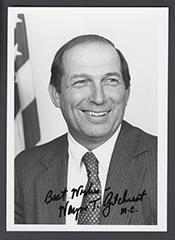
Mr. Chairman, I move to strike the last word, and I yield to my good friend from Maryland (Mr. Gilchrest).
Mr. Chairman, reclaiming my time, I thank the gentleman for his comments and his interest in addressing the threat posed by invasive species to our natural resources. I will certainly work with the gentleman to help address this pressing need as we go through this process.
I know how important this invasive species issue is. Out in my area we have a major problem with Spartina, and we have had to fight it in the Willapa Bay area and Grays Harbor area. So I am very sympathetic to this. Also with the Fish and Wildlife Service, I guess there is an interagency group that is working on invasive species. So let's look at existing programs, and we will try our best to find a way to help the gentleman.
I yield back the balance of my time.
Amendment Offered by Mr. Flake
Mr. Chairman, will the gentleman yield?
Mr. Chairman, I rise in strong support of the gentleman's project. We have looked at this carefully. As we understand it, it deals with the historic facade, and this is an important project. I think it is a very modest amount of money, which has to be matched by the locals. They are putting up a huge amount of additional money so there won't be any problem with that.
I congratulate the gentleman on his project and urge a ``no'' vote on this amendment.
Mr. Chairman, I want to rise in strong support of the gentleman's projects and congratulate him on the hard work that he has demonstrated and his very comprehensive knowledge of this project. I urge a ``no'' vote on the Flake amendment.
Would the gentleman yield?
I thank the ranking member for yielding, and I just would like to ask the gentleman from California, does he have an estimate of what the cost of doing this would be?
It may have been in the governor's study or one of the other studies that have been done.
Mr. Chairman, I move to strike the requisite number of words.
As I understand it, some of the cost estimates that have come in, this would be up to $10 billion. I think one of the reasons why the committee took the action it did take was because of this great big $10 billion bill and not having any kind of a plan for how that would be financed.
But I am sensitive to what the gentleman has said in terms of the importance of this. We will take this very seriously, and we will look and see what the Senate does and we will continue to work with our friend from California who is a valued Member of the House.
I yield to the gentleman from California.
Reclaiming my time, I appreciate the gentleman's obvious sincerity and passion, and we will continue to look at this.
Mr. Chairman, I move to strike the requisite number of words, and I yield to the gentleman from Indiana for a statement.
I would like to say to the gentleman that I believe the committee has, in essence, enacted the spirit of your amendment. We have reduced the Smithsonian's budget by $35 million. The salaries and expenses level has come down to where it was in 2007. And we didn't do this as a punitive measure, we did this to send a very strong message, as the gentleman has in his very eloquent floor statement, and that message is we want the Smithsonian Board of Regents to reform the Smithsonian.
We all respect and admire and love the institution ourselves. We want to, and I personally hope we can in conference restore funding after they have made the appropriate changes that the committee has talked to them about. I think that is happening as we speak.
I have had a chance to talk to a number of the regents and Members of the House who serve as regents, and I am confident that they are on the right track. We hope by the time we get to conference, we will all be satisfied that they have reached the goal of reforming and changing so that the House and the other body can feel confident in funding them at the appropriate level.
I yield to the gentleman from Kansas.
I want to commend the gentleman for his very thorough and comprehensive statement, and I want to join him in support of this project.
As the gentleman said, this project was authorized, signed by President Reagan, a very conservative President. This is historic activity that has been very productive. And so I urge that the project be supported and that the amendment by the gentleman from Arizona be defeated.
Mr. Murtha of Pennsylvania. But as was mentioned by the gentleman from Pennsylvania, there are four congressional districts involved in this. I don't know if people from the other districts, I guess they didn't request it or else it would be listed because we've tried to list it where there were multiple names involved.
Mr. Murtha is a former member of this subcommittee and this project has been funded for many years. When your party was in the majority, there were a number of years in which this project was funded. The previous chairman, Mr. Taylor, and others have been supportive of this project.
I move to strike the requisite number of words.
I'll be very brief.
The point I would make is that we only funded one out of 10 requests. So there was a lot of judgment made by both sides of the aisle working together to pick those projects that had a history, that were authorized in many cases. So I think there was a very careful vetting of this process. There are a lot of Members who are mad at me because they didn't get their project. This one met the test and was funded.
I urge a ``no'' vote.
Mr. Chairman, I yield back the balance of my time.
I thank the gentleman for his amendment. The gentleman has discussed this amendment with all of us. The bill includes an increase of $11.8 million, as you have mentioned, above the President's request for EPA enforcement. That is enough money to bring the EPA's enforcement level back to levels that we saw earlier in this decade. The majority has no objection and accepts the amendment.
Mr. Chairman, I yield myself as much time as I might consume.
Mr. Chairman, I rise in opposition to this amendment.
Am going to be brief here. This would be a devastating cut on this bill. I want to say something to the gentleman. These bills do have consequences.
Over the last 7 years, since this administration took power, the Interior Department's budget has been cut in real terms by 16 percent. The EPA's budget has been cut in real terms by 29 percent, and the Forest Service budget has been cut in real terms, taking fire out, by 35 percent. This is one of the few bills that has been devastated by this administration, and it's a regrettable fact.
All our bill does is stop this downward trend in our national parks, our downward trend in our national wildlife refuges, and our downward trend in enforcement and clean water and clean air in the environmental protection area, and the reduction in personnel, not covering fixed costs until Mr. Kempthorne came in, and he is only covering the fixed costs for the Interior Department. This is a devastating cut that would reverse all the good work in this bill.
I just think it's totally irresponsible, and I urge a ``no'' vote on this. We need the money for the firefighters, there is a huge fire out there in Lake Tahoe right now. We need to get this bill passed.
This kind of across-the-board meat-ax approach will not be successful, I predict. I just tell the gentleman that his amendment goes way too far and would have devastating consequences. It would undermine the President's Centennial Challenge that Mr. Kempthorne has worked so hard to create.
Mr. Chairman, I yield back the balance of my time and urge a ``no'' vote on the gentleman's amendment.
And I will say to the gentleman from Georgia (Mr. Westmoreland) we are, I have already explained, Mr. Obey's already explained why this amendment is not going to be passed by the House today, because it's too big a cut. And I would just say, again, and I want to say this to every Member: This administration has cut the Interior Department budget over the last 6 to 7 years by 16 percent.
It has cut EPA by 29 percent. It has cut the Forest Service by 35 percent. It is devastating these agencies, and this amendment would add to that devastation.
What we are doing is adding 4.3 percent to try to turn the corner, to try to bring these agencies back. And we are not laying back here. We are just waiting to move on to more important business.
Mr. Chairman, I yield to my colleague on the committee, a distinguished member from Massachusetts (Mr. Olver).
Mr. Chairman, I rise in opposition to the gentleman's amendment.
Mr. Chairman, I reserve the balance of my time.
Yes, we have speakers. How many speakers do you have?
I am not going to yield you any time; so you might go ahead and start.
Mr. Chairman, again, the former ranking member of the Appropriations Committee, Mr. Conte, when he was here in the House of Representatives, used to say that this is the ``meat-ax approach.'' An across-the-board amendment doesn't make any selectivity between the national parks and other issues. It's just an across-the-board cut.
Again, I must say that the reason we object on this particular bill is because over the last 7 years the administration has cut the Interior Department by 16 percent in real terms. And the cut for EPA is 29 percent and that cuts the Clean Air Act and the Clean Water Act. I mean, it's hard to believe that this administration wanted to cut the Clean Water Revolving Fund by $670 million. How do you do that and go to bed at night and actually get sleep? I mean, it's shocking to me, these cuts.
The Forest Service funds all the programs for taking care of our multiple-use Forest Service land. More recreation is provided by the Forest Service than actually the Park Service, and they cut that by 35 percent since 2001.
This is a crisis. These agencies are headed down a devastating path, not having enough staff to do their work. The refuges didn't have enough staff. The Park Service didn't have enough staff. Every one of these agencies were losing people year after year because their fixed costs weren't covered. So this was a crisis situation.
I think everything we've done in this budget is totally responsible. And I reject the idea of any across-the-board meat-ax approach, using the language of the former ranking member, Mr. Conte from Massachusetts. And I just hope that we can move on here and get to the rest of these amendments.
There are a lot of people on the other side who told me they would like to go home on Friday morning, they would like to see us get done on Thursday night. So I don't want anybody to think that we're not in opposition to all these things. I just want them to know that we're trying to work on a bipartisan basis to get the job of this committee done as quickly as possible.
Mr. Chairman, I yield 2 minutes to the gentleman from New York, a member of the committee (Mr. Israel).
And I would just add, if the gentlemen are so confident of their position, why don't we just have a vote on this and move along and get the committee's work done.
Mr. Chairman, I reserve the balance of my time.
Mr. Chairman, I yield 3 minutes to the distinguished gentleman from Massachusetts, a member of the subcommittee (Mr. Olver).
Mr. Chairman, I yield 30 seconds to the gentleman from Ohio (Mr. Ryan).
Mr. Chairman, I yield myself such time as I may consume.
Mr. Chairman, again I want to say to my colleagues, the reason we have to make this increase in the Interior appropriations budget is because over the last 6 or 7 years the budgets for these agencies have been reduced dramatically. The Interior Department has been cut by 16 percent. We have lost rangers at every national park in the Nation. The summer workers have been cut back. The services there are not as good as they used to be.
This was a crisis. The National Parks Conservation Association had a pamphlet, ``The Endangered Ranger.'' Here it was, our national parks, our national treasure, in decline.
I am no extremist. I am a moderate in this House, and I always have been. But this was a true crisis. And what we had to do was stop this decline, this downward trend of our national wildlife refuges, our national parks, and we put a little extra money in to get it turned up, so we could hire a few more people, so we could cover the fixed costs of the rangers and the people running these wildlife refuges.
That is why we had to do this. It was a crisis. And it is going to take us a number of years to get back. We only increased this budget by 4.3 percent. With a 16-percent cut, it would take 4 years to get back to where we were in 2001. With EPA, it would take about 7 years to get back to where we were. And with a 35-percent cut in the Forest Service, it would take about 8 years to get back. So we have a long ways to go, and I don't want to have any downward direction here.
I do say to the gentleman from Georgia that he is right, the 1 percent could be taken anywhere, and that might mean that all of the projects of interest to the Members would be eliminated by the administration. Now, I hope they wouldn't do that. I hope they wouldn't fall into that trap. But that is one possibility.
So, again, I resent the gentleman from Georgia even suggesting that we aren't over here fighting against your amendments. We just looked at the
Record last night and how the votes went, and we thought maybe some of the Members would like to get home on Thursday.
Mr. Chairman, I yield back the balance of my time, and I can guarantee I think that this amendment will be treated properly by the membership.
Mr. Chairman, I yield myself such time as I may consume.
This amendment would cut a total of $138 million from environmental conservation and Native American programs. It makes no choice based on need or merit of the program, but it cuts 0.5 percent in this bill. This is not merely an accounting change on a table. Cutting $138 million from the bill will have very serious consequences.
All of us have been listening on television about the big wild fire at Lake Tahoe. This bill would reduce overall funding for firefighting by $14 million at a time when we are facing what is potentially one of the worst fire seasons in history. It cuts 125 firefighters, shuts down firefighter stations, and significantly reduces air tanker support. It would decimate preparedness efforts by failing to provide critical support for initial attacks, and could allow as many as 80 more wildfires to escalate. This would lead to larger, more damaging and much more expensive fires, costing in excess of $20 million to extinguish.
This amendment halts hazardous fuel reduction projects without which there is little hope for reducing long-term fire costs and harmful impacts.
In our national parks, it cuts overall National Park Service funding by $13 million, includes a $6 million reduction below the President's request for the basic operational cost of the 391 units of the national park system.
It drastically impacts the President's proposal to hire 3,000 seasonal and 600 full-time park ranger positions.
For Native American programs, it rejects $29 million for programs that have received bipartisan support. By cutting $16 million out of Indian health care programs, this proposal would deny service to thousands of Native Americans.
It takes 4 percent out of the already struggling Indian education programs leaving even more Indian children without adequate education programs.
For the Environmental Protection Agency, it reduces a total of $40 million for EPA. Funding for efforts to help local communities with repairs to their aging water and wastewater infrastructure, would be reduced by almost $10 million from fiscal year 2007 enacted levels. This would mean that many communities would not receive the financial assistance they need to repair and improve water and sewer infrastructure.
Despite the fact that 76 million Americans live within 4 miles of a toxic waste site, the amendment cuts almost $8 million from programs to clean up the Nation's most toxic and hazardous waste sites. It reduces the amount for restoration and protection of America's great water bodies, including the Chesapeake Bay, Great Lakes, Puget Sound, and others. It would especially jeopardize the cleanup of toxic sediments in the lakes, and community efforts across this Nation to protect 28 estuaries.
For the U.S. Fish and Wildlife Service the cuts here would be $7 million for an agency which has already lost 600 staff positions since 2004. And means that many of our wildlife refuges today have no staff whatsoever because of the devastating cuts that have been imposed over the last 7 years.
It would perpetuate staffing shortfall trends and reduce public service by taking funding out of the National Wildlife Refuge System.
Forest Service. This amendment reduces funding for the non-fire portion of the Forest Service by $13 million. Forces up to 100 employee layoffs and closures of more than 10 campgrounds while reducing fire improvement activities on several thousand acres.
It diminishes cooperative land conservation and forestry actions which serve thousands of nonindustrial private forest landowners.
It freezes research efforts and compels the closure of at least four labs.
So these are, I think, very substantial and important reductions that would adversely affect this bill. I have a great regard for the gentlelady. As much as I enjoy and appreciate her, I can't accept this amendment. I want her to know it is nothing personal, it is just that we have to do the job.
We are in a recovery mode here. That is what I tried to explain. The gentleman who talked about the $16 billion, it wasn't $16 billion, it was a 16 percent reduction in the funding for the Department of the Interior. This has had a devastating impact. We also had a 29 percent reduction in EPA and a 35 percent reduction in the Forest Service budget. All of these budgets have been hit hard. Only the Department of Labor has been hit worse.
What we are trying to do is stop this downward trend in the personnel in these agencies. The Park Service budget, 80 to 90 percent of the budget are for people. That is why we are so concerned about this. Without the people, the American people when they go to the parks are not going to have the kind of experience that they should have. That's why we have tried to stop this.
The Secretary of the Interior, he got it. I told him, I said you cannot succeed, Mr. Secretary, unless you get 100 percent of fixed costs covered in your budget for the Park Service, for the Fish and Wildlife Service, for the Bureau of Land Management, the Mineral Management Agency, and he did that. But we have to recover over a period of time.
Unfortunately, to make further reductions will take us longer before we can restore the services at our national parks, and restore service at our national wildlife refuges. This is a very well put-together bill. I just regret that these cuts are being offered. I think this bill should be accepted as it is. We have to go to conference, obviously we know that. So I rise in very strong opposition to this amendment.
Mr. Chairman, I reserve the balance of my time.
I may have one more speaker. I think I have the right to close, don't I?