Civic Engagement
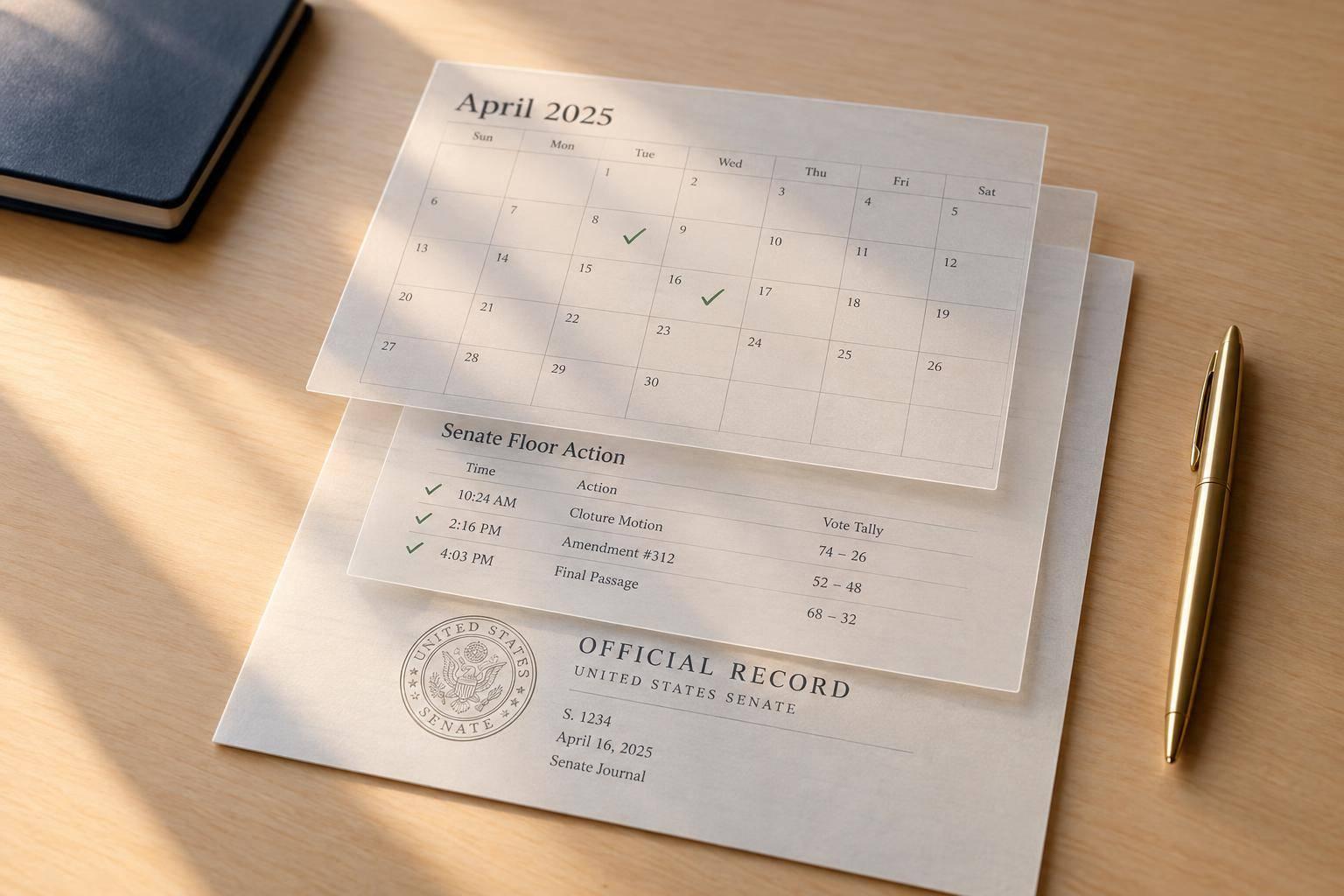
How Daily Floor Schedules Track Senate Action
Verify Senate floor schedules by matching items to calendars, logging timing and votes, and confirming results with official records.
7 min read
Tag
13 articles
Verify Senate floor schedules by matching items to calendars, logging timing and votes, and confirming results with official records.
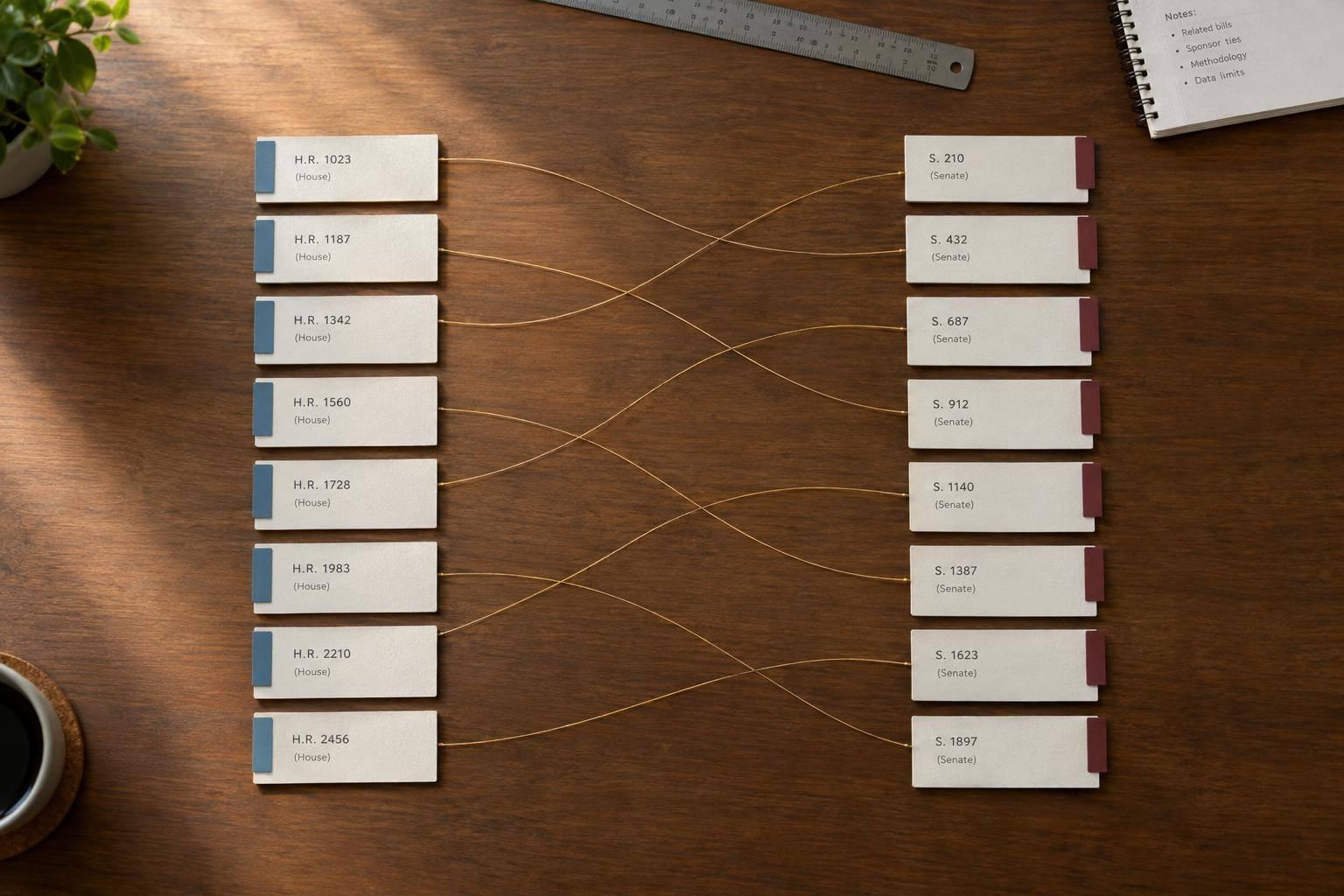
Methods to measure House–Senate companion bill sponsor ties, data limits, and why ties indicate association—not coordination.
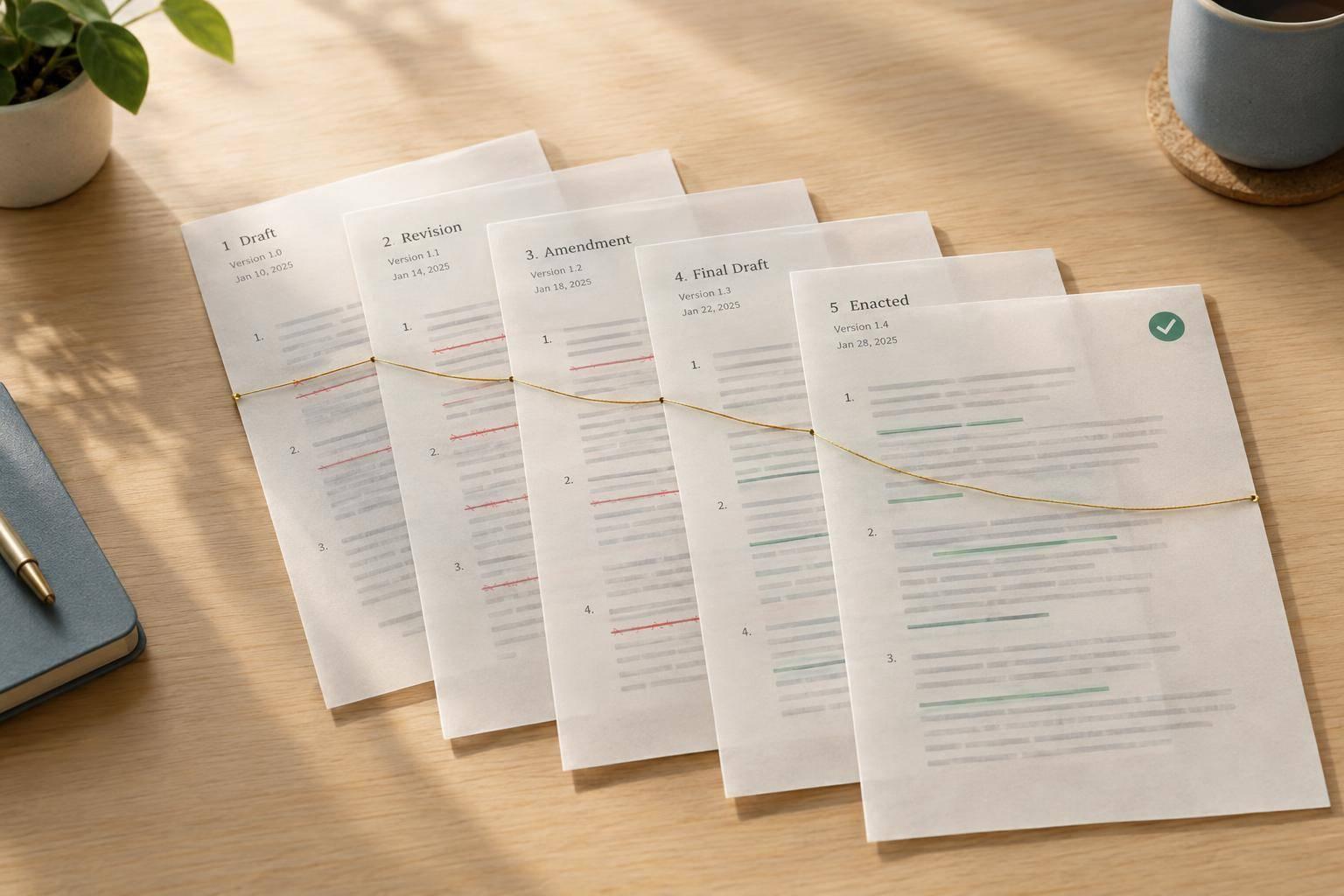
Track bill versions by saving official texts, mapping amendments, comparing wording, and confirming enactment—use AI only for explanations.

Explains how the Byrd Rule limits reconciliation: six tests, jurisdiction and budget-window checks, and how challenges change bills.
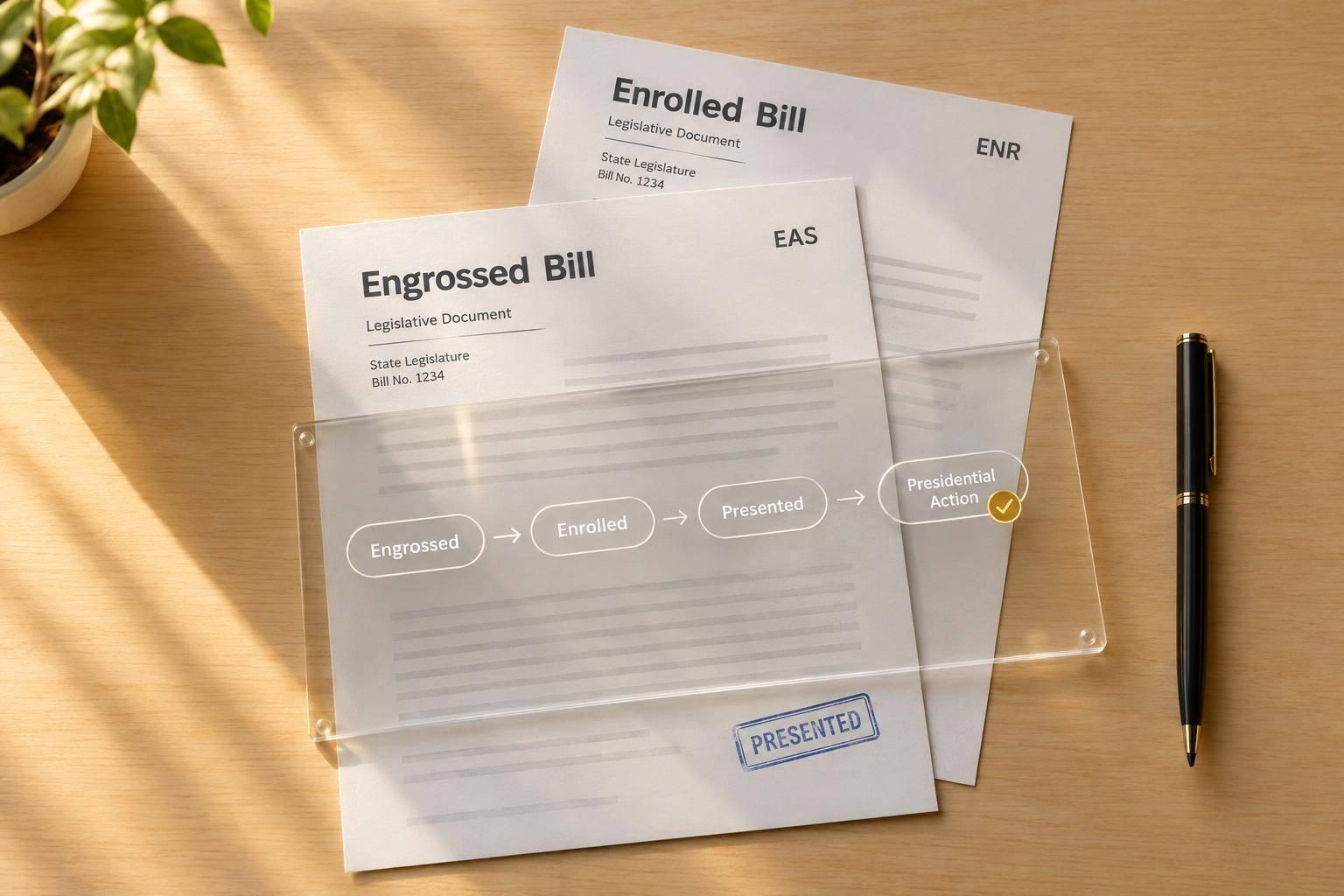
Learn how to distinguish engrossed versus enrolled bill versions, check version codes, and verify presentation and presidential action.
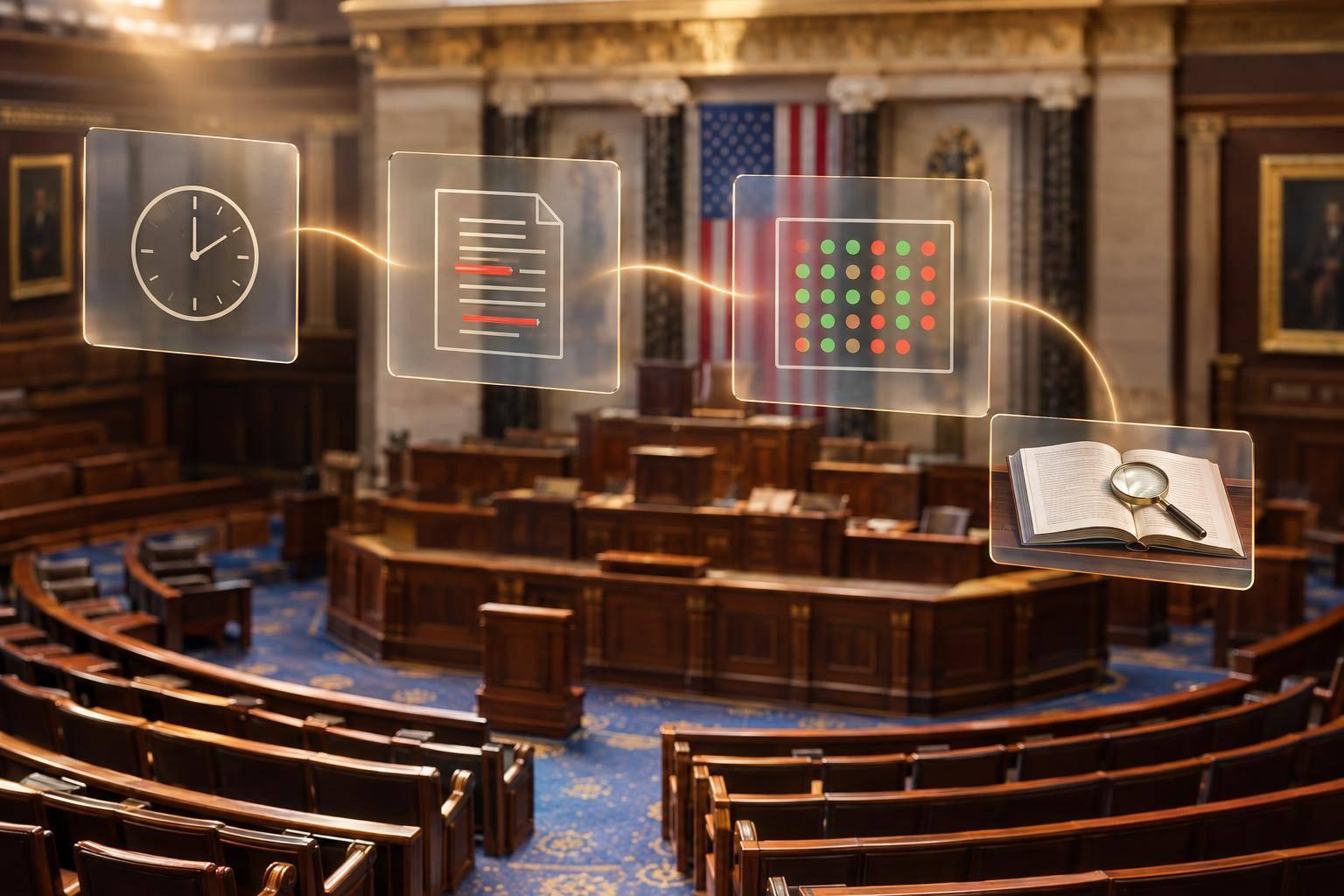
Floor votes, debate limits, and amendments determine if text changes or only advances; always read the vote question and official records.
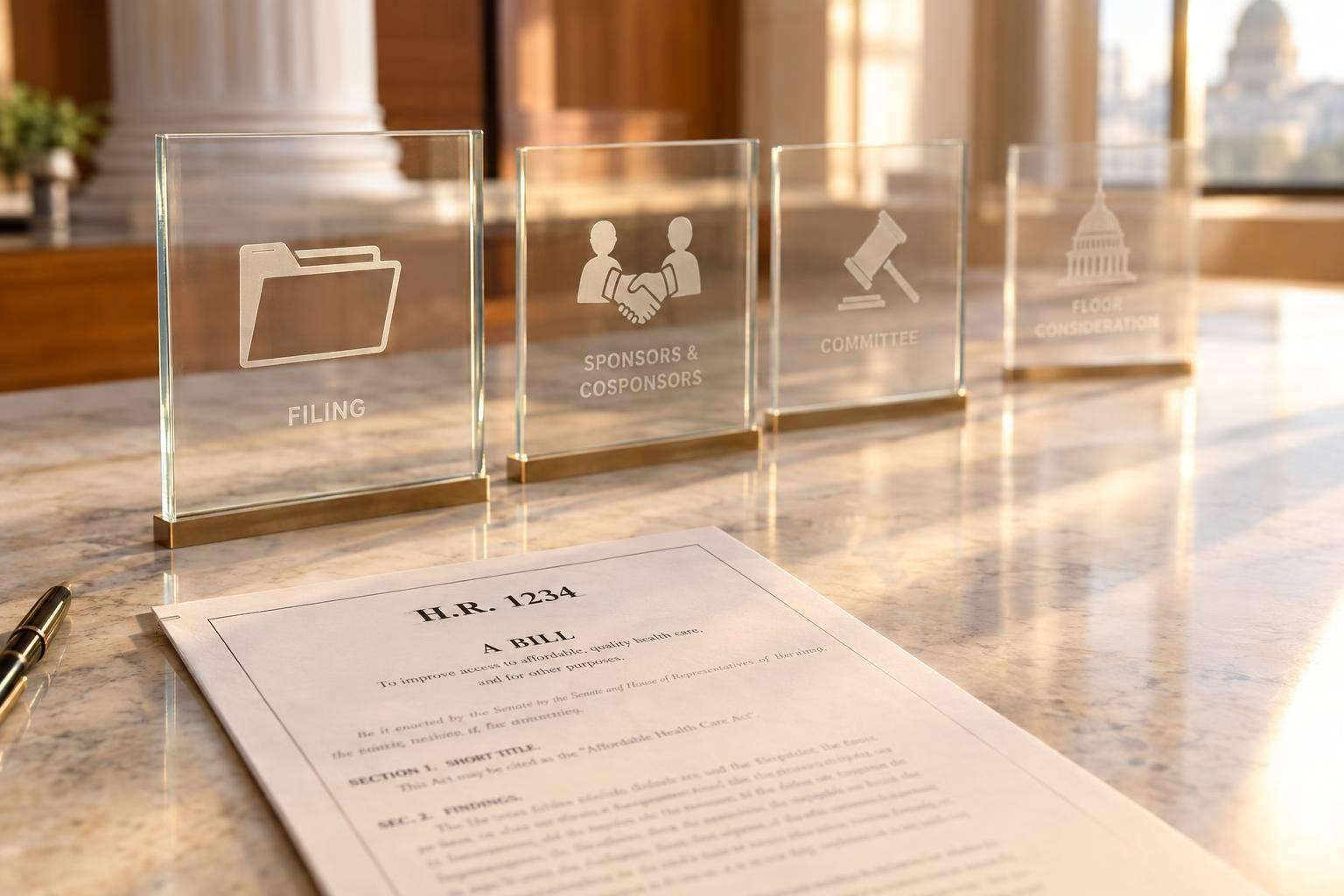
Explains what filing a bill starts, committee referral, sponsors/cosponsors, and why introduction doesn't guarantee a vote or law.
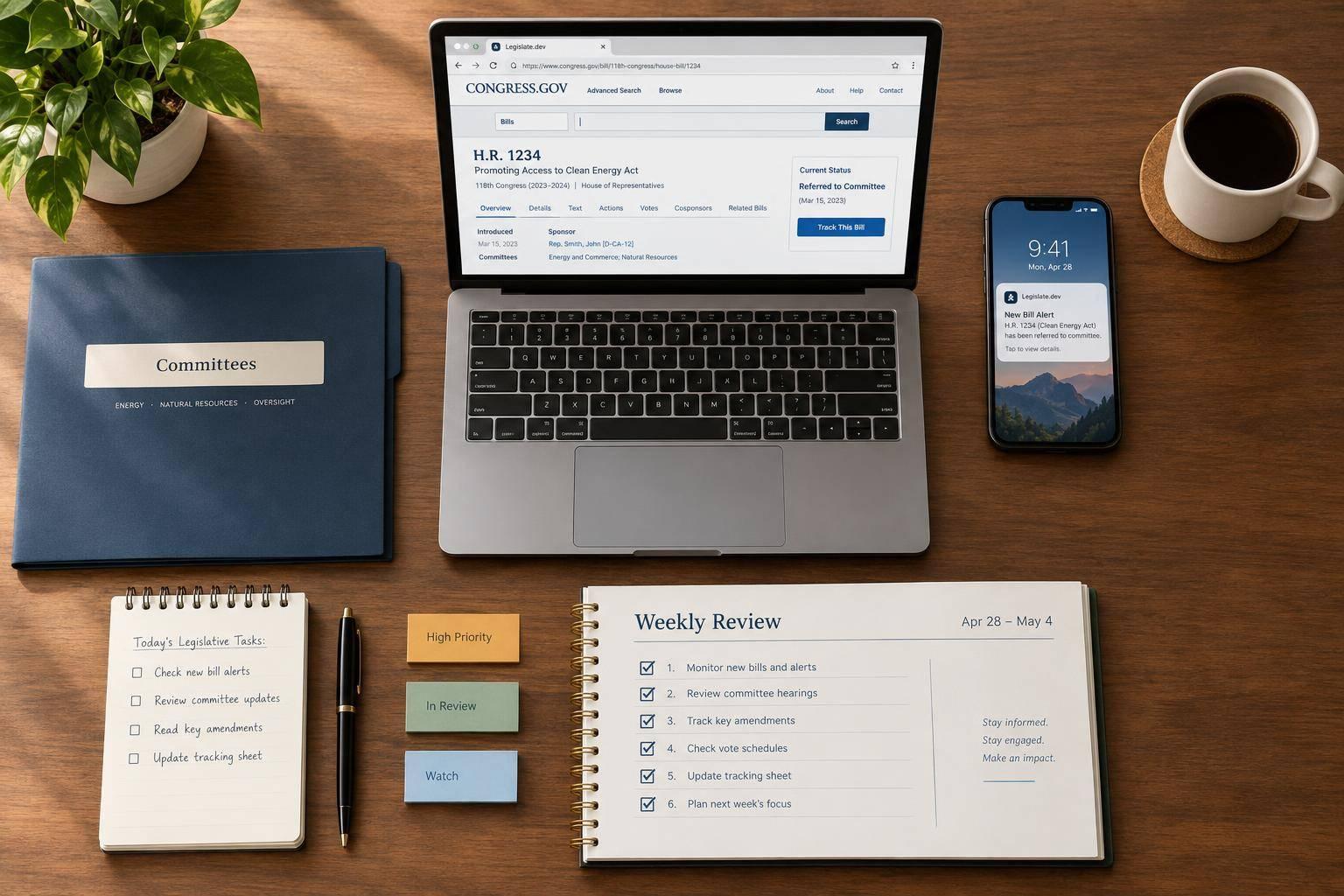
Six practical steps to track bills — use Legislate.dev and Congress.gov, set alerts, follow committees, and review weekly.
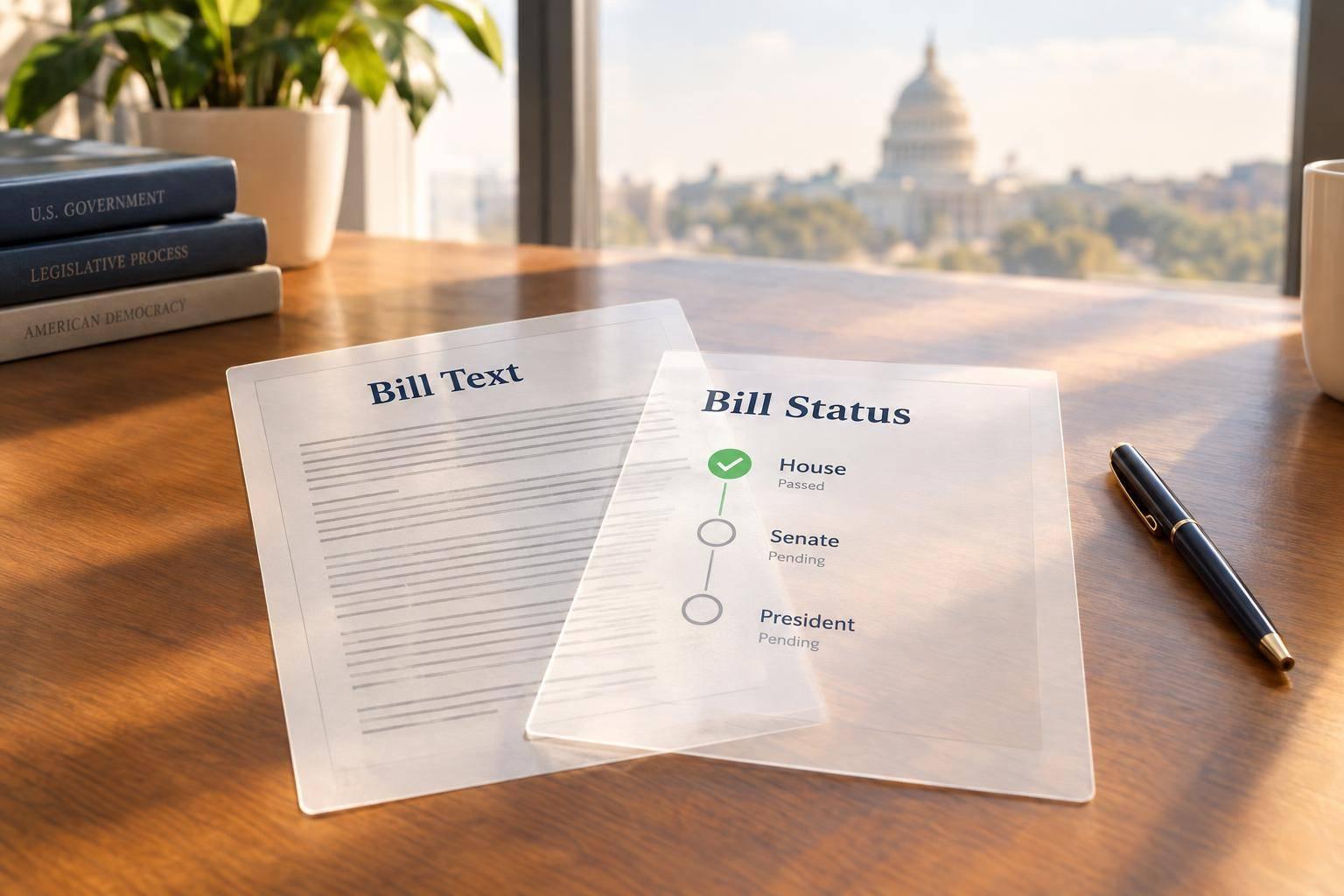
Always read a bill's text and status together - passage in one chamber doesn't make it law.
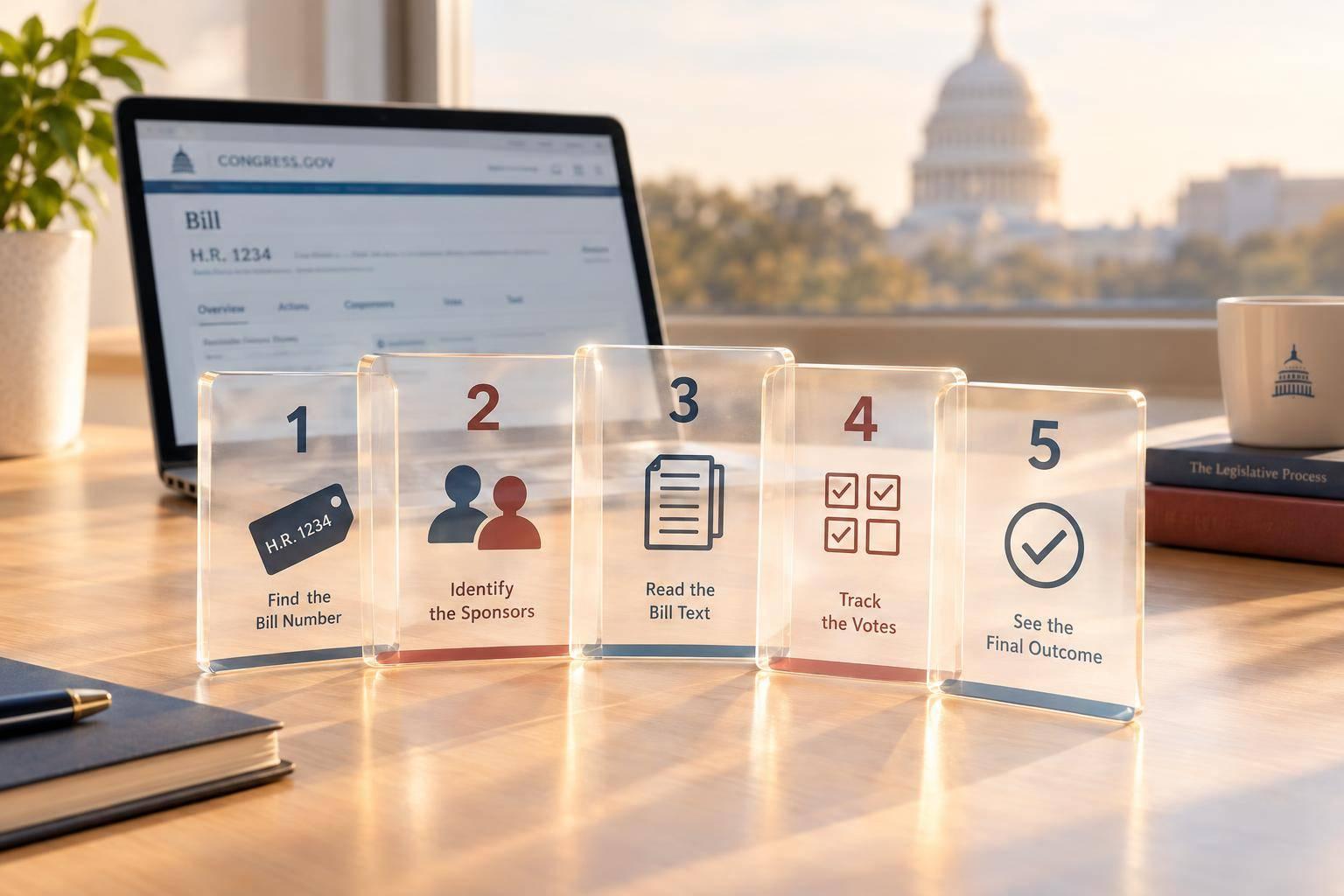
Five-step guide to tracking bills on Congress.gov: find bill number, sponsors, text, votes, and final outcome.
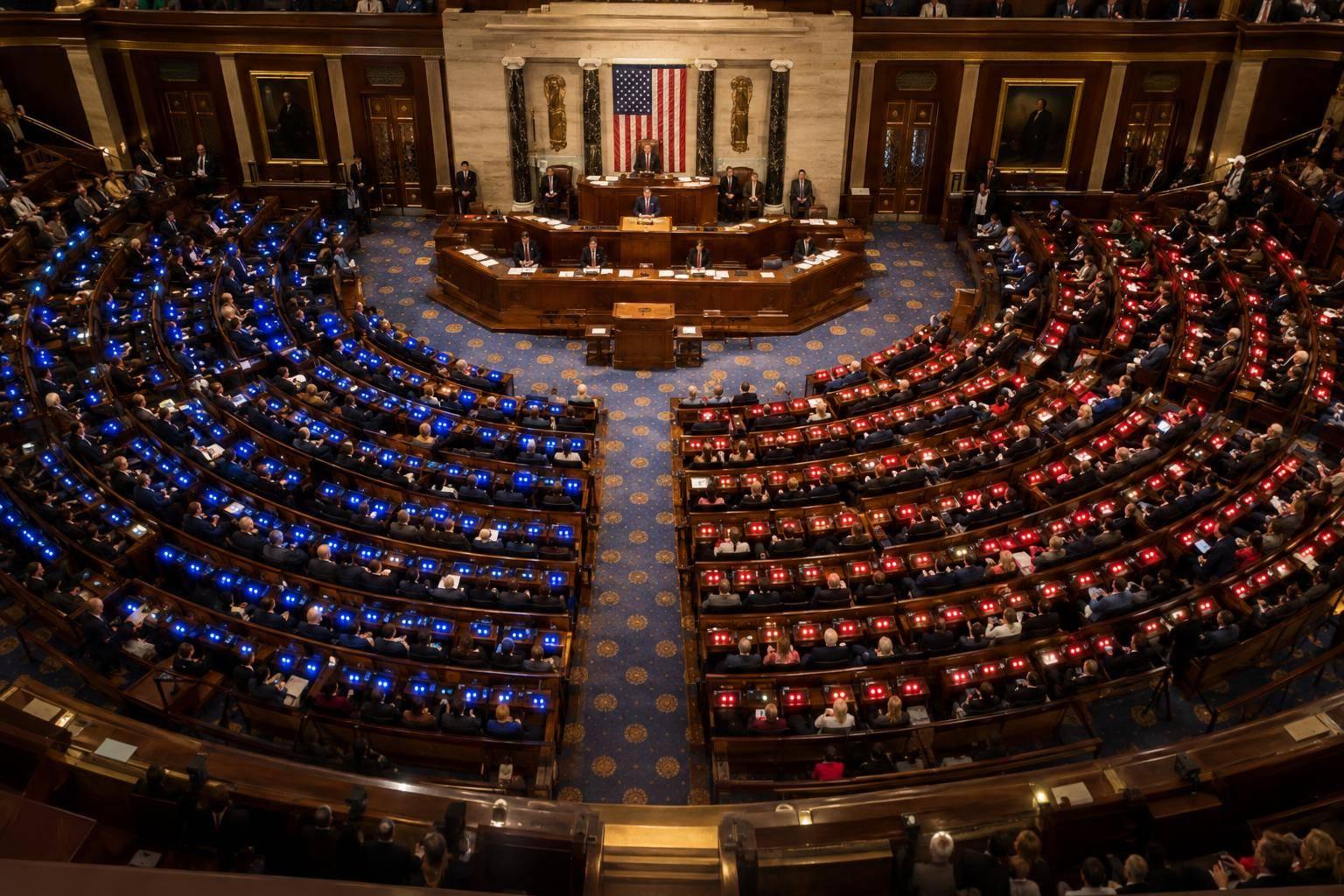
74% of 1,579 roll-call votes split along party lines; this analysis reveals when lawmakers break ranks and why.
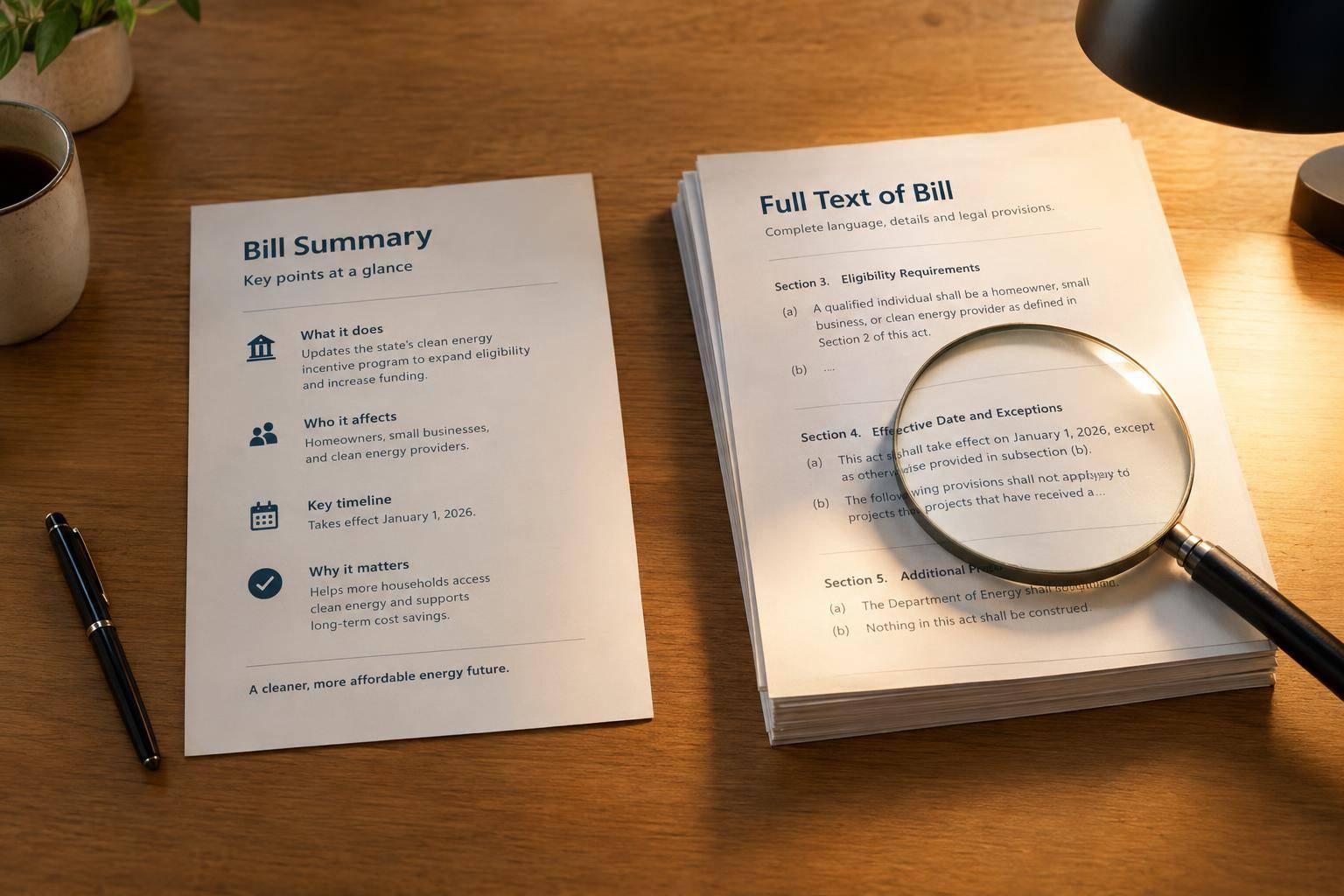
Use summaries to spot relevance, but read the bill’s full text for exact eligibility, exceptions, dates, and funding rules.